
Last updated November 25, 2026
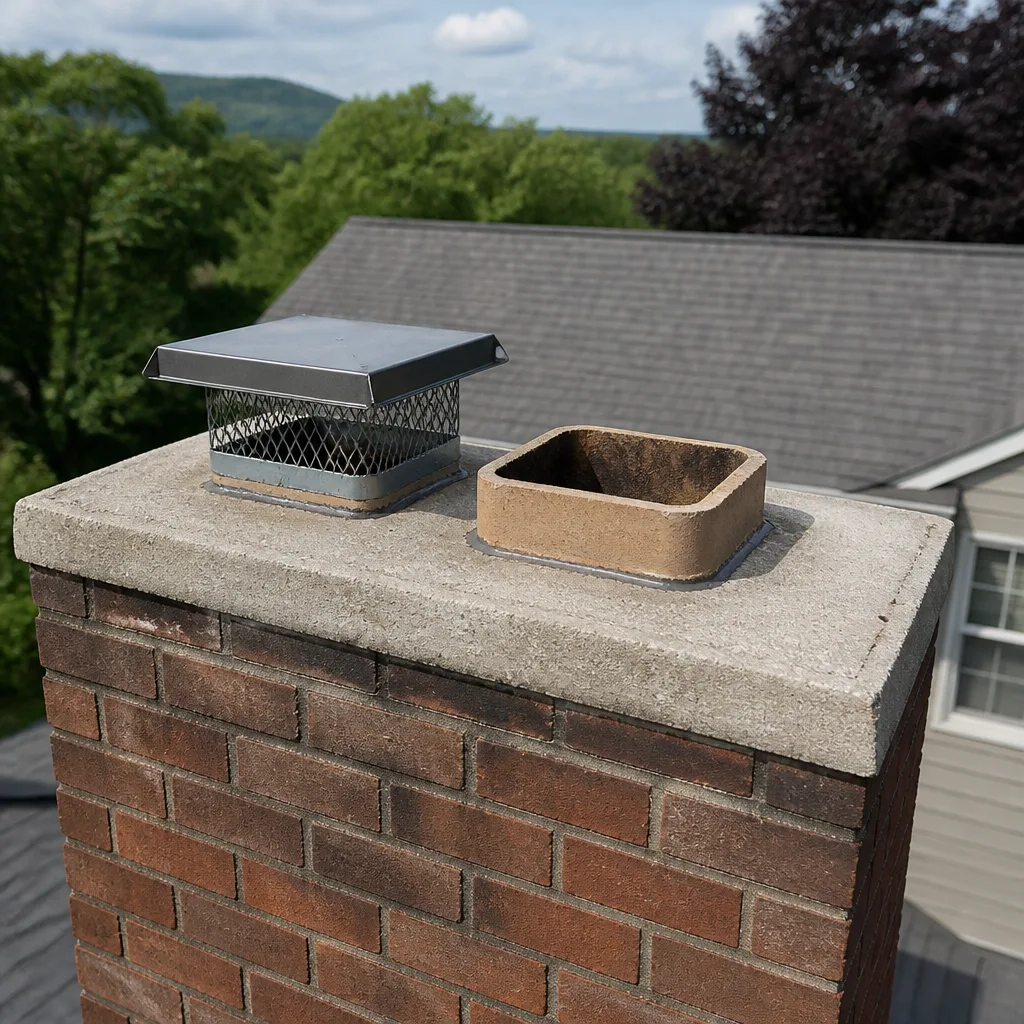 Sweep & inspection
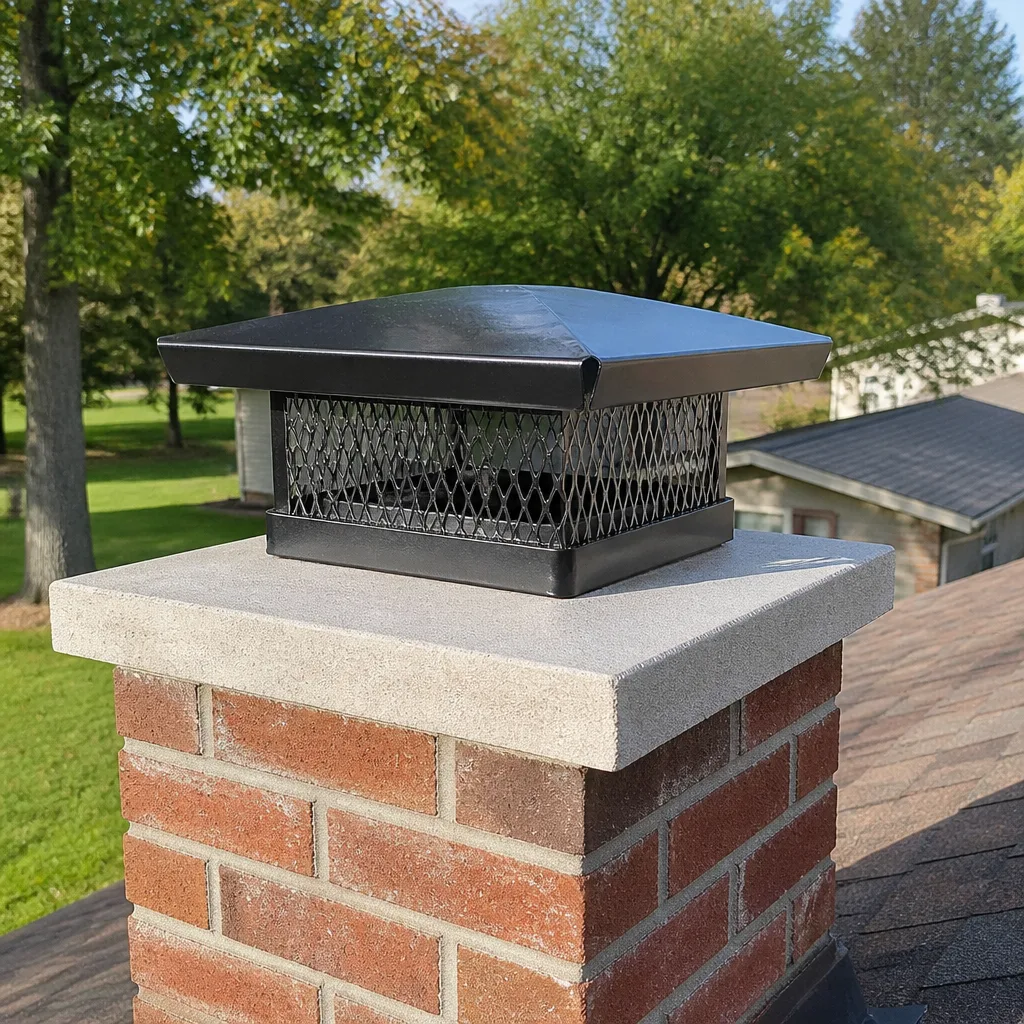 Caps & crowns
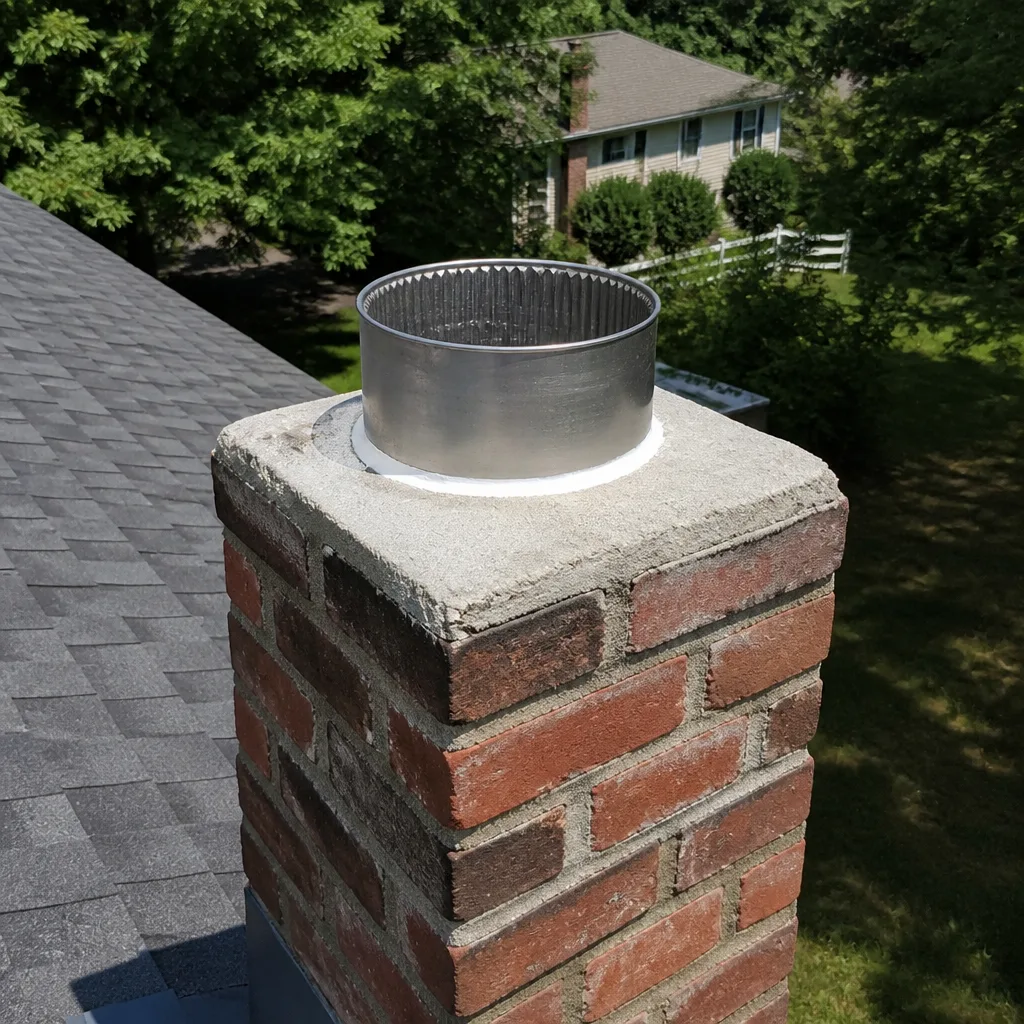 Flue relining
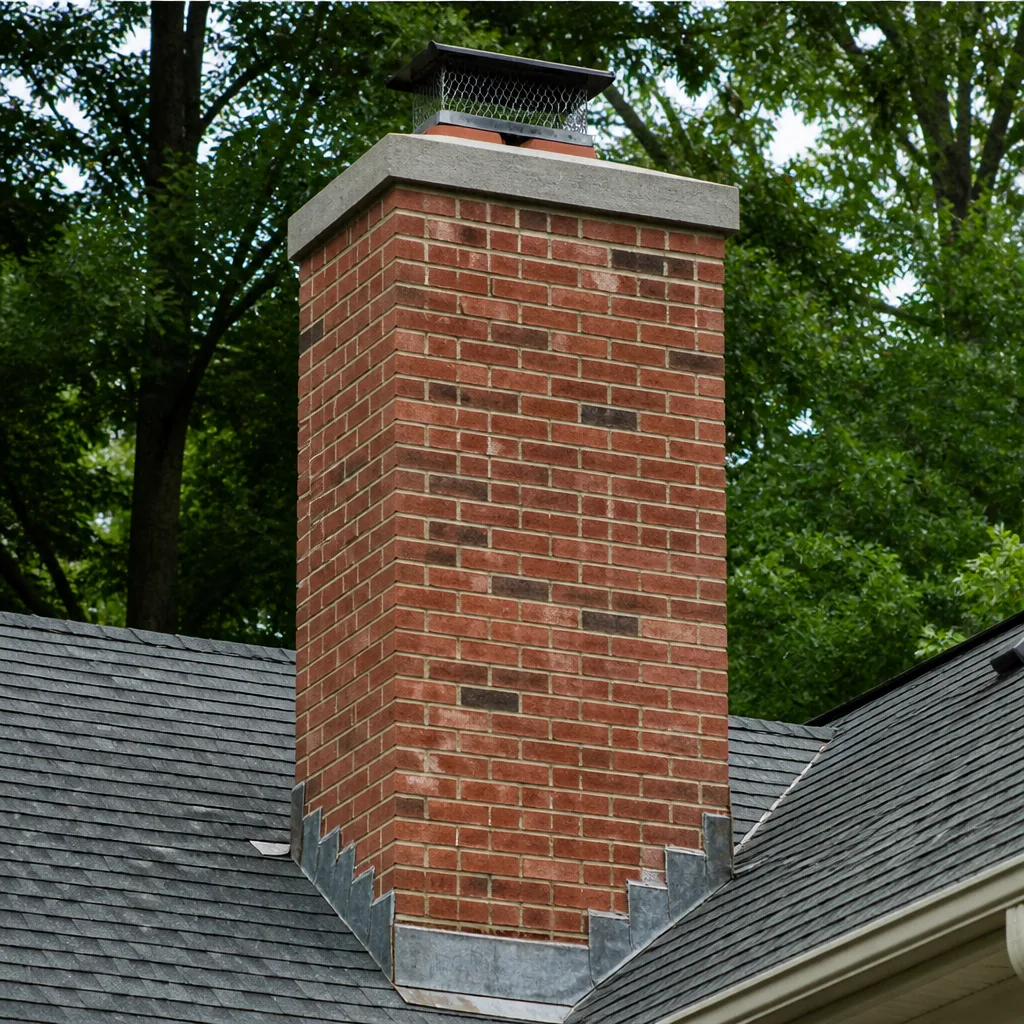 Masonry repair
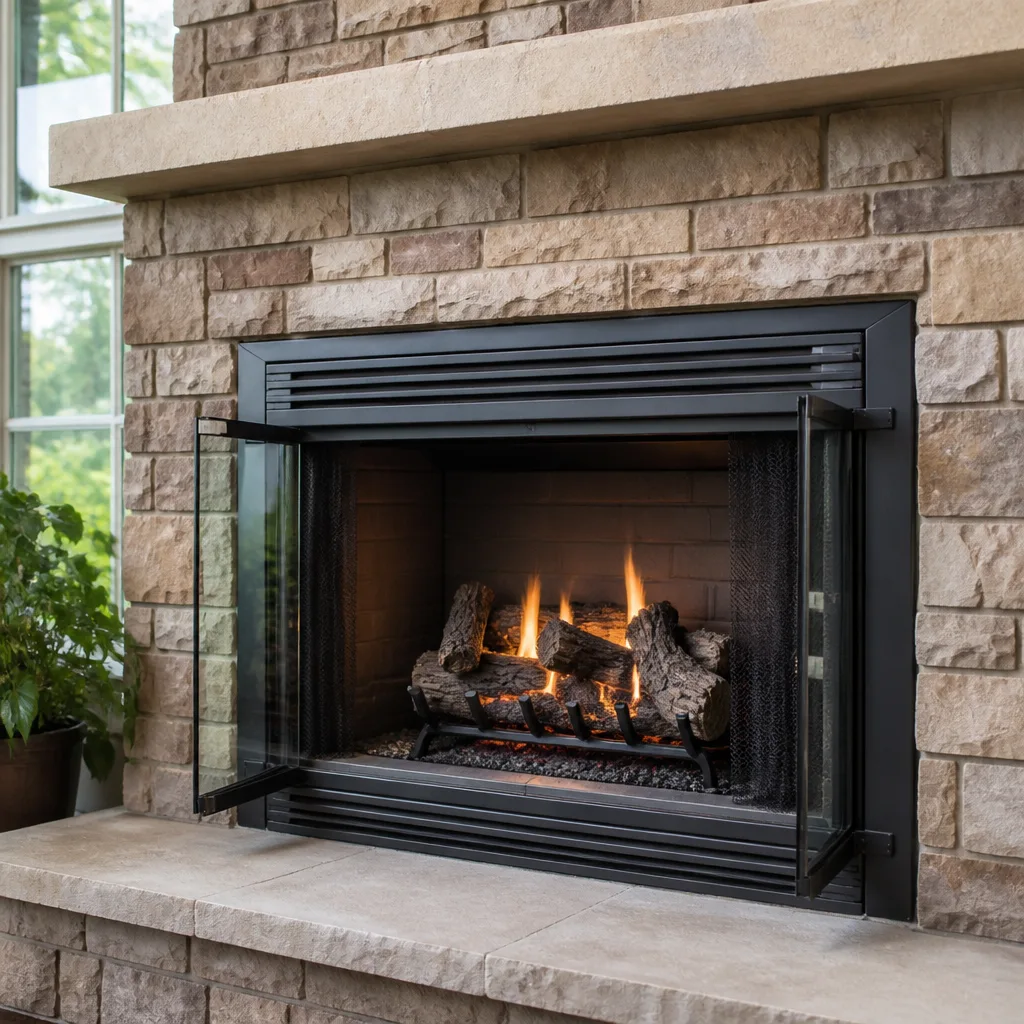 Gas fireplace service
Level 1 sweep and inspection to the NFPA 211 annual standard - flue, crown, cap, and flashing checked and photographed
Chimney sweep logs do not sweep chimneys. They loosen some creosote - which then falls where a brush and vacuum still have to collect it.
Chimney Sweep Maintenance Checklist for Hamilton Lakes Homeowners
The standard advice is to get your chimney swept once a year. That’s true, but it tells you nothing about what to watch for the other 364 days. Some of the most consequential chimney problems, like a cracked flue tile or a failing damper seal, show early symptoms a homeowner can spot long before they become structural. The trouble is that most checklists blend what you can see with what only a trained eye and instruments can verify, so you end up either worrying about things you can’t check or ignoring things you could. This guide splits the job into two clear tracks for Hamilton Lakes homeowners: owner-observable items you handle monthly, and professional-verified items handled once a year. By the end, you’ll know exactly what to look at, what to leave alone, and how to document your chimney so every inspection builds on the last.
Quick Answer
A chimney maintenance checklist for Hamilton Lakes homeowners has two tracks: a monthly walk-around you do yourself (damper operation, visible mortar joints, cap presence, smoke behavior) and an annual professional service that covers what you can’t verify (liner integrity, smoke chamber parging, crown crack assessment, flue obstructions). The homeowner track takes about ten minutes a month. The professional track needs a proper inspection once a year, ideally before the heating season starts.
Styles & brands we work with
- Sweep & inspection
- Caps & crowns
- Flue relining
- Masonry repair
- Gas fireplace service
Table of Contents
- Why a Two-Track Checklist Works Better Than a Single List
- The Owner-Observable Checklist: What You Can Verify Yourself
- Testing Your Damper and Draft Without Lighting a Fire
- The Professional-Verified Checklist: What Requires Instruments and Training
- The Post-Storm Checklist for North Carolina Weather
- Reading Your Brick: What White Staining Actually Tells You
- Building a Season-by-Season Chimney Log
- Common Mistakes to Avoid
Why a Two-Track Checklist Works Better Than a Single List
Most chimney checklists fail because they put the homeowner and the technician on the same page without distinguishing their roles. A list that says “check the flue liner” is useless to someone who doesn’t own a camera and doesn’t know what a deteriorated liner looks like from the inside. A list that says “look at the cap” is beneath the attention of a professional who is going to inspect it properly anyway. Mixing the two tracks creates a fog where nobody is quite sure what has actually been checked.
The better system separates them entirely. One track holds the items a careful homeowner can observe on a regular basis without tools: how the damper opens and closes, whether the masonry shows new cracks, whether the cap is still sitting where it should be, how smoke behaves when a fire is lit. These are the early-warning signals. The other track holds the items that require a trained eye and instruments: the condition of the flue liner interior, the parging on the smoke chamber, the depth and pattern of crown cracks, the presence of hidden obstructions. These are the diagnoses that determine whether a repair is needed.
In our experience in Hamilton Lakes, the homeowners who get the most out of an annual visit are the ones who come with a record. They can say “this crack in the crown mortar looked this wide last year” and a technician can measure whether it has grown. Without that baseline, every visit starts from zero and the only comparison available is against a generic standard rather than against the chimney’s own history. The two-track approach isn’t just about who checks what. It’s about building a comparison over time, so the chimney’s condition is measured against itself rather than against a vague idea of “normal.”
The Owner-Observable Checklist: What You Can Verify Yourself
The monthly walk-around is short. Walk outside, walk inside, open the firebox, look at the damper, and spend a few minutes with each item on the list. In Hamilton Lakes, where homes sit among mature trees and the seasonal swing runs from humid summers into cold winters, the conditions that affect a chimney change faster than most people expect. Late-summer humidity followed by a hard freeze is the pattern that turns a small mortar gap into a visible crack. Catching the small gap in October is far easier than repairing the crack in January.
- Look at the cap from the ground. A chimney cap should sit level and cover the flue opening with clearance on all sides. If it’s tilted, missing a mesh panel, or visibly rusted through, note it. A missing cap is an open invitation for rain, birds, and debris.
- Scan the mortar joints on the exterior. Look for missing mortar, new hairline cracks, and any spot where brick or stone sits proud of the joint beside it. Small losses are routine. Rapidly growing ones are worth a call.
- Check the crown for cracks. The crown is the sloped concrete cap at the very top of a masonry chimney. A single crack isn’t automatically a problem, but a crack that widens, or one where water pools rather than draining, is a water-intrusion path.
- Operate the damper from inside. Open and close it fully. It should move without grinding, and it should close to a seat rather than hanging loose. A damper that won’t close flush lets heated room air escape up the flue when the fireplace is idle.
- Look for rust on the firebox and damper frame. Rust is a sign of moisture where moisture shouldn’t be. It can come from a failed cap, a leaking crown, or water that has found a path down the flue.
- Watch how a fire behaves. If smoke rolls out into the room instead of drawing up, if the fire is hard to start on a day that isn’t windy, or if you smell smoke in a room away from the fireplace, those are draft signals worth recording.
- Note debris in the firebox. Small flakes of creosote or mortar grit are normal. A sudden increase in debris, or pieces that look like tile shards, means the flue interior needs a look.
None of these require climbing on the roof, and we’d rather you didn’t. A ground-level look with binoculars covers most exterior observations. What you’re doing monthly is spotting change, not making repairs. When something on the list looks different from last month, write it down and let it inform the next professional visit. For the routine cleaning side of the annual service, see our chimney sweep page.
Testing Your Damper and Draft Without Lighting a Fire
You can test whether your chimney wants to draw air before you commit to building a fire, and you can do it with nothing more than a lit incense stick or a smoke pencil. This is one of the most useful homeowner checks on the whole list, because it separates a chimney that’s ready to burn from one that will push smoke into the room, and it does it without a flame, a matchbox, or a mess.
- Open the damper fully. Confirm it opens without resistance and stays open under its own weight. If it closes on its own, that’s a signal worth recording.
- Check for a cold plug. In cold weather, open the damper and wait a few minutes before testing. A cold flue can act as a plug for the first several minutes until the flue warms up. If you test immediately after a cold snap, you may read a false negative.
- Hold the incense or smoke pencil inside the firebox. Keep it near the damper opening, below the flue. The smoke should drift upward and into the flue. If it stalls, curls back into the room, or drifts sideways, the chimney isn’t drawing cleanly at that moment.
- Test on a still day and a windy day. A chimney that fails on a still day often has a plugged or undersized flue. One that fails only on a windy day may have a draft issue tied to the cap or to the pressure dynamics around the top of the chimney. Different problems, different fixes.
- Test with a window cracked in the same room. Some homes are tight enough that a fire competes with other exhaust appliances for makeup air. If the smoke test passes with a window cracked and fails without, the chimney may not be the whole story.
What you’re looking for is a clean upward draw. If the smoke drifts upward and disappears into the flue, the damper is working and the flue is open. If it hesitates, rolls back, or stalls, write down what you saw and the weather conditions, and flag it for the next professional visit. A draft test isn’t a substitute for a real inspection, but a failing draft test is a good reason to get one scheduled. Draft and flow problems often come down to component condition, and that’s where professional-grade venting parts like Famco and Copperfield have a role to play.
The Professional-Verified Checklist: What Requires Instruments and Training
Some of the chimney is simply not visible to the homeowner, no matter how careful you are. The interior of the flue, the smoke chamber above the damper, the hidden crown-brick interface, and the underside of the cap all require a camera, a light, a ladder, and a trained eye to read. Our technicians have up to 11 years of experience, and the difference between a trained read and a homeowner’s guess shows up most in this part of the list.
- Flue liner integrity. A video scan is the only way to see the liner’s full length. Cracks, gaps at the tile joints, spalling, and missing pieces show up clearly on camera. Everything downstream depends on this finding.
- Smoke chamber parging. The smoke chamber sits above the damper and below the flue. Its walls should be smooth enough that smoke and creosote can’t catch in the corrugations. Rough parging catches creosote and slows the draft. HeatShield is one of the materials used to resurface this area and smooth out the flow path.
- Crown crack assessment. A technician measures crack width and depth and traces where the water goes. A shallow surface crack and a crack that reaches the flue are two different problems with two different solutions.
- Flue obstruction and nesting check. Even with a cap in place, small debris and animal activity can build up inside. A camera scan settles the question.
- Creosote condition and glaze. Creosote has stages, and the later stages are harder to remove and carry a higher risk. A sweep tells you where you stand and what the next cleaning interval should be.
- Draft measurement under controlled conditions. Professional instruments confirm whether the chimney is sized and drawing properly for the appliance it serves, which matters for gas and factory-built systems as much as for masonry.
The value of this track isn’t just the list. It’s that findings from an inspection feed directly into repair recommendations from the same team. There’s no hand-off to a second company and no waiting for a separate appointment to hear what the camera showed. If a crack in the crown is the issue, chimney cap & crown work can be scoped on the spot. If the liner is compromised, DuraFlex and Olympia Chimney components are the kinds of professional-grade materials a technician can specify and quote without a return visit.
The Post-Storm Checklist for North Carolina Weather
Hamilton Lakes weather does a specific kind of work on a chimney. Freeze-thaw cycles push moisture into masonry joints and expand it overnight. Wind-driven rain finds every failed seal and lands where it shouldn’t. Ice loads on a cap or crown can loosen components the rest of the year would leave alone. A post-storm walk-around catches the damage while it’s small and cheap to fix.
Run this checklist within a day or two after a significant storm, and again once after the first hard freeze of the season:
- Look at the cap first. A wind gust can tilt or dislodge a cap. If it’s off-center, tilted, or missing mesh, it needs attention before the next rain.
- Scan the crown from a distance. Freeze-thaw widens existing cracks. A crown crack that was a hairline last month can be visibly wider after a freeze. Photograph it from the ground for your log.
- Check for ice on the cap and crown. Ice load is a real problem here. If ice is hanging from the cap or has formed a wedge in a crown crack, don’t knock it off yourself. Note it and get it looked at.
- Inspect the exterior masonry for new spalling. Spalling is when the face of a brick flakes off. It happens when moisture freezes behind the surface. New spalling after a freeze is a water-intrusion signal, not an aging signal.
- Check inside for water. Look at the firebox floor after heavy rain. A wet firebox floor is a sign water got past the crown, the cap, or the flashing at the roofline.
- Watch for white staining on the brick. See the next section on efflorescence. New white staining after a rainy stretch is a specific signal about moisture moving through the masonry.
- Note any change in smoke behavior. A chimney that drew cleanly before the storm and hesitates after is a chimney that changed. Often the change is a shifted cap or debris that found its way in.
The pattern to be honest about is that masonry damage in this climate is cumulative. One winter crack is small. Two winters of freeze-thaw on the same unfixed crack is a repair. The post-storm checklist exists to catch the winter-one version, not the winter-three version. If a walk-around after a storm turns up anything you can’t explain, get an inspection scheduled while the evidence is fresh.
Reading Your Brick: What White Staining Actually Tells You
White staining on brick is called efflorescence, and it means exactly one thing: water has been migrating through the masonry and has deposited salts on the surface as it dried. It is not mold, it is not a surface cosmetic issue, and it is not something to scrub off and forget. The white stain is the visible end of a moisture path you cannot see, and the path is the problem.
Efflorescence on a chimney in Hamilton Lakes is common after a long rainy stretch or after the first freeze-thaw cycle of the year. The water that carries the salts is coming from somewhere. Typical paths are a failed crown, a missing or damaged cap, failed flashing at the roofline, or a mortar joint that has opened up enough to let water in behind the brick face. A single patch of efflorescence after heavy rain isn’t a crisis. Efflorescence that returns after every wet stretch, or one that grows visibly each season, is pointing at an active intrusion.
What you should not do is seal the brick face to “solve” it. A surface sealer on efflorescing brick traps the moisture behind it and pushes the failure deeper into the wall, where it eventually shows up as spalling brick and failing mortar. The right fix is to find and repair the source of the water, then let the masonry dry out. The wrong fix is to paint over the symptom. If you see white staining on your chimney, note where it is, how large it is, and whether it returns to the same place after rain. That pattern is the diagnostic clue a technician needs, and it’s the kind of observation that’s much more useful than a photo of the stain alone.
Building a Season-by-Season Chimney Log
A chimney log turns every annual inspection from a first look into a comparison. Instead of a technician asking “how long has this crack been here,” you can answer with a date. That one shift is worth more than most homeowners realize, because chimney condition is a trend, not a snapshot. A log that spans three or four seasons lets a technician distinguish normal aging from accelerated deterioration, and it lets you decide when spending makes sense versus when it can wait.
You don’t need a binder. A phone note and a folder of photos does the job. What matters is consistency: same angle, same framing, same lighting conditions where possible.
- Date every entry. A photo without a date is nearly useless. A photo with a date three years back is a baseline.
- Photograph four fixed views. The cap from the ground, the crown from the ground, each side of the exterior masonry that’s visible, and the firebox interior with the damper open. Use the same four angles every season.
- Record the drift test result. Note whether the incense smoke drew cleanly, stalled, or rolled back, and note the weather that day. A drift failure on a still day reads differently than one on a windy day.
- Write a one-line condition note. “Crown crack visible from east side, roughly 1/8 inch, no change from spring” is enough. You’re not writing a report; you’re establishing a comparison point.
- Note any change in smell or smoke behavior. Odor in the firebox when no fire is lit, smoke smell in rooms away from the fireplace, or a fire that’s suddenly harder to start are all worth a sentence.
- Keep professional reports alongside your photos. When a technician hands you an inspection finding, file it with the date. Next season, that finding is the comparison baseline.
This is the practice that makes the annual visit worth more. When we look at a chimney in Hamilton Lakes, the difference between a first-year inspection and a fifth-year one is the record. If you’ve been keeping a log, you’ll know whether a finding is new or has been quietly present for two years. And when the fireplace repair or liner decision comes up, you’ll have the evidence to make a confident call rather than a reactive one. For general context on how a professional sweep fits into the yearly rhythm, see our main Chimney Sweep Hamilton Lakes overview.
Common Mistakes to Avoid
- Burning unseasoned wood to save money. Wet wood creates more creosote and burns inefficiently, which is the opposite of what you wanted when you saved on the cord. Season your wood properly and store it dry.
- Cleaning the chimney with a “one-size” brush from the hardware store. Chimney brushes are sized to the flue. A brush that’s too small misses the corners; one that’s too large can damage the liner. Both mistakes show up in the camera scan.
- Sealing brick to “hide” white staining. Efflorescence is a symptom, not a stain. Sealing it traps the moisture and accelerates the damage behind the face. Find the water path instead.
- Skipping the post-freeze walk-around. Hamilton Lakes freeze-thaw cycles do a lot of work in a single night. A crown crack that was a hairline in November is visibly wider in January. A five-minute walk-around after the first hard freeze catches the change while it’s still small.
- Assuming a cap is fine because it’s still on. A cap that has shifted two inches off-center, lost a mesh panel, or rusted through the top still counts as “on the chimney” but no longer does its job. Check it, don’t assume it.
- Relying on the same company for sweeping and a different one for repairs. The hand-off between two companies is where findings get lost. A thorough sweep and the repair decision it triggers should come from the same inspection, and that’s how we work.
- Trusting a “clean bill of health” with no camera scan. The interior of a flue can’t be judged from the firebox floor. A visual check is not the same as a camera inspection, and only one of them catches a cracked flue tile before it’s a bigger issue.
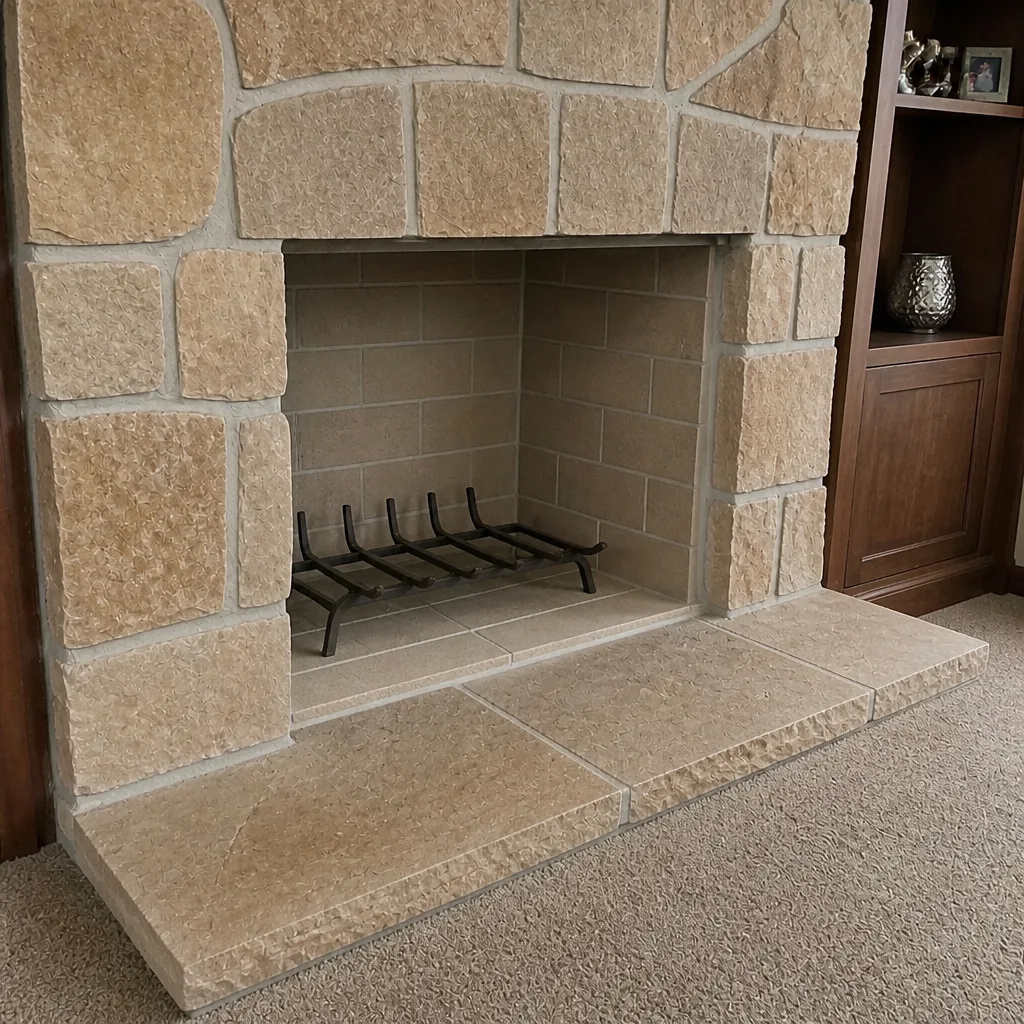
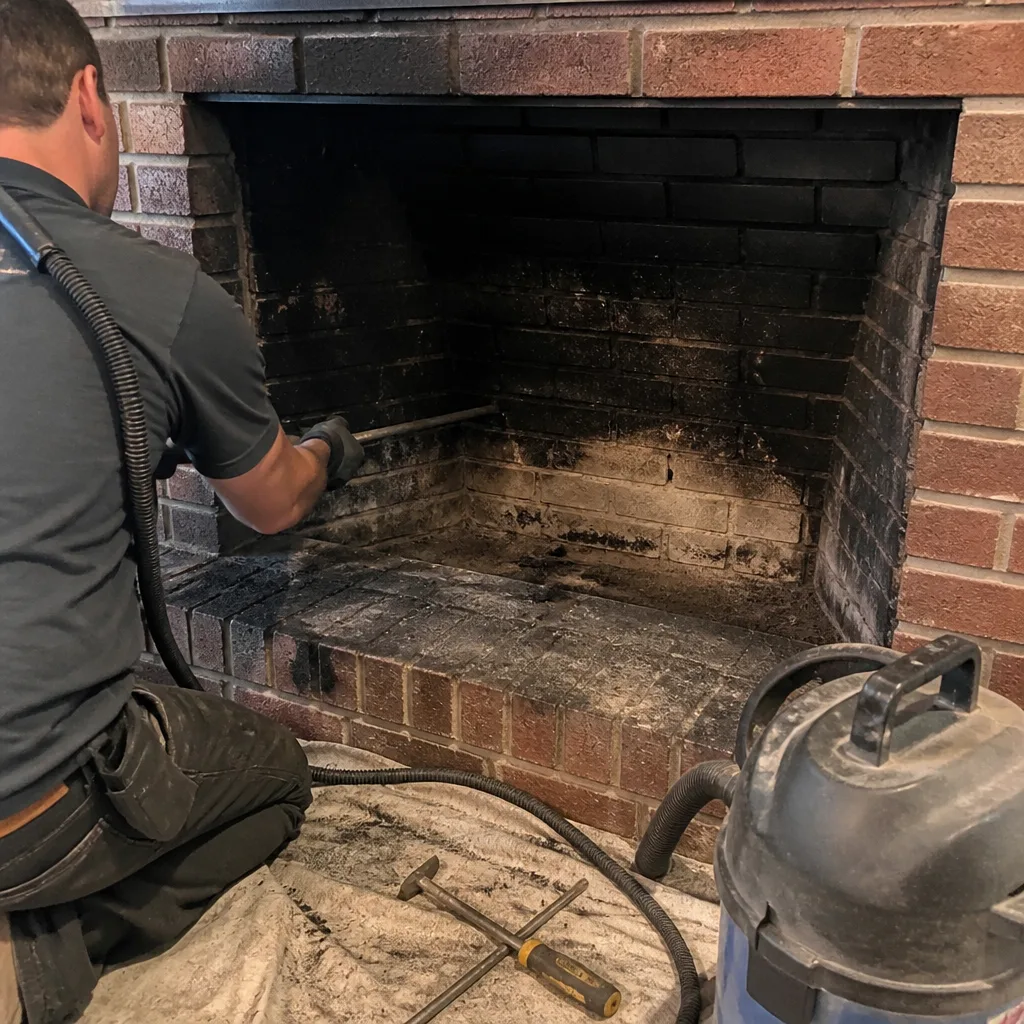
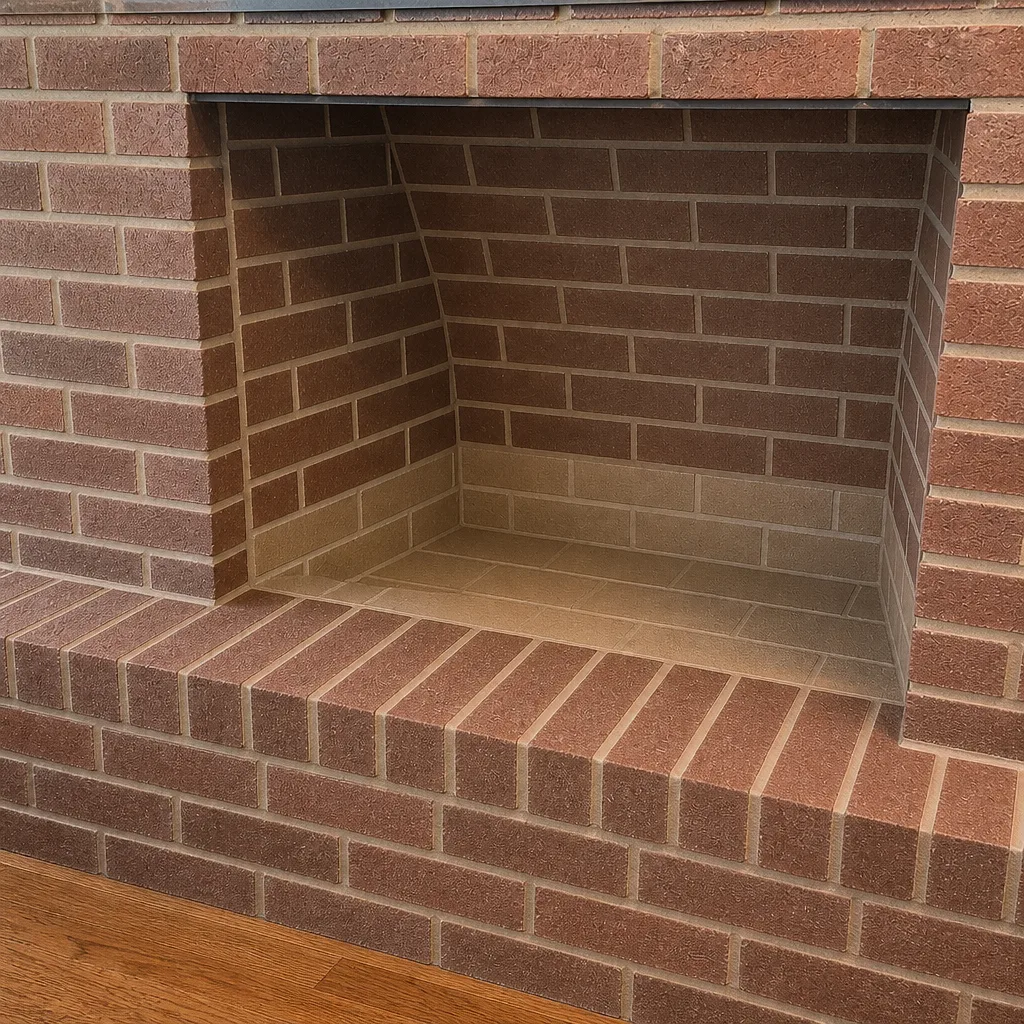
See the difference
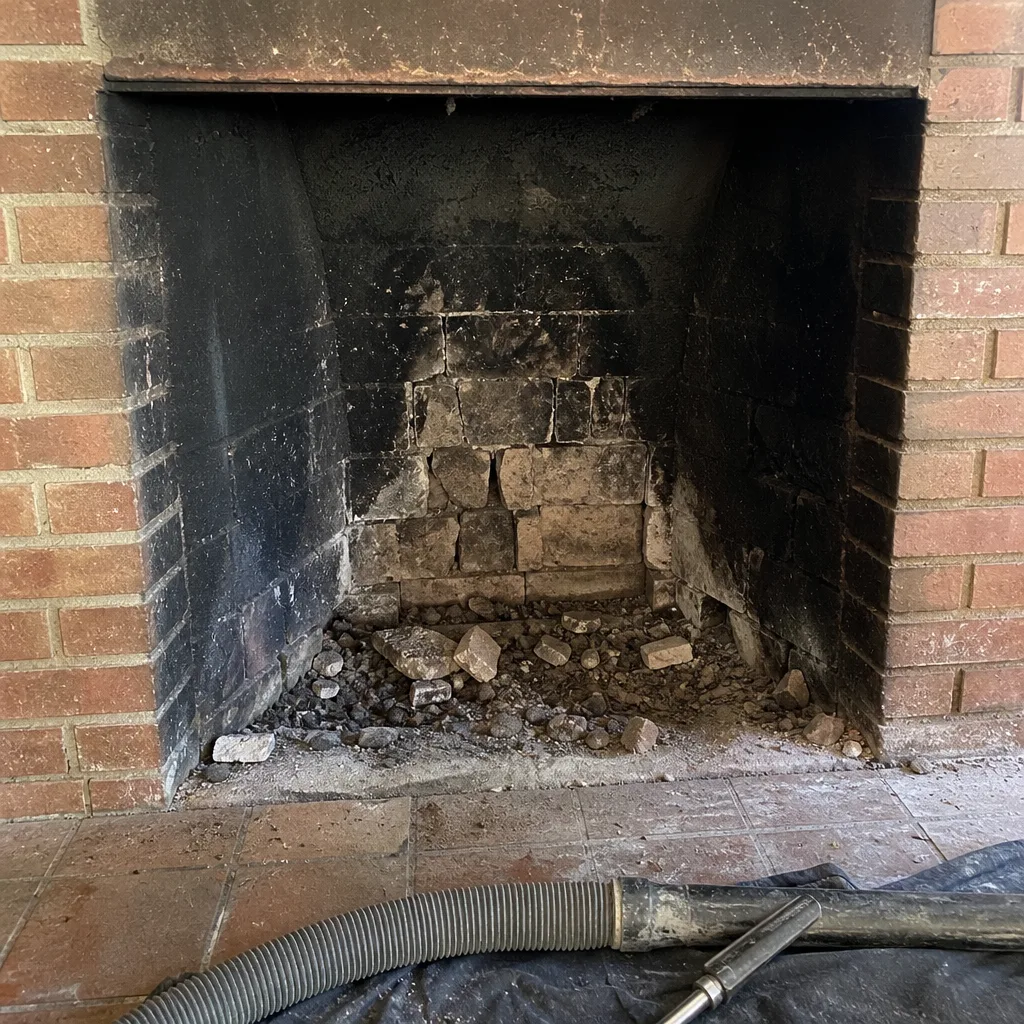 Before
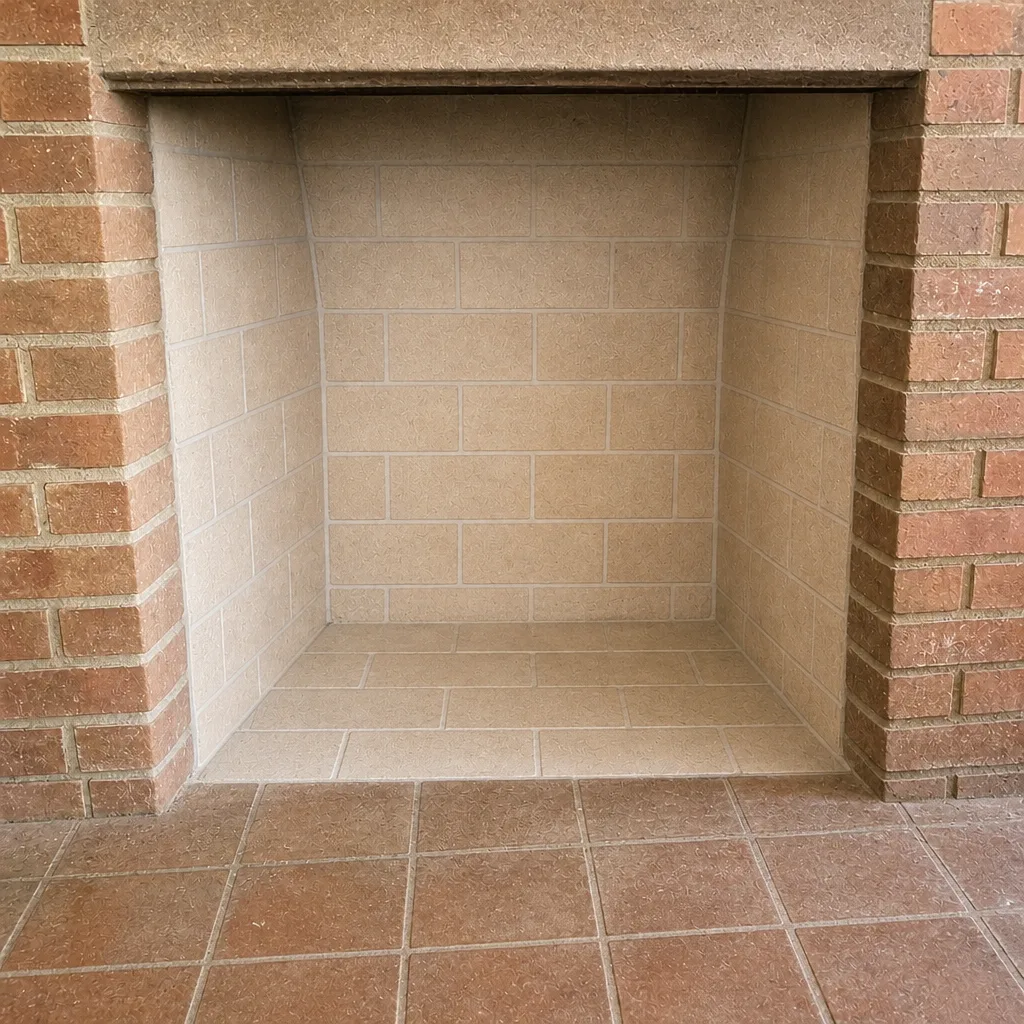 After
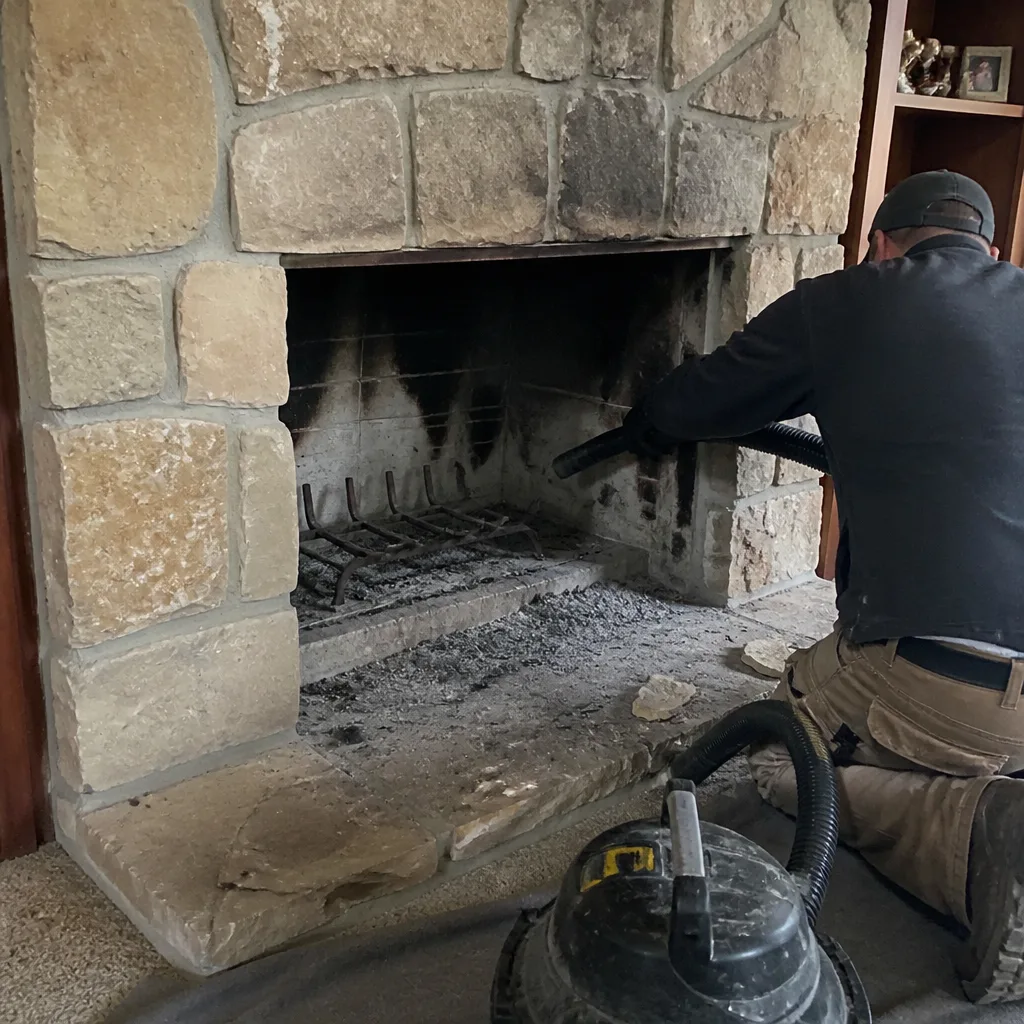 Before
 After
 Before
 After
When to Call a Professional
Bring in a trained technician when the checklist turns up any of the following: a drift test that fails, smoke rolling out of the firebox, new white staining that returns after rain, a crown crack that has visibly widened, a cap that’s shifted or rusted, or spalled brick that wasn’t there last season. Schedule the annual professional service once a year regardless of what you see, ideally before the heating season begins. If your annual visit is due and you’re in Hamilton Lakes, call us at (855) 766-2824 to get it on the books. We answer 24/7, fast dispatch from 7am to 7pm, Sunday through Friday. Chimney Sweep Hamilton Lakes offers free estimates in Hamilton Lakes, and the price is set per job by the written estimate.
Frequently Asked Questions
Once a year for both. A yearly sweep and a Level I inspection cover the standard maintenance need for a wood-burning fireplace in seasonal use. If you have a gas insert or factory-built system, the same annual cadence applies, though the inspection emphasis shifts toward venting and component condition. If your wood use is heavy or you’ve dealt with a prior draft issue, a technician may recommend a shorter interval. Call (855) 766-2824 for an exact quote on scheduling your annual visit, and estimates are free.
Efflorescence is a white salt deposit left on the brick face when water migrates through the masonry and dries at the surface. It means water is moving through the chimney from somewhere it shouldn’t, typically a failed crown, cap, or mortar joint. It is not a cosmetic stain, and it should not be sealed over, because sealing traps the moisture and accelerates the damage. The fix is to find and repair the water path and let the masonry dry out.
Yes, with an incense stick or a smoke pencil held inside the firebox near the damper opening. Open the damper fully, wait a few minutes in cold weather, and watch whether the smoke draws upward and into the flue or stalls and rolls back into the room. Test on a still day and a windy day separately, because the two results point at different problems. A failed test is a good reason to get a professional inspection.
Flue liner integrity via camera scan, smoke chamber parging condition, crown crack depth and water path, hidden obstructions and nesting, creosote stage and glaze, and draft measurement under controlled conditions. Each of these requires instruments and training to read reliably. The professional track is what turns a checklist of observations into a diagnosis and a repair plan.
Do a post-storm walk-around within a day or two. Check the cap for shift or loss, the crown for new cracking, the exterior masonry for new spalling, and the firebox floor for water after heavy rain. Also check for ice on the cap and crown after a freeze, and photograph anything that looks different from your last entry. New white staining after a wet stretch counts as a finding. Call (855) 766-2824 for an exact quote on scheduling a post-storm inspection, and estimates are free.
Get a camera inspection. The interior of a flue is not visible from the firebox, and it’s not a problem to diagnose from the outside. A camera scan tells you exactly what the liner looks like and whether it needs repair. If the finding turns out to be a resurfacing candidate rather than a full replacement, HeatShield qualification matters because a resurfaced liner can extend the life of the existing flue without mandatory liner replacement. Call (855) 766-2824 for an exact quote on a camera inspection, and estimates are free.
The Bottom Line
The two-track system is the whole idea: monthly owner-observable items catch change early, and once-a-year professional-verified items catch what you can’t see. Run the owner track on a ten-minute cadence, keep a documented season-by-season log with dates and photos, and treat the post-storm walk-around as its own separate pass. When something on the checklist turns up, call before the next heating season, not after. If you’re in Hamilton Lakes and due for the annual track, we can handle the sweep, the inspection, and the repair decision from a single visit, with professional-grade materials and a written estimate before any work begins. Written by the team at Chimney Sweep Hamilton Lakes.
Call (855) 766-2824 for a free estimate. We answer 24/7. Fast dispatch from 7am to 7pm, Sunday through Friday.