
Last updated November 25, 2026
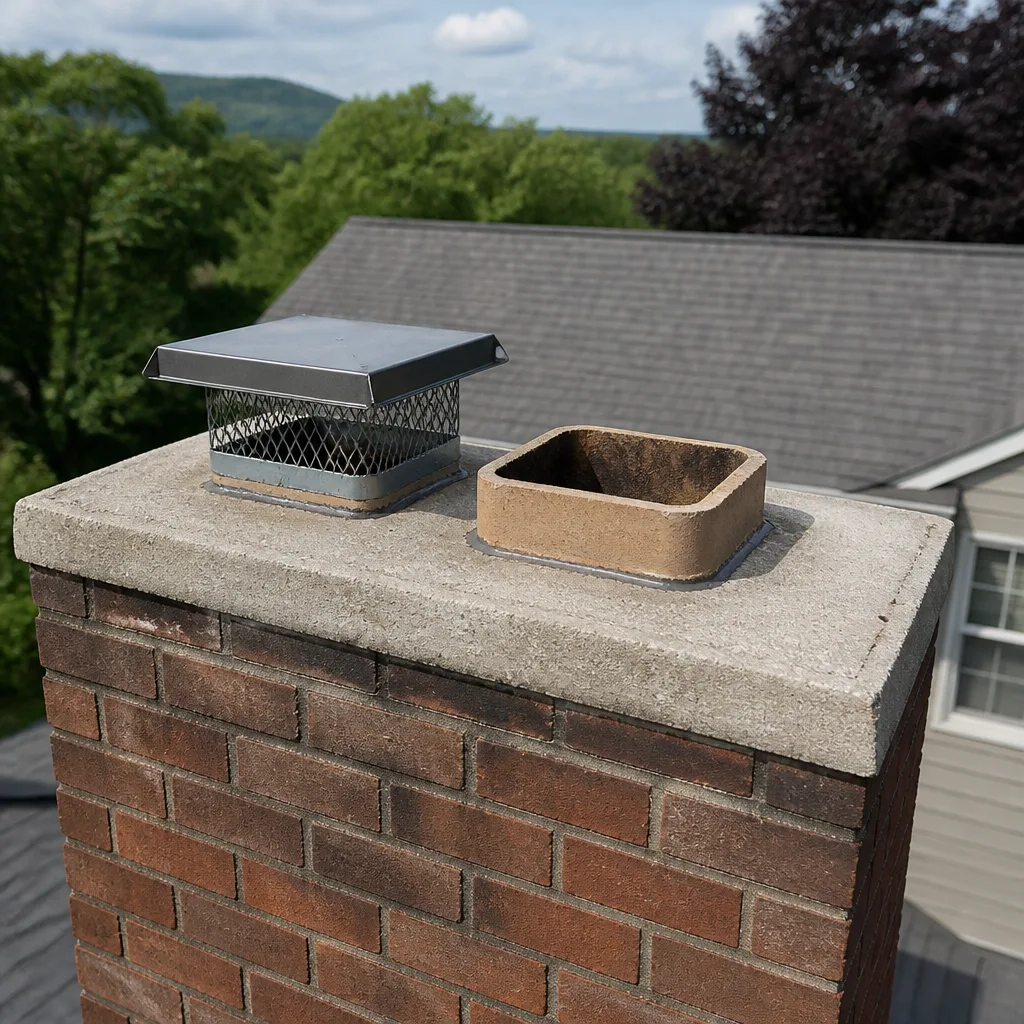 Sweep & inspection
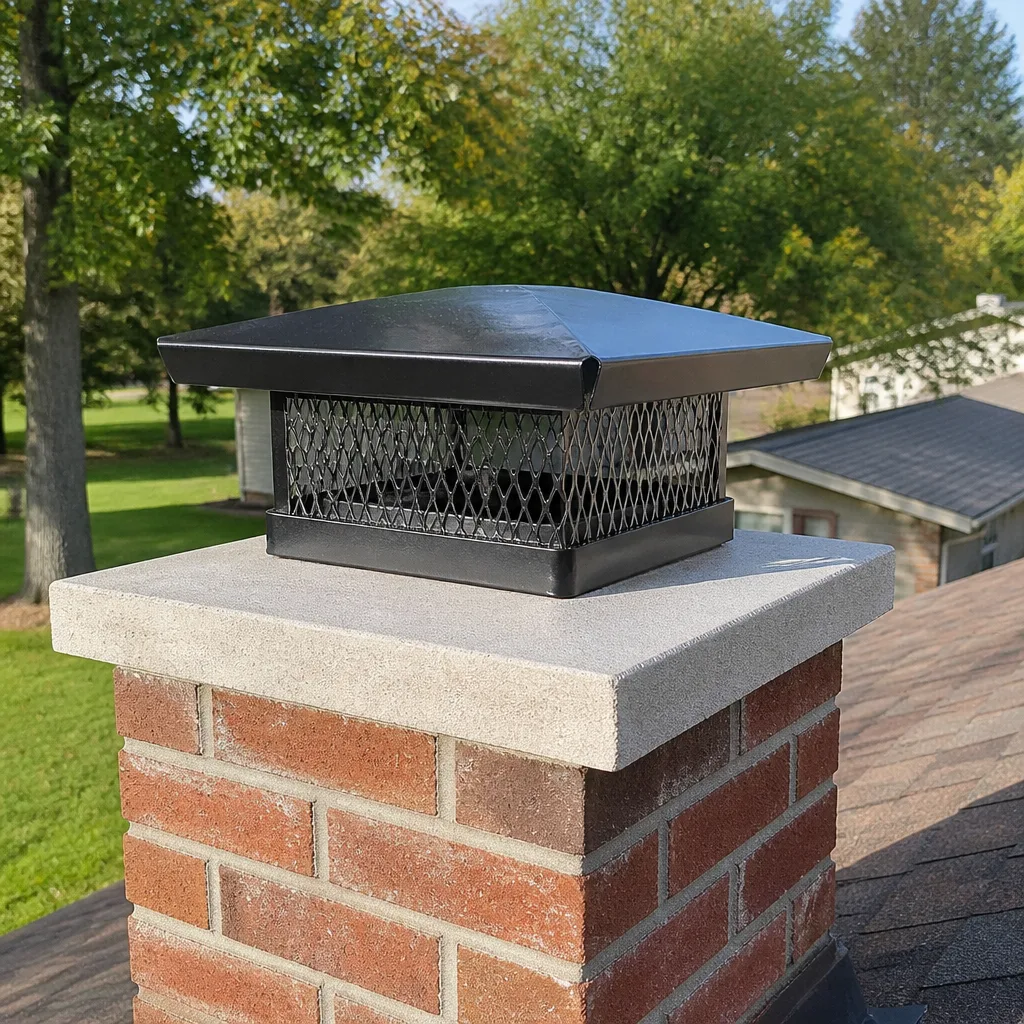 Caps & crowns
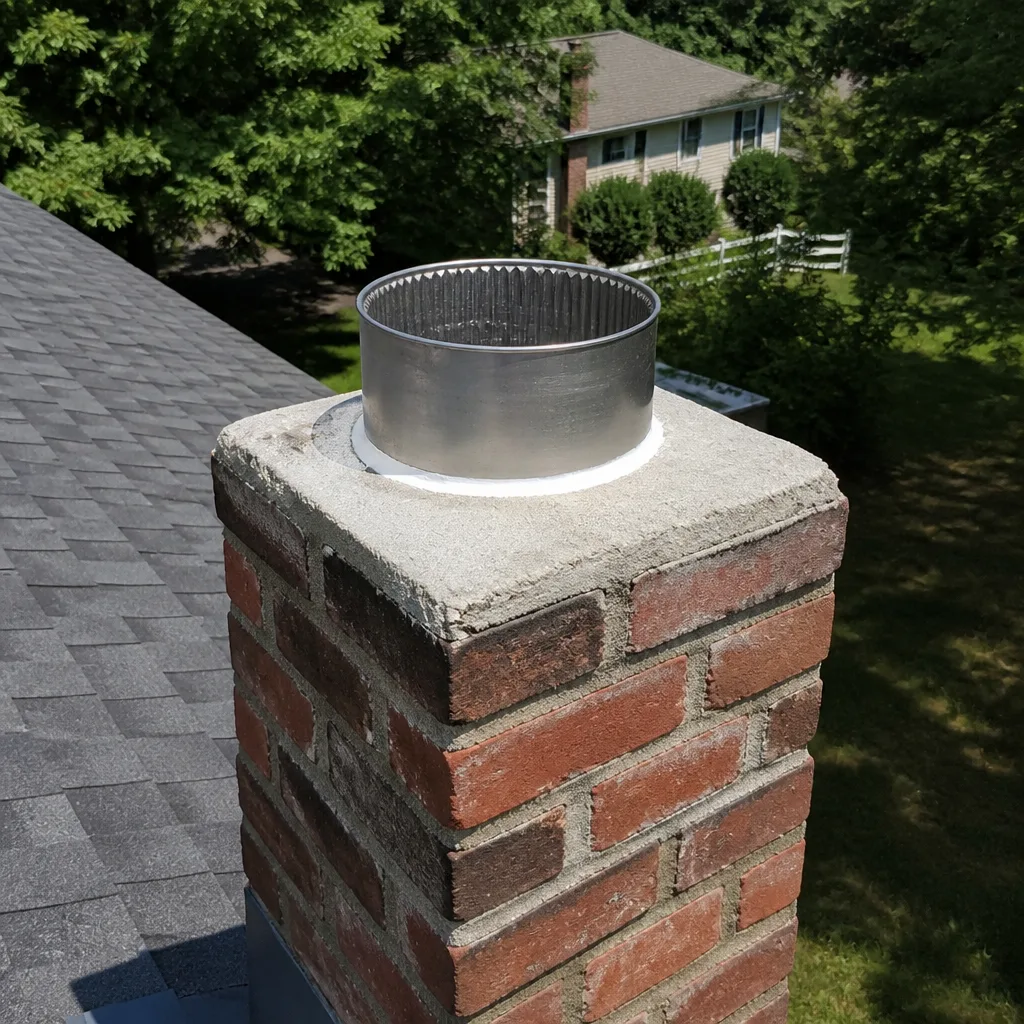 Flue relining
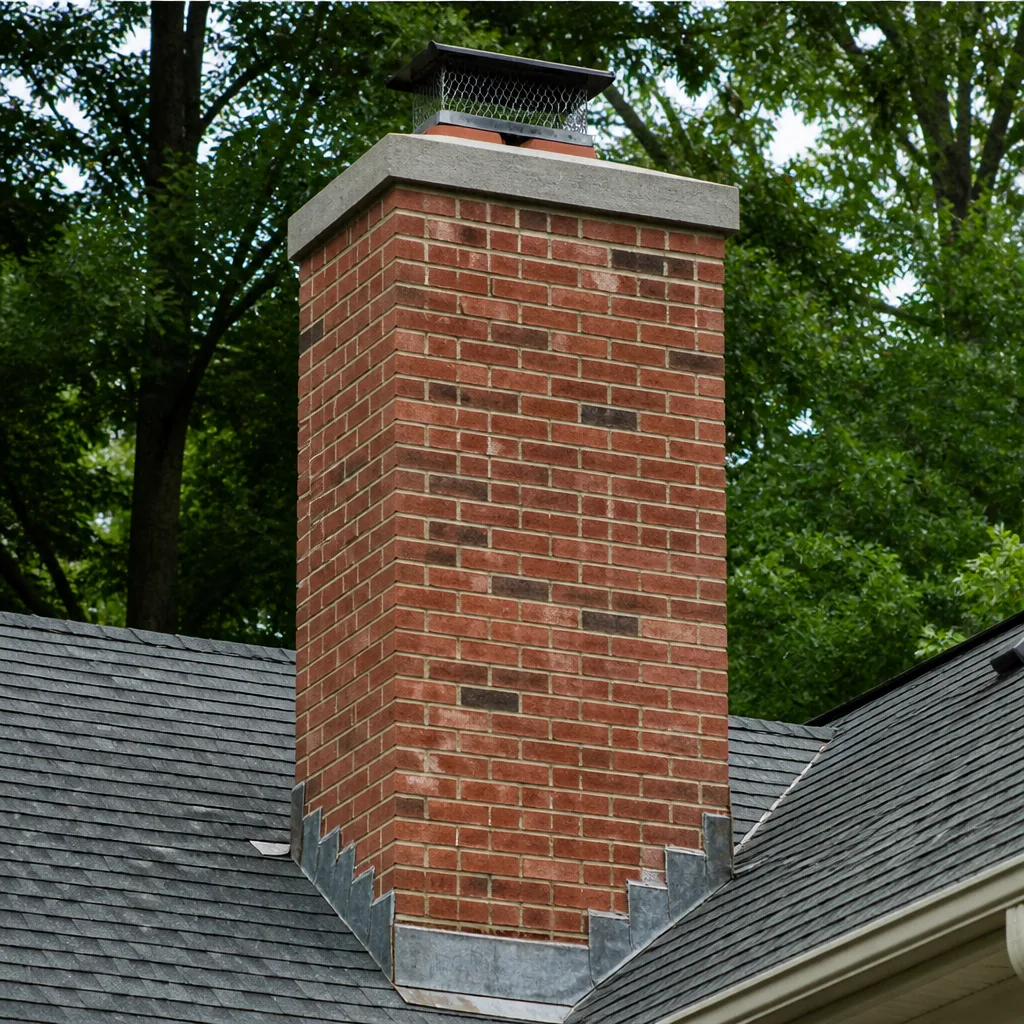 Masonry repair
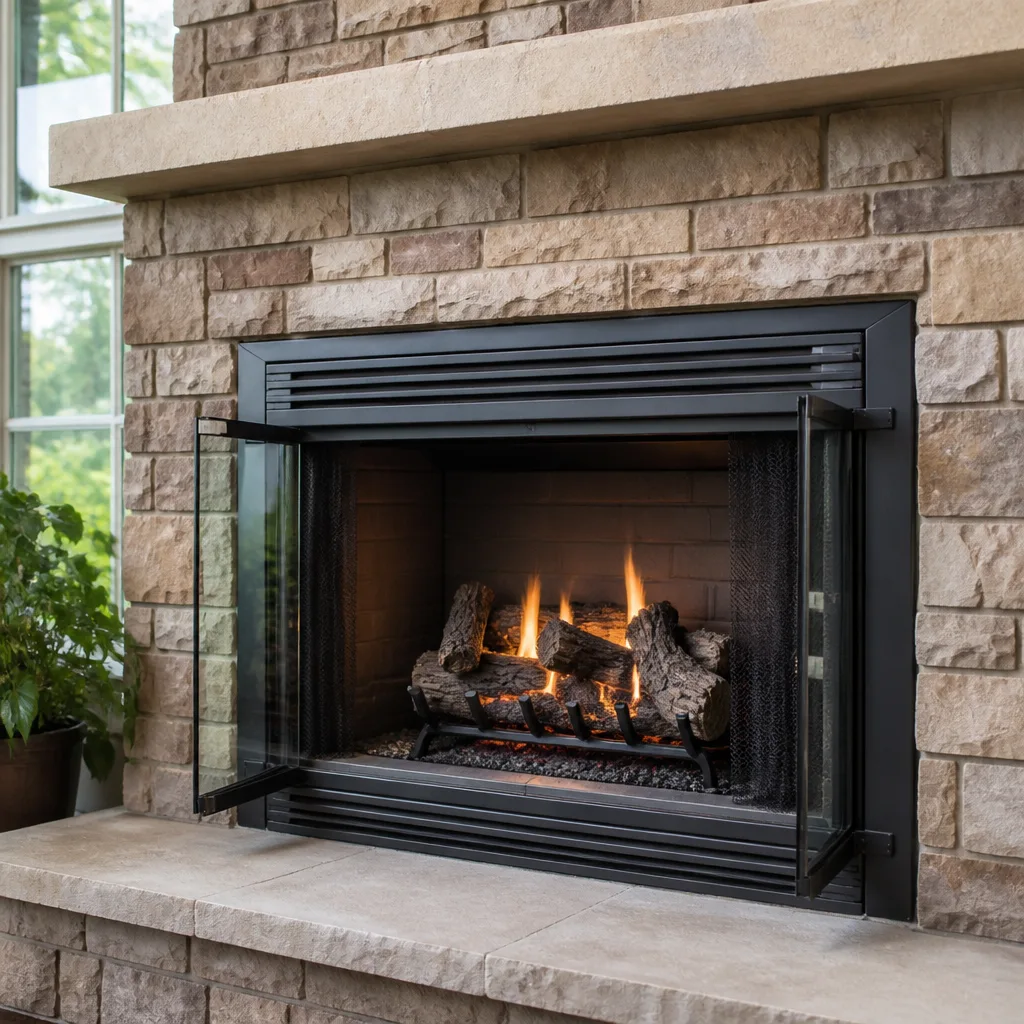 Gas fireplace service
Level 1 sweep and inspection to the NFPA 211 annual standard - flue, crown, cap, and flashing checked and photographed
Chimney sweep logs do not sweep chimneys. They loosen some creosote - which then falls where a brush and vacuum still have to collect it.
Chimney Sweep Troubleshooting in Hamilton Lakes: Common Problems and How to Fix Them
A chimney that smokes into the room on a cold start isn’t always dirty. In many Hamilton Lakes split-level homes, the flue is clean and the problem is stack pressure: the house is tight, the basement fan is running, and the chimney simply can’t pull. Cleaning it again won’t change a thing. The same misdiagnosis shows up with odors. Homeowners blame creosote and schedule a sweep, when the smell is actually moisture moving through cracked masonry. This guide maps symptoms to their real causes, so you spend money on the fix that works instead of the one that sounds right.
Quick Answer
Most chimney problems in Hamilton Lakes come down to four root causes: blockage, negative pressure inside the house, water intrusion through the crown or flashing, and flue sizing that doesn’t match the appliance. Backdraft on startup usually points to pressure or sizing, not creosote. Musty odors usually point to water, not soot. A proper diagnosis starts with a camera inspection, not a brush.
Styles & brands we work with
- Sweep & inspection
- Caps & crowns
- Flue relining
- Masonry repair
- Gas fireplace service
Table of Contents
- The Symptom-to-Cause Diagnostic Matrix
- Why Your Chimney Backdrafts (And Why Cleaning Won’t Fix It)
- How Hamilton Lakes Clay Soil Shifts Fireboxes and Causes Smoke Spill
- Reading Creosote: First, Second, and Third Degree
- Crown Cracks vs. Flashing Leaks vs. Liner Gaps: Where the Stain Shows Up
- Flue Sizing Mismatch: The Quiet Performance Killer
- What You Can Safely Monitor and What Needs a Technician
- Getting Ready for Burning Season in Hamilton Lakes
The Symptom-to-Cause Diagnostic Matrix
Start with the symptom. What you see, smell, or hear tells you more than what you assume. Here’s how we sort the common complaints before anyone touches a brush. Put another way: the Chimney Sweep Hamilton Lakes diagnostic process begins with listening to what the chimney is doing, not just what it looks like.
Smoke rolls into the room on startup, then clears. Likely cause: negative pressure or a cold flue that needs priming. A blockage would keep smoking throughout the burn, not just the first ten minutes.
Smoke throughout the entire burn, worse in wind. Likely cause: partial blockage, a damaged flue tile, or a cap that’s clogged with debris or a bird nest.
Smoke only when the furnace or bath fan runs. Likely cause: negative house pressure. The chimney is competing with exhaust fans for air and losing.
Musty, damp smell in summer, stronger on humid days. Likely cause: moisture intrusion. Water is getting in and reacting with creosote deposits or masonry salts.
Rotten egg or sulfur smell. Could be gas appliance venting or decayed debris sitting in the flue. Either way, worth a look before the next fire.
Water staining inside the firebox, on the smoke shelf, or down the exterior. Likely cause: crown cracks, flashing failure, or a missing cap. Where the stain appears narrows down which one.
Poor draft even when clean and dry. Likely cause: flue sizing mismatch or a flue that’s too short for the roof line.
Line this matrix up against what you’re actually seeing, and you’ll know within a few minutes whether the problem is airflow, water, blockage, or geometry. That’s the whole point of troubleshooting: fix the cause, not the symptom.
Why Your Chimney Backdrafts (And Why Cleaning Won’t Fix It)
Backdraft is a pressure problem, not a dirt problem. When a house is tighter than the chimney can draw against, smoke has nowhere to go but into the room. Hamilton Lakes homes with newer windows, weather stripping, and high-efficiency exhaust fans are exactly the setup where this shows up. You can sweep the flue until it shines and the smoke will still roll in.
Here’s how to test the theory before you call anyone:
- Crack a window a few inches in the room with the fireplace.
- Light a rolled-up newspaper and hold it near the open damper for 30 seconds.
- Watch the smoke. If it rises up the flue once the window is cracked, and rolls back into the room when it’s closed, you have a pressure problem.
- Repeat with the kitchen exhaust fan on. If that makes it worse, it confirms exhaust equipment is overpowering the chimney.
The fixes range from simple to structural. Opening a window on startup is the simplest and often sufficient. Adding a dedicated outside air supply to the firebox solves it permanently in tight houses. A taller cap or a different termination height can also help if the chimney is fighting the roofline. What won’t help is a sweep. If the flue is clean and the house is tight, the brush was never the answer.
There’s a smaller category of backdraft that comes from a flue that’s too short for the house. If the chimney doesn’t clear the surrounding roof by enough, the stack effect is weak, and no amount of cleaning will compensate. This is where sizing comes up, and it’s where a diagnostic visit earns its money.
How Hamilton Lakes Clay Soil Shifts Fireboxes and Causes Smoke Spill
Hamilton Lakes sits on heavy clay soil, and clay does something predictable: it expands when wet and shrinks when dry. Under a masonry chimney, that cycle puts pressure on the foundation footing. Over enough seasons, the chimney can tilt slightly, and when the firebox tilts with it, smoke doesn’t want to go up the throat the way it was designed to. It spills out the front instead.
The signs of this are subtle. You might see a hairline crack in the firebox mortar, a damper that doesn’t sit flush anymore, or a gap between the hearth and the surround. You might notice the smoke shelf isn’t level when you look at it with a flashlight. If the chimney exterior leans a degree or two, that’s a clue, though a small lean isn’t automatically a problem.
What makes this a Hamilton Lakes-specific issue is the wet-dry cycle here. Summers dry the clay out and autumn rains swell it back up. Chimneys that sit on a slab or shallow footing feel that cycle more than ones on a deep footing. It’s worth knowing because a smoke problem in a home near the older sections of Hamilton Lakes can trace back to this and not to creosote.
If you suspect movement, that’s a technician call, not a repair to take on yourself. We’ve seen fireboxes with shifted throats that cleaned up perfectly and still smoked until the firebox geometry was corrected. Stone or brick work near the firebox is not a homeowner project.
Reading Creosote: First, Second, and Third Degree
Creosote builds in stages, and each stage behaves differently. Knowing which one you have tells you how urgent the sweep is.
First degree is a thin, dusty, flaky layer. You can often see it as a light gray soot coating on the flue walls. It smells like a cold fireplace, not a chemical. A standard chimney sweep handles this easily, and it’s the normal condition of a fireplace that’s been used for a season.
Second degree is a thicker, crustier layer. It has a shiny, tar-like quality in places and is harder to remove with a standard brush. This is where the smell starts to change: more acrid, more like burnt rubber than wood smoke. A sweep with the right tools handles it, but it takes more time.
Third degree is glaze. It looks like hardened tar or even black glass, and it’s the most dangerous form because it burns hot. You can sometimes see it from the firebox looking up with a flashlight, though the camera inspection is what confirms it. This is where a technician is non-negotiable, and where a rotary cleaning may be needed instead of a brush alone.
Here’s what most homeowners miss: you can’t always tell degree by eye from the firebox. The camera tells the truth. Smell helps: dusty soot is first-degree, acrid tar is second, and a sharp chemical smell with visible glossy deposits is third. But the only way to be sure is to look with a camera, which is why our chimney sweep service includes a camera inspection with a photo report.
Crown Cracks vs. Flashing Leaks vs. Liner Gaps: Where the Stain Shows Up
Water staining is a map. Where it shows up tells you where the leak is coming from, and each source needs a different fix. This is the section we wish more homeowners read before calling, because it saves everyone time.
- Crown cracks: Staining on the smoke shelf, the damper frame, and the top of the firebox. Water enters at the top of the chimney and runs straight down the inside of the flue. Look for cracks on the crown, which is the concrete cap at the top of the chimney.
- Flashing leaks: Staining on the ceiling near the chimney, or a damp patch on the chimney breast inside the room, especially after wind-driven rain. The flashing is the metal where the roof meets the chimney, and it’s the most common source of roof-side leaks.
- Liner gaps: Staining lower down, on the firebox floor or up one side of the firebox wall, especially when the chimney is on an exterior wall. Water is finding a break in the clay tile liner and coming through.
- Missing or damaged cap: Water in the firebox after a storm, plus debris in the flue, plus visible rust on the damper. The cap is the cover on top, and when it’s gone, rain goes straight down.
Fix the source, not the stain. A crown crack gets a crown repair, ideally with a flexible coating that moves with the masonry. Flashing gets reworked or replaced. Liner gaps get a liner solution, and if the tiles are deteriorated but not collapsed, HeatShield resurfacing can close the gaps without a full reline. A missing cap gets a proper cap from a brand like Copperfield or Olympia Chimney, sized to the flue. Painting over a water stain in the firebox is a homeowner hobby that ends badly.
Our chimney cap & crown work exists for exactly this reason. Stopping water at the top is cheaper than rebuilding a firebox later.
Flue Sizing Mismatch: The Quiet Performance Killer
A flue that’s the wrong size for the appliance will underperform forever, no matter how clean it is. This is one of the most under-diagnosed problems in Hamilton Lakes, partly because it looks like a draft problem and partly because it doesn’t show up in a visual sweep. If your fireplace smokes, drafts poorly, or burns cold, sizing is worth ruling out.
The rule of thumb: a flue needs to be roughly matched to the appliance’s exhaust volume. Too small, and the chimney can’t move enough flue gas. Too large, and the flue gases cool before they reach the top, which weakens the draft and encourages creosote condensation. Both directions cause problems, and both are invisible without measuring.
Signs of a sizing mismatch:
- Smoke on startup even after the flue is warmed with a newspaper torch.
- Weak draft that gets worse in cold weather, not better.
- Rapid creosote buildup in a chimney that’s swept regularly.
- A factory-built fireplace that never performed the way it did in the showroom.
The fix depends on the cause. A wood stove insert dropped into an oversized masonry flue usually needs a properly sized stainless liner, which is where DuraFlex comes in. A factory-built unit with an undersized flue may need a different cap or a new appliance. A masonry chimney with a flue that’s too large can sometimes be relined down to size. In our experience, sizing problems in Hamilton Lakes homes are easy to miss because they behave like draft problems and get treated like dirt problems. The camera and the tape measure are what sort it out.
What You Can Safely Monitor and What Needs a Technician
Not every problem needs a service call the same day. Some things you can watch between services, and some things you shouldn’t touch. Here’s the honest split.
Safe to monitor yourself:
- Smoke on startup. Try the window test described above and note whether it helps. That’s information your technician can use.
- A faint, dusty smell after a burn. That’s normal first-degree creosote behavior. Note it and mention it at your next sweep.
- A small amount of water in the firebox after a heavy storm. Check the cap and the crown visually, then get it inspected before the next fire.
- Damper operation. Open and close it a few times before each season to confirm it seats. Don’t force it if it sticks.
- Visible creosote level from the firebox looking up. If you see glaze, that’s a call; if you see gray soot, that’s a note.
Call a technician before the next fire:
- Any sign of a cracked or collapsed flue tile.
- A firebox that smells strongly of gas, or a damper that won’t operate.
- Visible creosote glaze, especially a thick layer.
- A chimney that has visibly shifted or a firebox with cracked mortar.
- Carbon monoxide alarms going off when the fireplace or furnace runs.
- Any chimney fire, even a small one. The flue needs a Level II inspection afterward, no exceptions.
The word to remember is “before.” Waiting until the fire is already burning is how an easy fix becomes an expensive one. A fireplace repair after a chimney fire is a very different job than a sweep before one.
Safety note: never put a fire in a fireplace with a known flue defect, and never try to remove creosote glaze yourself. Glaze is a fire hazard, and the tools that remove it take training to use without damaging the flue. If you’re in doubt, don’t light the fire. Call and have it looked at.
Getting Ready for Burning Season in Hamilton Lakes
The best time to troubleshoot is before the first fire, not after. A pre-season check takes an hour and catches the problems that turn into cancellations in January. Here’s the sequence we recommend, in order.
- Look at the firebox. Any cracking in the mortar joints, any gaps between the firebox and surround, any water staining on the smoke shelf. Note what you see and where.
- Check the damper. It should open freely and seat flat when closed. If it’s stiff, don’t force it.
- Look up the flue with a flashlight. Gray soot is normal. Glossy black deposits are not.
- Walk outside and look at the chimney from the ground. Crown cracks, missing caps, loose flashing, and any visible lean. Use binoculars if the chimney is tall, and never get on the roof yourself.
- Schedule a sweep and inspection. A Level I inspection on a system with no problems, or a Level II with a camera if anything is uncertain. The chimney sweep includes a camera inspection and a photo report, so you see what we see.
In Hamilton Lakes, the pre-season window matters because the wet season is when water intrusion does its damage. A crown crack that’s caught in late summer is a coating job. The same crack in mid-winter, after a few hard freezes and a season of water running into the masonry, can mean masonry repairs. Prevention isn’t a slogan here; it’s the cost difference between two very different jobs.
One more local note: the clay soil we mentioned earlier moves the most in the wet and dry transitions. If you check the firebox now and again in spring, you’ll catch movement early. A firebox that looks fine in October and shows a new hairline crack in April is telling you something structural is happening, and worth a technician visit before it gets worse.
Common Mistakes to Avoid
- Assuming a dirty flue is the problem. In a tight Hamilton Lakes house, negative pressure can mimic a blockage. A sweep won’t fix a pressure problem. Test with a cracked window before you book the appointment.
- Treating odors with a cleaning. Musty smell in summer is usually moisture, not soot. Cleaning the flue when the problem is water intrusion just removes the evidence and leaves the cause in place.
- Painting over water stains in the firebox. The stain tells your technician where the water is entering. Painting over it doesn’t fix the leak and hides the clue.
- Skipping the inspection because the flue “looks fine” from the firebox. The most serious defects sit above the smoke shelf, out of sight. The camera is what catches them.
- Ignoring a small crack in the crown. A hairline crack lets water into the masonry and, over a wet season, into the firebox. Crown repair is a small job. Rebuilding the masonry around a saturated chimney is not.
- Burning with a known flue defect. Even a small defect in the flue lining can let heat reach combustible framing. A Level II inspection after any chimney fire, even a small one, is the rule, not a suggestion.
- Assuming a chimney that drafts poorly just needs cleaning. Sizing mismatches and short stacks don’t clean up. They need diagnosis.
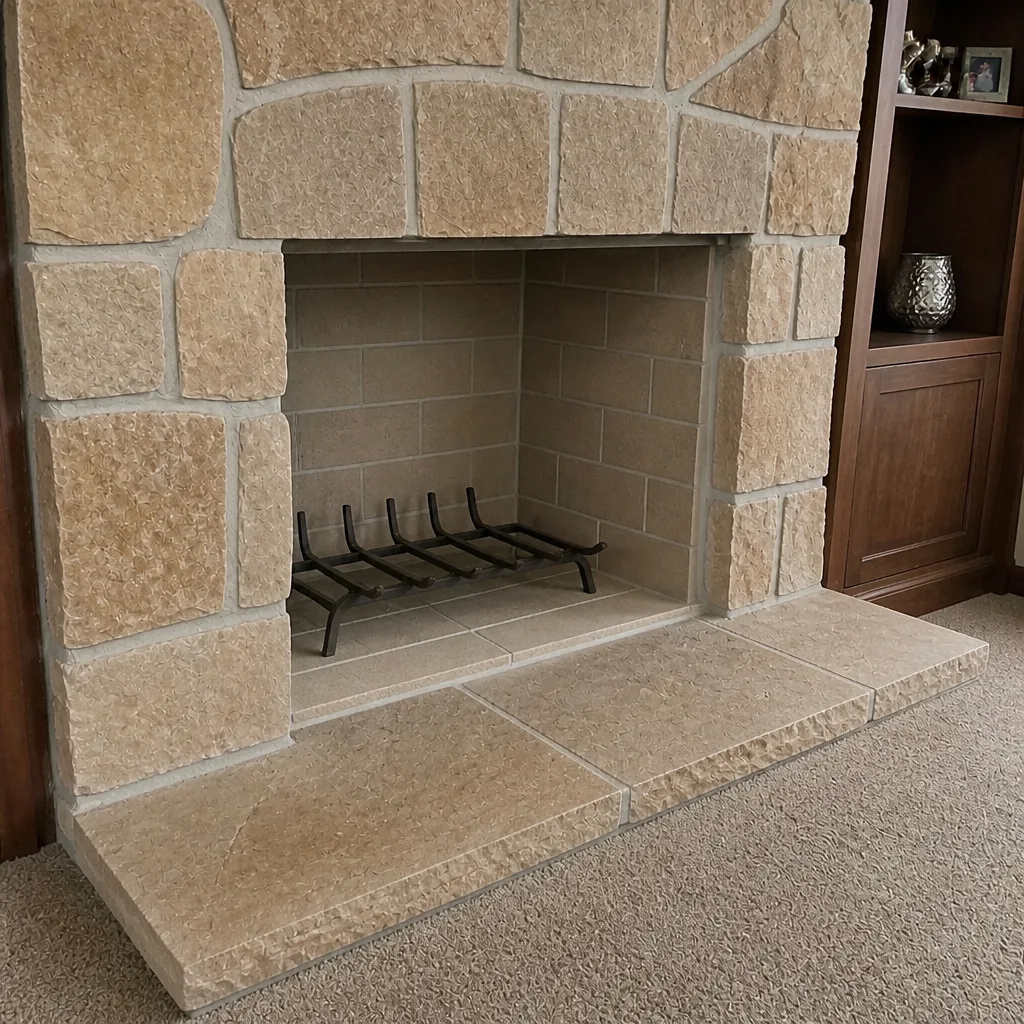
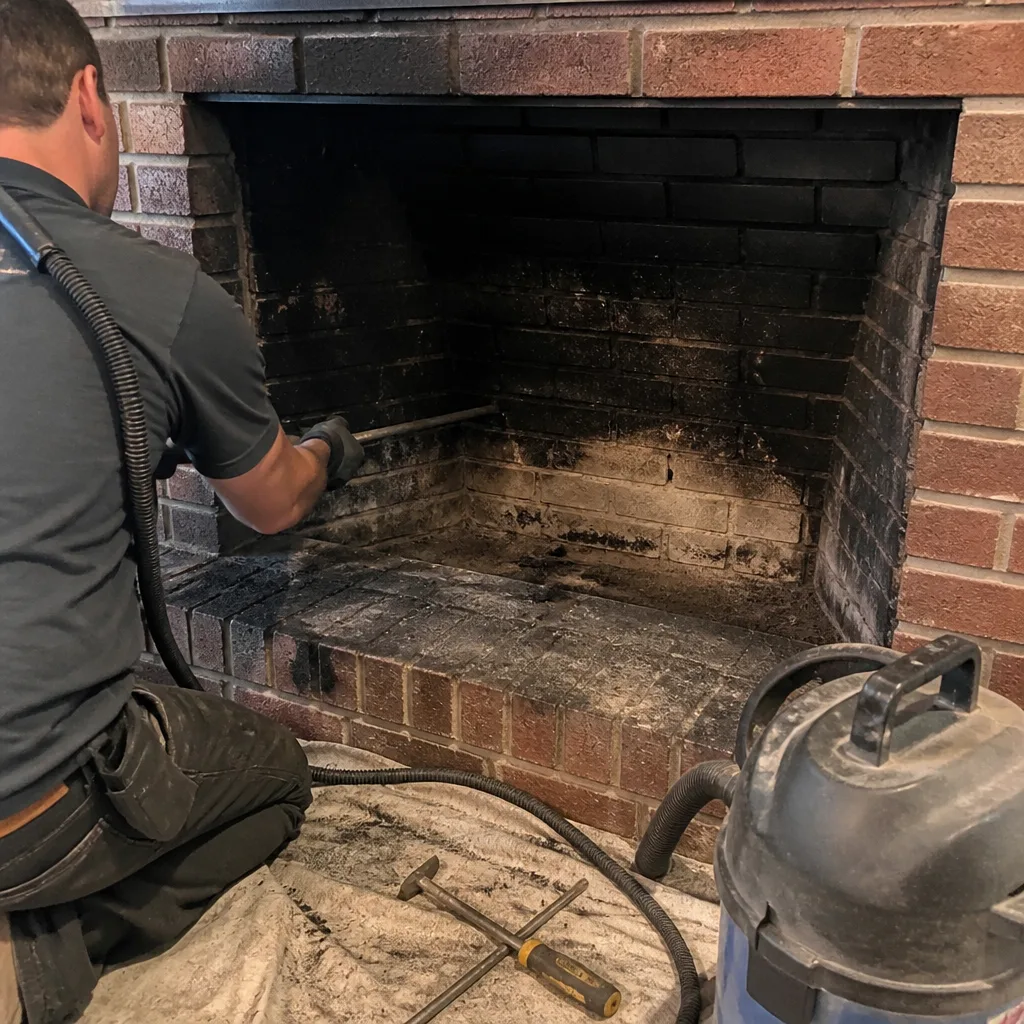
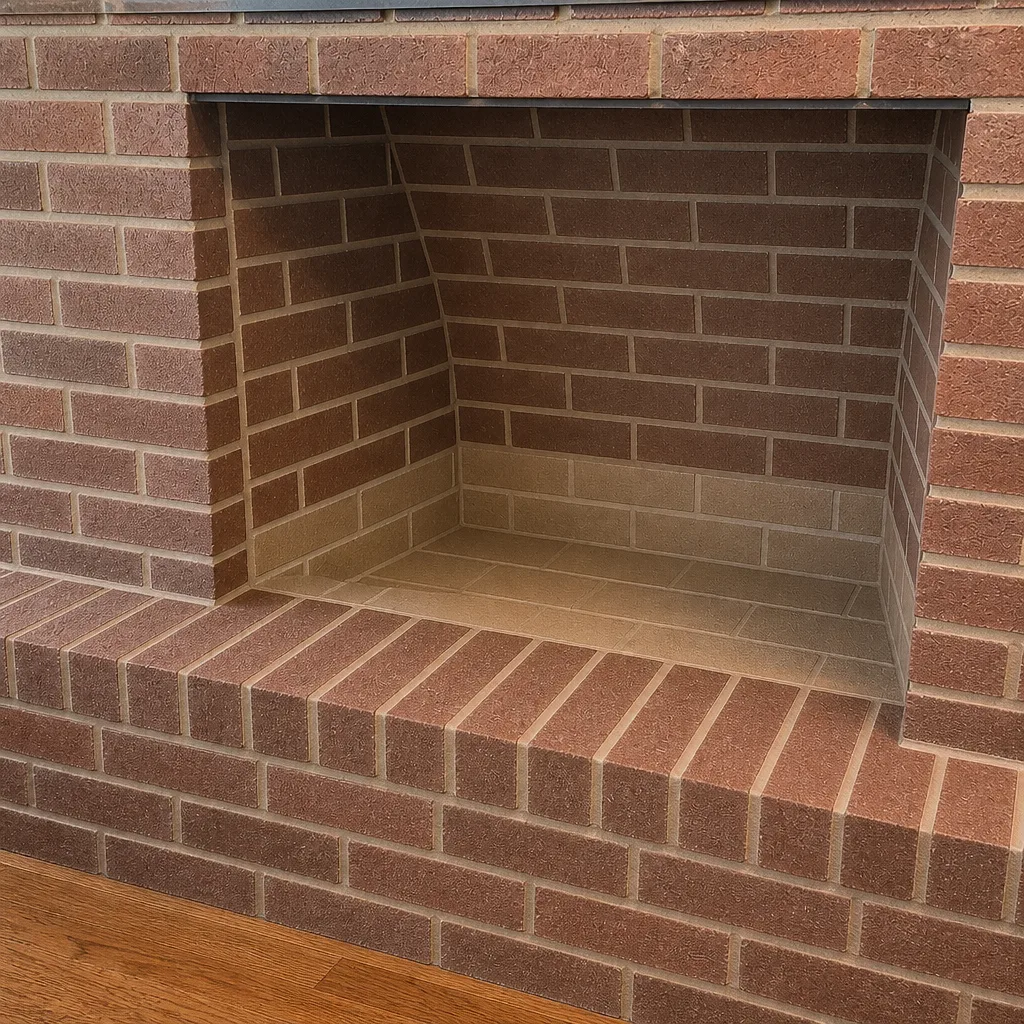
See the difference
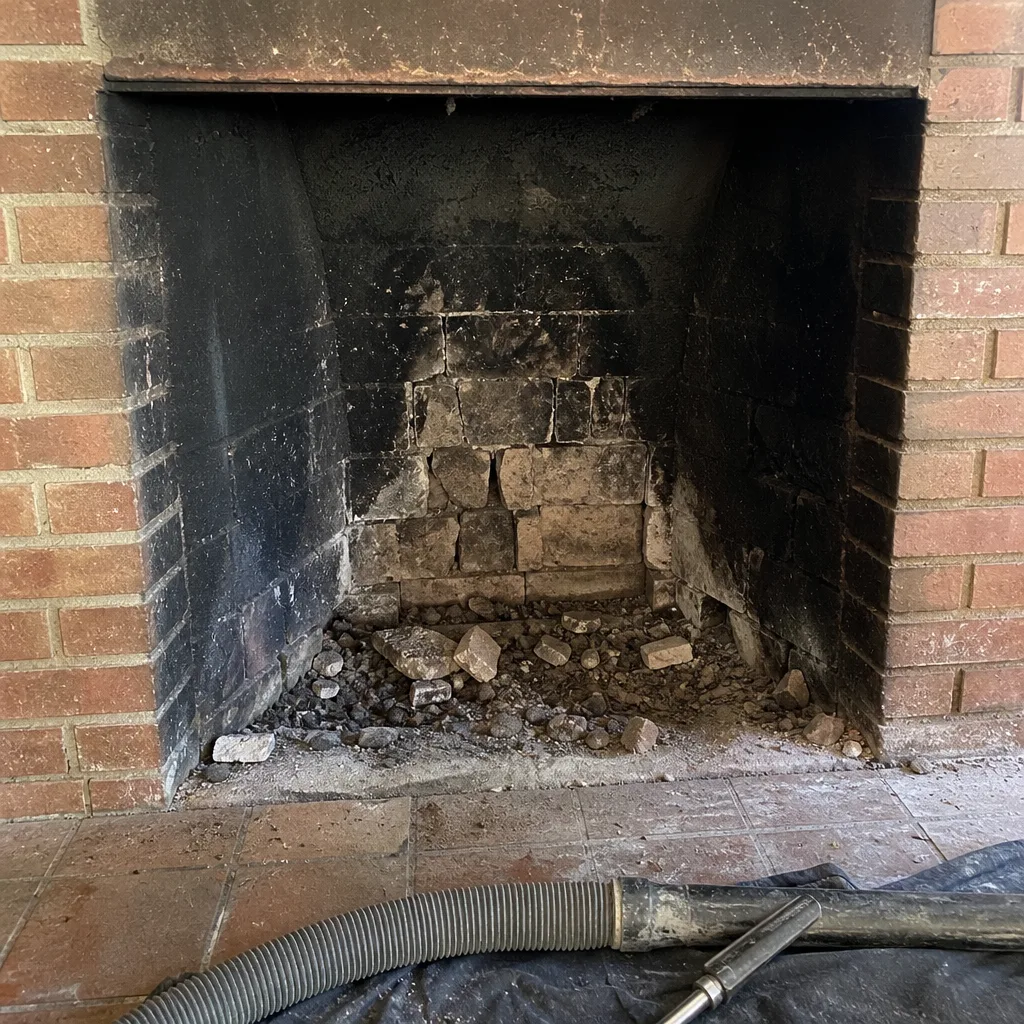 Before
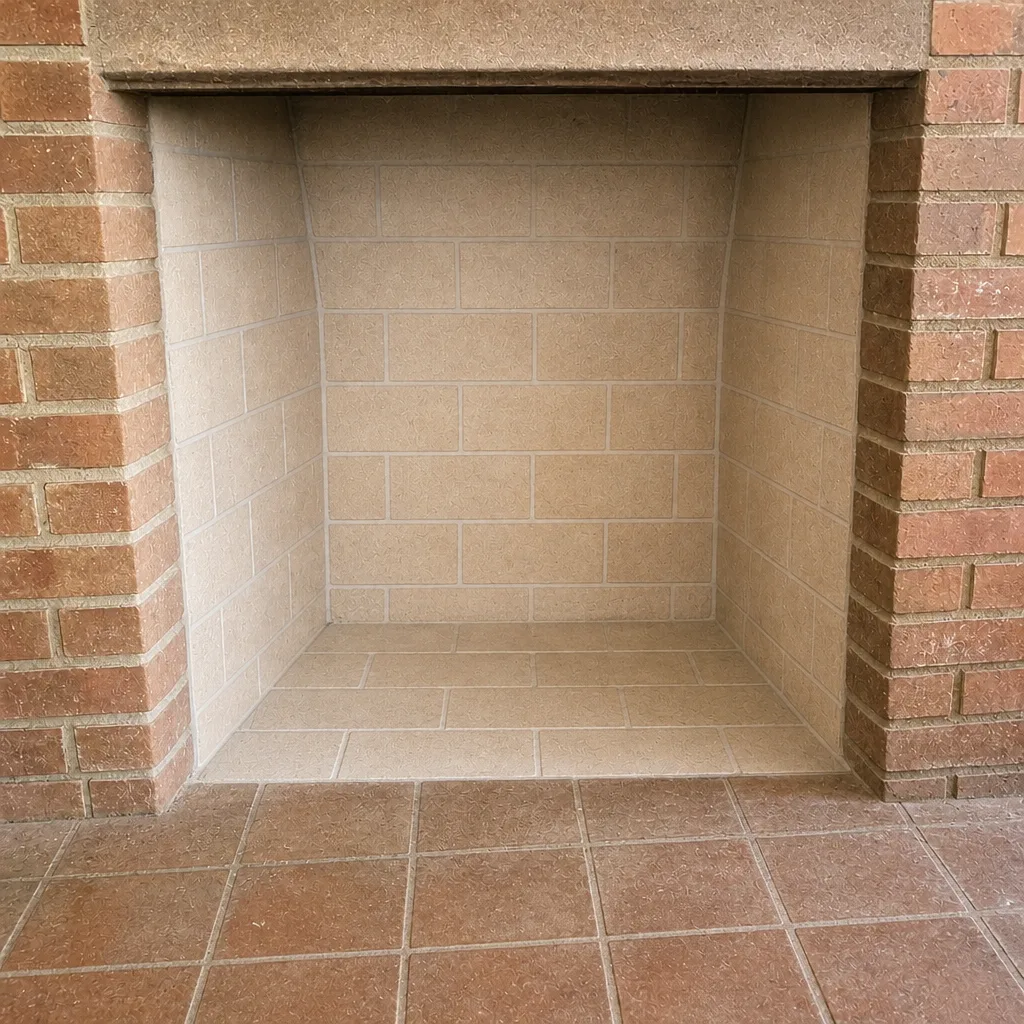 After
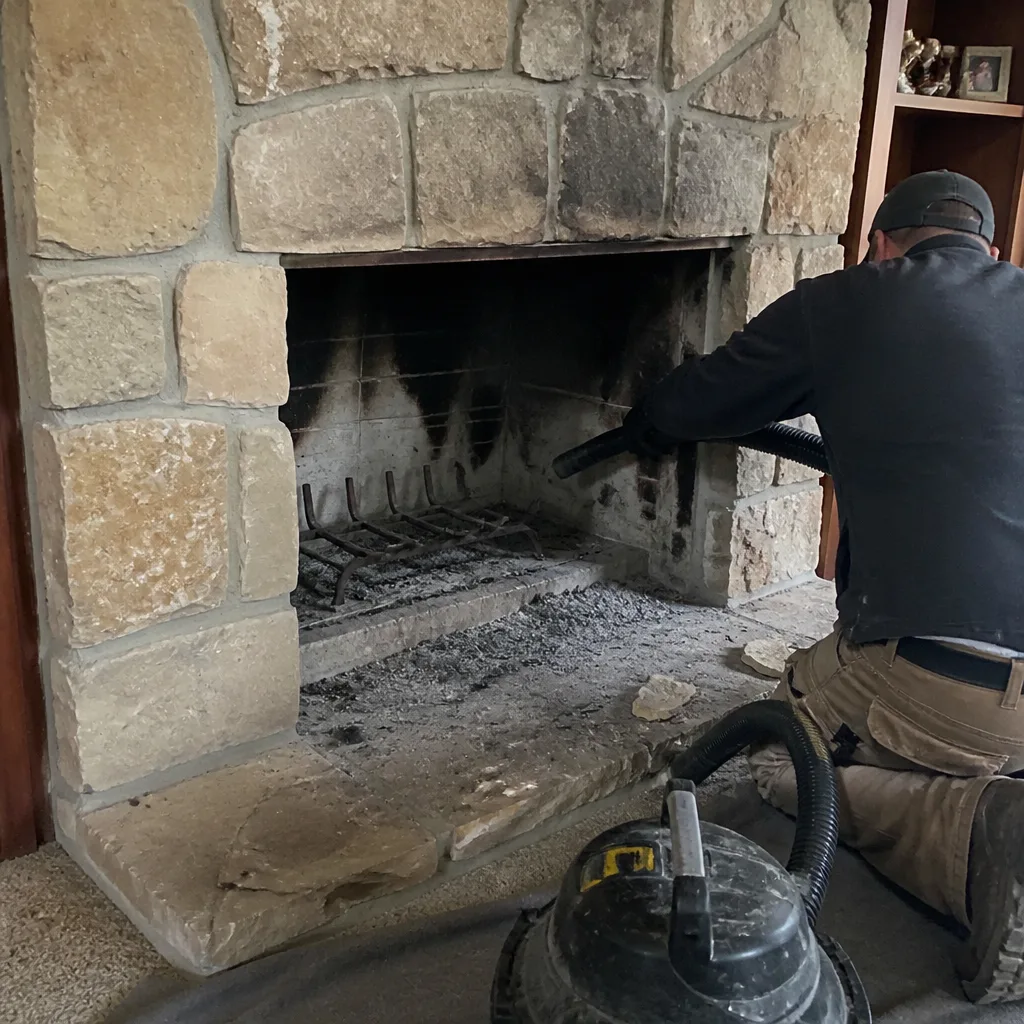 Before
 After
 Before
 After
When to Call a Professional
Call a technician before your next fire if you smell gas, if your carbon monoxide alarm goes off, if there’s a visible crack or gap in the flue tiles, if the firebox has shifted, or if there’s any creosote glaze visible from the firebox. Also call if a chimney fire has happened, even a small one. These are cases where the wrong fix is worse than no fix: a swept flue in a house with a liner gap still leaks, and a cleaned flue in a house with a sizing mismatch still drafts poorly. What you can do between services is monitor and note. What you can’t do safely is repair a flue, a firebox, or a crown on your own.
Chimney Sweep Hamilton Lakes offers free estimates in Hamilton Lakes. We answer 24/7. Fast dispatch from 7am to 7pm, Sunday through Friday. Call (855) 766-2824.
Frequently Asked Questions
Most standard sweeps fall in a typical range of $150 to $300, and a Level II inspection with camera adds to that. The exact price depends on the flue, access, and how much creosote needs removing, so the written estimate is what sets the final number. Estimates are free, so it costs nothing to find out where you stand. Call (855) 766-2824 for an exact quote.
Not always. If the clay tiles are deteriorated but haven’t collapsed, HeatShield resurfacing can often restore the liner without a full reline. A full liner is the right answer when tiles have failed, or when the flue is undersized for the appliance. The camera inspection is what decides between the two, and we show you the footage before we quote anything. Call (855) 766-2824 to schedule the inspection.
For wood-burning fireplaces, once per year is the standard, and if you burn more than a cord a season, twice is worth considering. Gas and factory-built appliances still need an annual inspection, even though they don’t produce creosote the way wood does. The clay soil movement in Hamilton Lakes is one more reason not to skip; a quick annual look catches small shifts early. Call (855) 766-2824 to book yours.
Skipped sweeps let creosote build to glaze, and glaze is what turns a chimney fire from possible into dangerous. Skipped inspections also let water intrusion, crown cracks, and liner gaps go unnoticed until they cost much more than a sweep. The flue that cleans up easily in October can turn into a repair job by spring. Call (855) 766-2824 for a free estimate before the next fire.
If the smell is musty or damp, it’s usually water intrusion, not creosote. Warm humid air carrying moisture through a cracked crown or a loose flashing meets cold creosote at the top of the flue, and the reaction produces that smell. Cleaning the flue won’t fix it; finding and closing the water path will. Call (855) 766-2824 and we’ll inspect the source.
Startup smoke that clears once the flue warms is usually a cold-flue or negative-pressure problem, not a blockage. Try lighting a rolled newspaper near the open damper for 30 seconds to warm the flue, and test with a cracked window. If the smoke clears with one of those, the issue is airflow or pressure, not dirt. Call (855) 766-2824 if it keeps happening; a dedicated outside air supply or a sizing check is often the fix.
The Bottom Line
The pattern across almost every problem in this guide is the same: the obvious diagnosis is often wrong. Smoke on startup usually means pressure, not dirt. Summer odors usually mean water, not creosote. Weak draft usually means sizing, not a dirty flue. Reading the symptom correctly is what makes the repair stick. In Hamilton Lakes, the clay-heavy soil adds one more variable: foundation movement that can shift firebox geometry over time. A pre-season sweep and inspection with a camera catches all of it, and a photo report means you see what we see. Our technicians have up to 11 years of experience, and we name the brands we install, including HeatShield and DuraFlex, because materials matter as much as labor. One call covers the full chimney: sweep, inspect, repair, protect.
Chimney Sweep Hamilton Lakes handles sweeps, inspections, repairs, and cap and crown work across Hamilton Lakes, and the estimate is free. Call (855) 766-2824. We answer 24/7. Fast dispatch from 7am to 7pm, Sunday through Friday.
Written by the team at Chimney Sweep Hamilton Lakes.