
Last updated November 25, 2026
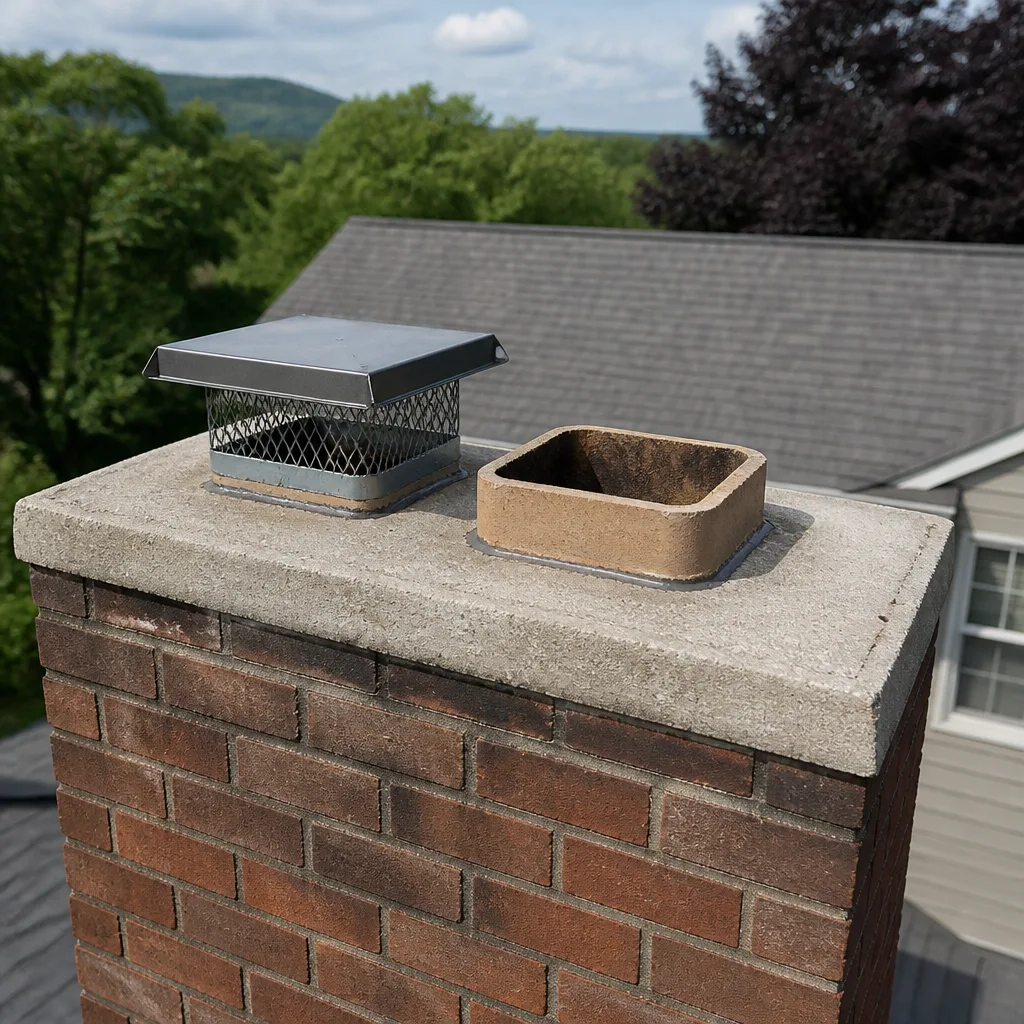 Sweep & inspection
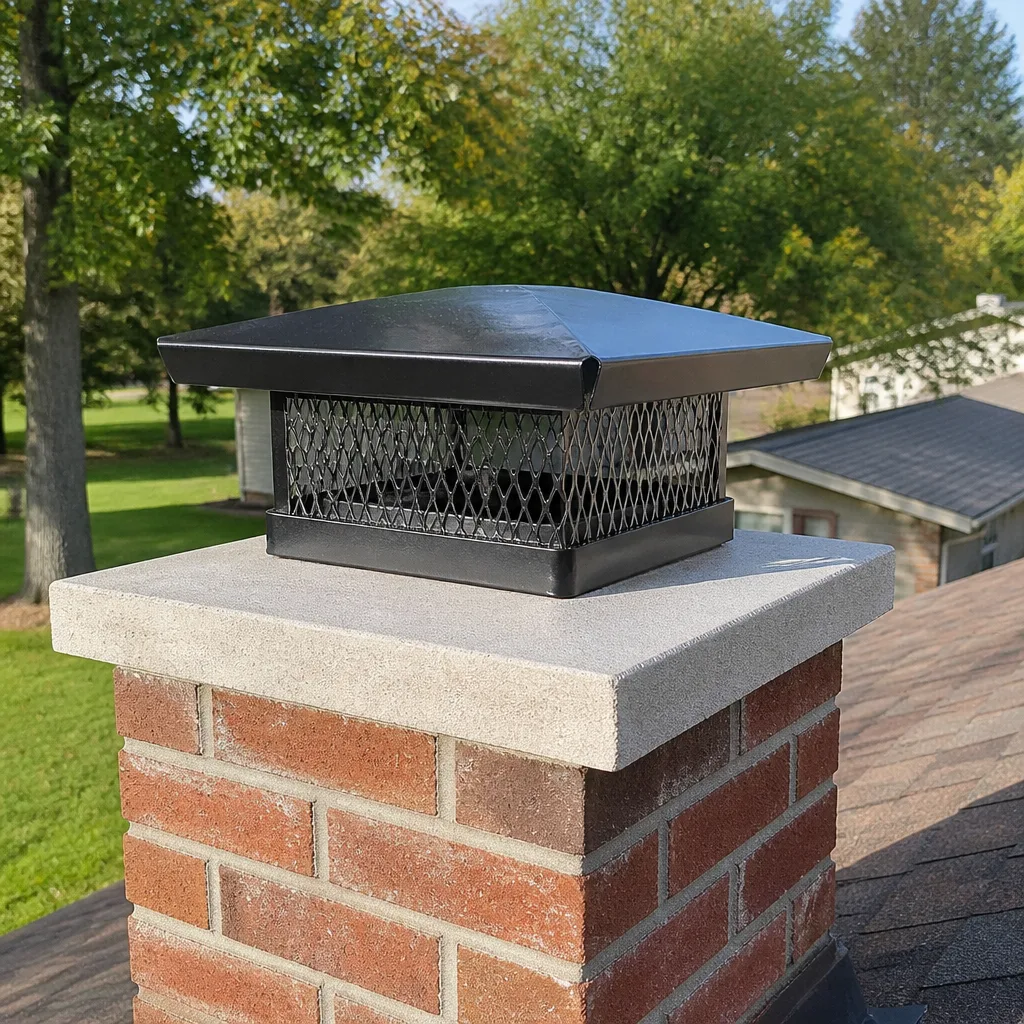 Caps & crowns
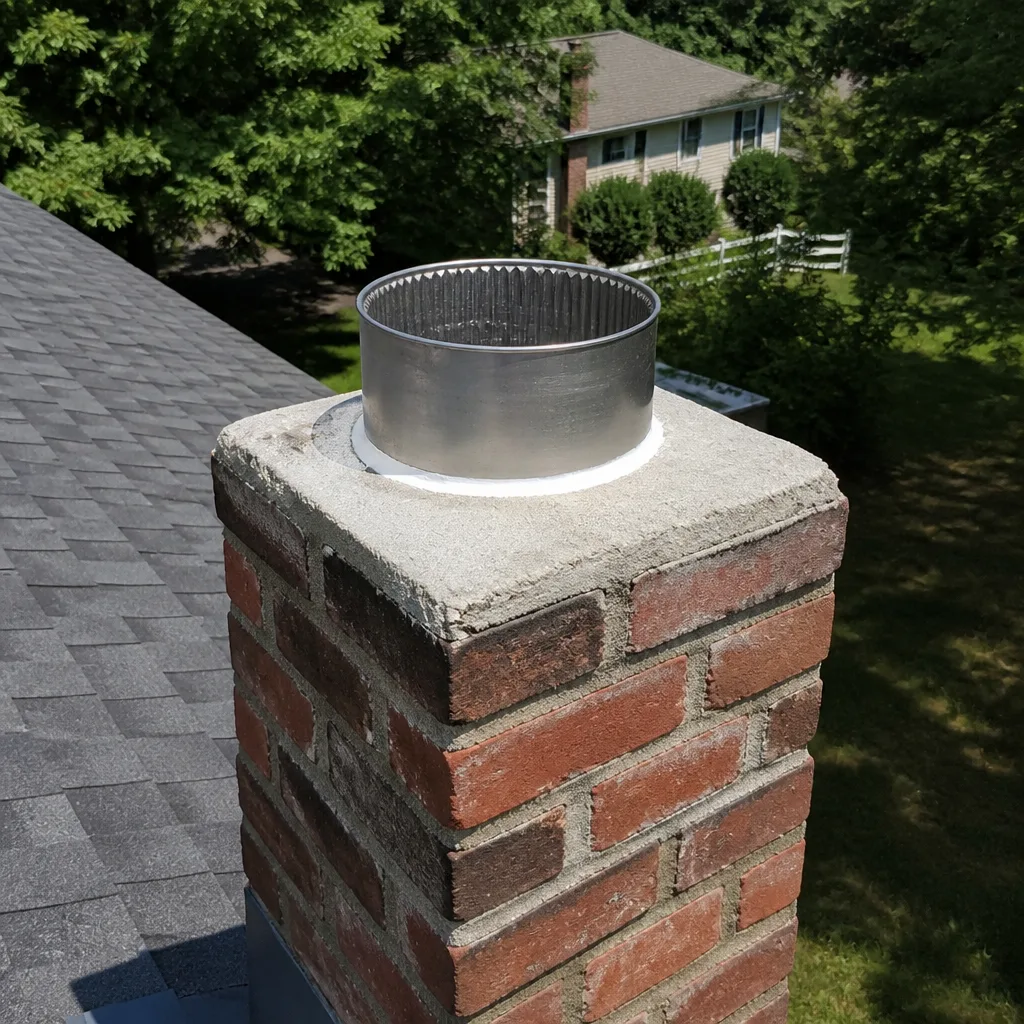 Flue relining
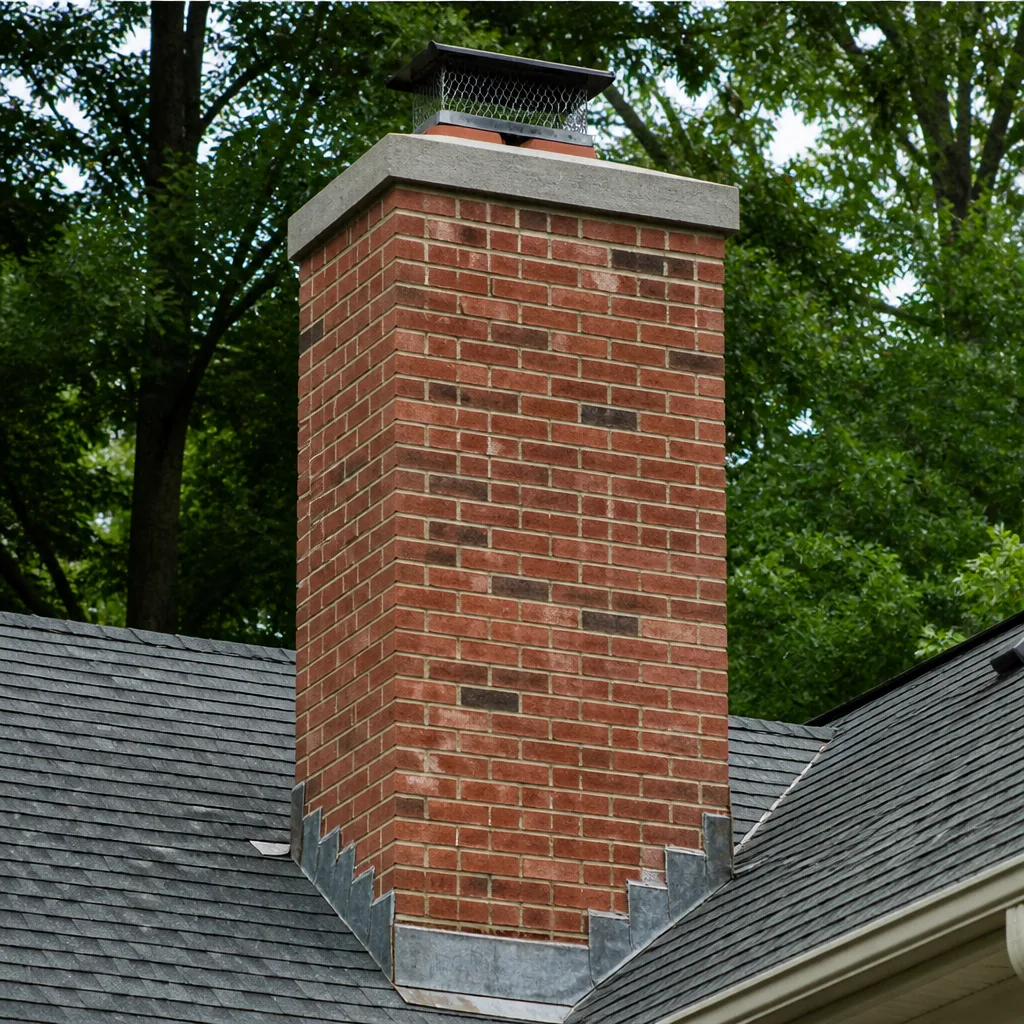 Masonry repair
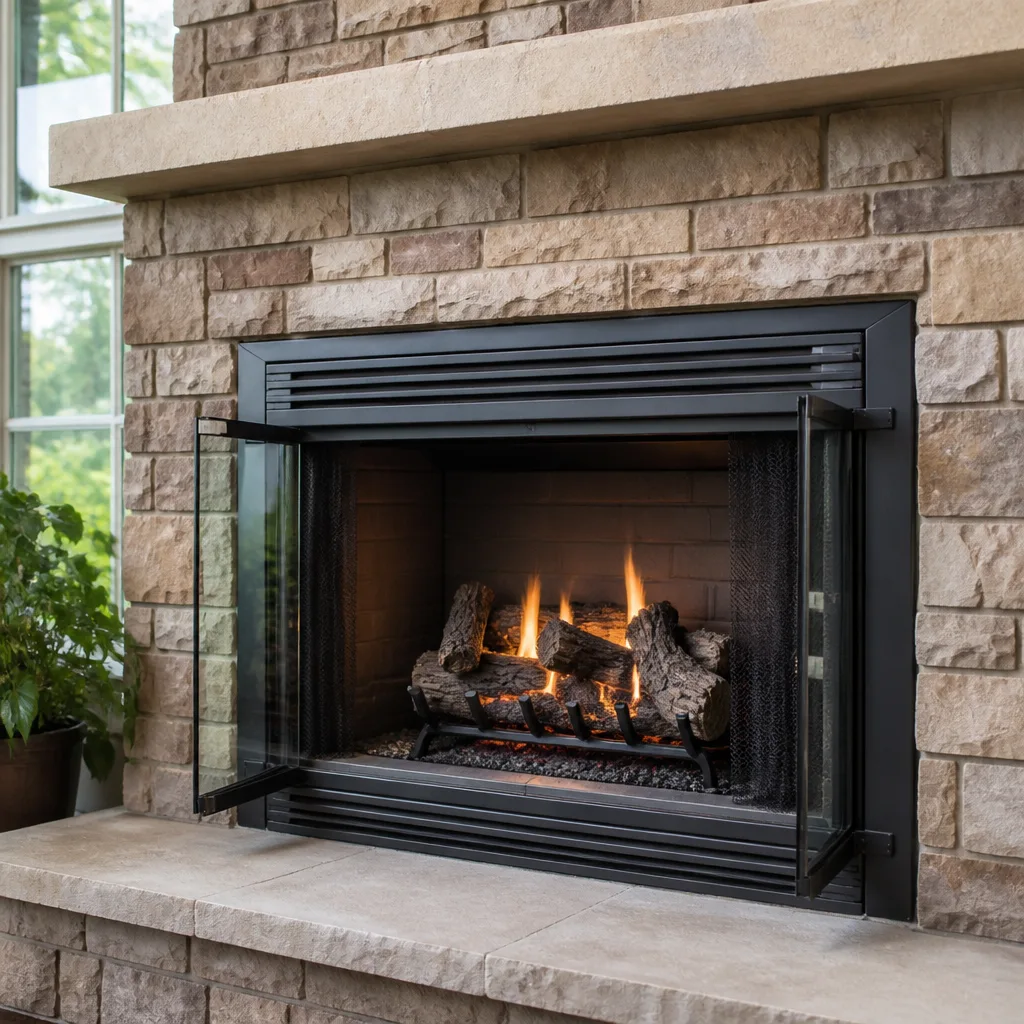 Gas fireplace service
Level 1 sweep and inspection to the NFPA 211 annual standard - flue, crown, cap, and flashing checked and photographed
Chimney sweep logs do not sweep chimneys. They loosen some creosote - which then falls where a brush and vacuum still have to collect it.
Choosing the Right Chimney Cleaning Brand: A Buyer’s Guide for Hamilton Lakes
Most homeowners shopping for chimney service start by typing a familiar franchise name into a search bar. That’s the wrong first move. National chimney brands mostly operate as contractor networks, which means the technician who pulls into your driveway may be a recently trained subcontractor working under a logo they don’t own. For a routine sweep, that’s usually fine. For structural work like a liner, a crown, or a masonry repair, the name on the van tells you almost nothing about who’s actually accountable when something goes wrong. This guide walks Hamilton Lakes homeowners through what “brand” should really mean in chimney care: the company’s diagnostic approach, its documentation standard, and whether it can repair what it finds. You’ll learn how to read a provider’s capabilities, ask better questions, and avoid the common traps.
Quick Answer
Choosing the right chimney cleaning brand in Hamilton Lakes means evaluating the service model, not the logo. Look for three things: a technician with verifiable credentials who performs the work themselves, a company that can diagnose and repair in-house rather than sweeping and referring out, and a written post-inspection report with photos you can keep. A company that provides all three is worth paying a little more for. One that only cleans is a commodity.
Styles & brands we work with
- Sweep & inspection
- Caps & crowns
- Flue relining
- Masonry repair
- Gas fireplace service
Table of Contents
- Franchise vs. Independent: What Actually Changes
- What “Full-Service” Really Means in Chimney Care
- The Documentation Standard: Written Reports vs. Verbal Summaries
- How to Read Reviews for Chimney Services
- The Product Upsell Question: Recommendation vs. Margin Play
- Why the Materials Brand on Your Chimney Matters
- Questions to Ask Before You Book
- What Hamilton Lakes Homeowners Should Know Specifically
Franchise vs. Independent: What Actually Changes
The chimney franchise model is a licensing arrangement. A national brand sells its name, training materials, and sometimes its truck design to independent operators. Those operators then hire their own technicians and subcontract additional work when they get busy. The brand provides marketing and a service standard on paper. It does not put a credentialed chimney specialist on every job. When you see a franchise name, you’re looking at a business model, not a guarantee of who shows up.
Independent chimney specialists work differently. A dedicated company owns its reputation directly, so the technician’s certification and the company’s repair capability are the same thing. That matters more than most homeowners realize. When a franchise subcontractor finds a cracked crown or a deteriorated flue liner, they often hand the job back to the operator, who then coordinates a second visit from a different contractor. In that handoff, the diagnosis, the estimate, and the actual work all happen across separate businesses.
What to look for operationally:
- Who performs the work. A dedicated company sends its own technicians. Ask directly whether the person on the job is an employee or a subcontractor.
- Who diagnoses. A sweep-only operation looks inside and cleans. A full-service company inspects with a camera, diagnoses what it finds, and quotes a repair it will perform itself.
- Who is accountable. If the liner fails in two years, who do you call? With an independent company, that answer is simple. With a franchise, it’s often a corporate customer service line rather than the contractor who did the work.
For Hamilton Lakes homeowners, the practical takeaway is straightforward: name recognition is a weak signal. Credentials, in-house capability, and direct accountability are strong signals.
What “Full-Service” Really Means in Chimney Care
“Full-service” is thrown around loosely. In chimney care it should mean at least five distinct capabilities under one roof: sweeping, inspection, fireplace repair, chimney repair, and cap and crown work. A company that can only sweep and refer out for everything else isn’t full-service; it’s a sweeper with a referral network. There’s nothing wrong with that if you only need a sweep, but it creates a coordination gap the moment a problem is found.
That gap is where homeowners lose time and money. Here’s how the two models play out when inspection turns up an issue:
- The sweep completes the cleaning and tells you the flue has a crack or the crown is failing.
- You schedule a second visit from a repair company, at some future date.
- The repair company re-inspects because their technician wasn’t present for the first look.
- You receive a second estimate, paying for a second inspection.
- You then schedule the actual repair, weeks after the original visit.
With an in-house operation, steps two through four collapse. The inspection findings feed directly into a repair quote from the same company, which performs the repair with its own technicians. The chimney sweep that arrives is capable of handling whatever the inspection uncovers. That continuity is what actually makes a company “full-service” in practice.
We built our service mix around this principle. Sweep, inspect, repair, and protect are the same call, not four different subcontractors.
The Documentation Standard: Written Reports vs. Verbal Summaries
Ask any chimney provider whether they provide a written post-inspection report with photos. The answer tells you a lot about how the company operates. A written report with photos is not a premium add-on; it’s the baseline for any company that takes its own work seriously, and it has real consequences down the line.
Why documentation matters:
- Insurance claims. If you ever file a claim for a chimney fire or water damage, the insurer will ask for evidence of the chimney’s condition before and after. A written report with photos supports that claim. A verbal summary supports nothing.
- Warranty work. If a repair fails within its warranty period, the written report establishes the condition at the time of service. Without it, the details become a matter of memory.
- Tracking over time. Chimneys don’t fail in a single season. A photo record at each annual sweep lets you (and your technician) compare condition year over year. A visible change is a much better warning than a verbal note that something “looked a little off.”
- Second opinions. If you ever want a second opinion, a written report is a document another specialist can evaluate and compare against.
At minimum, ask the provider what the report contains. Level I inspections (the routine annual check) should cover accessible portions of the firebox, damper, flue, and cap, with notes on any deterioration. A Level II inspection, typically done when a chimney changes hands or after a chimney fire, is more thorough and should produce more documentation. Ask to see a sample report before you book.
How to Read Reviews for Chimney Services
Star ratings are the least useful part of any review. A five-star review that says only “great job, highly recommend” tells you nothing about whether the technician was thorough or the company provided a written report. What you want to read are reviews that describe specific, verifiable details. Those are the ones that actually predict your experience.
What to look for in reviews:
- Mentions of inspection thoroughness. Reviews that describe a camera inspection, a detailed walkthrough, or the technician explaining what was found are strong signals. Vague praise is a weak one.
- Mentions of written documentation. Did the reviewer mention receiving a report or photos? It’s a specific behavior that reflects a company’s operating standard.
- Mentions of return visits for repairs. Chimney repairs often require a second visit (finding the issue, then fixing it once materials arrive). A review describing a smooth return visit suggests the company manages its schedule and its customers well.
- How the company responds to negative reviews. One bad review isn’t disqualifying. A company that responds with specifics, acknowledges the issue, and describes what changed is far more reliable than one that responds with defensiveness or silence.
- The vocabulary used. Reviews that mention specific problems (cracked crown, deteriorated flue liner, missing cap) suggest an informed conversation happened during the visit.
Read the reviews that describe the actual visit, not the reaction to the price. Pricing complaints often reflect expectations, not competence. Visit quality is the signal you can actually use.
The Product Upsell Question: Recommendation vs. Margin Play
Some chimney companies make most of their revenue from products sold at the visit: waterproofing treatments, specialty logs, cap upgrades, and similar add-ons. That’s a legitimate business model, but it means a recommendation to buy something is not neutral. Homeowners deserve to know which recommendations come with a real basis and which are margin plays.
How to tell the difference:
- Is there evidence? A genuine recommendation comes with a photo, a stated cause, and a clear explanation of what fails without the product. A margin play comes as a general “you should really do this.”
- Is the timing defensible? A crown that’s actively failing should be repaired. A crown that’s in serviceable condition can be scheduled for later. A company that pushes on timing without describing urgency in concrete terms is signaling its priority.
- Does the recommendation survive being declined? Ask what happens if you wait a year. A professional answers carefully and honestly. A margin play becomes pushy or vague.
- Is the product itself on-brand? Professional-grade products are made by companies a homeowner can independently verify. Generic products sold under a private label are harder to evaluate.
The chimney cap & crown work we recommend most often is preventive, and we’re happy to explain what a failing crown actually does (lets water into the masonry, which freeze-thaw cycles then spall) so a homeowner can evaluate the recommendation on its merits. If the answer is “we can wait a season,” we say so.
Why the Materials Brand on Your Chimney Matters
A chimney is a system, and its parts come from manufacturers that vary widely in quality. When a company installs a liner, a cap, or a crown coating, the material brand is as important as the installation. That’s why we name the brands we install rather than speaking generically about “quality materials.”
Brands a homeowner can independently verify:
- DuraFlex for stainless flexible relining systems.
- Olympia Chimney for venting and chimney components.
- Famco for venting and draft components used to address performance issues.
- Copperfield for caps and masonry accessories.
Ask any provider what brand they use for a given job and why. A company that can explain its choices is a company that has made them deliberately. A company that says “whatever’s available” or won’t say is a company that has made the choice for you. In Hamilton Lakes, where many homes have chimneys in the 20- to 40-year range, the quality of the installed component often determines how long it lasts before a second repair is needed. That’s not a sales argument; it’s how masonry and metal systems age.
Questions to Ask Before You Book
Whether you go with a dedicated specialist or a generalist, the questions below distinguish a real chimney company from one that only looks like one. Ask them before you schedule.
- Will the technician be an employee or a subcontractor? The answer affects quality control and accountability.
- Is the technician certified by a recognized chimney authority? Ask which certification and how long the technician has held it.
- What does the inspection report include? Ask for photos, notes on specific components, and whether you keep a copy.
- Can your company do the repair, or would you refer it out? In-house capability is the strongest signal of full-service.
- What brands do you use for liners, caps, and crown work? Expect specific brand names, not “quality materials.”
- Does the estimate come with a written scope, or a verbal number? A written estimate protects you if the job scope changes.
- If I decline a recommendation, will you tell me when it becomes urgent? A professional will give you a clear threshold for the next step.
Any company that can answer all seven confidently is worth talking to. A company that dodges two or three of them is telling you something. The Chimney Sweep Hamilton Lakes service can be booked with all seven answered up front, and the estimate is free either way.
What Hamilton Lakes Homeowners Should Know Specifically
Hamilton Lakes has a housing stock where chimney systems tend to be in the middle or later part of their working life. That matters because the defects that appear late (spalling brick, failed crown sections, deteriorated flue liners) are the ones an inspection actually pays for. A sweep that skips the inspection and cleans whatever it can reach will miss them entirely.
Three patterns we see in Hamilton Lakes:
- Masonry chimneys that were never relined. Older masonry systems often have clay tile liners that have been in service for decades. Those liners crack and spall, and the fix isn’t always a full replacement. HeatShield liner restoration is a real option for deteriorated flue liners where the structural condition supports it, and it’s a much smaller job than relining. Most sweep-only operations can’t provide it because they aren’t qualified for it.
- Caps that were installed and then ignored. A chimney cap keeps rain, animals, and debris out of the flue. Caps that get bent, come loose, or rust through stop doing their job. Water intrusion is one of the most common causes of masonry damage in Hamilton Lakes homes, and it’s entirely preventable when the cap is checked each year.
- Crowns with hairline cracks that haven’t yet become a problem. A crown with a hairline crack that’s still draining properly is not an emergency. A crown that’s spalling or missing sections is. The right answer depends on the photo evidence, not a sales pitch.
That’s why our inspection standard is a camera inspection with photo documentation included. The homeowner should be able to see the same evidence the technician sees before any repair is recommended.
Common Mistakes to Avoid
- Choosing the cheapest coupon on the mailer. A coupon-driven sweep often arrives with a brief cleaning and a fast exit. If the coupon is the only thing the company is selling, the technician’s incentive is to finish fast and move on. Pay for a proper inspection instead.
- Assuming a national brand means a national standard. Franchise networks vary considerably by operator. The name on the truck is not the same thing as the technician’s credentials.
- Skipping the written report. If the company doesn’t leave you a written report with photos, you have nothing to compare next year. Ask before you book.
- Accepting a repair quote with no camera evidence. Any recommendation for liner work, crown repair, or masonry service should be accompanied by a photo of what the technician saw. If it isn’t, ask for one.
- Treating “you need a full reline” as a final answer. Sometimes it is. Sometimes HeatShield liner restoration meets the condition. Ask whether your chimney qualifies for restoration before you commit to a full reline.
- Buying products at the visit without documentation. A waterproofing treatment, a specialty log, or a cap upgrade is a real recommendation when it comes with evidence of a problem. Without evidence, it’s a margin play.
- Waiting until fall to book. Chimney scheduling gets tight heading into the burning season. Booking a sweep in fireplace repair season or in the milder months gives you more scheduling room and lets you address what the inspection finds before the first fire.
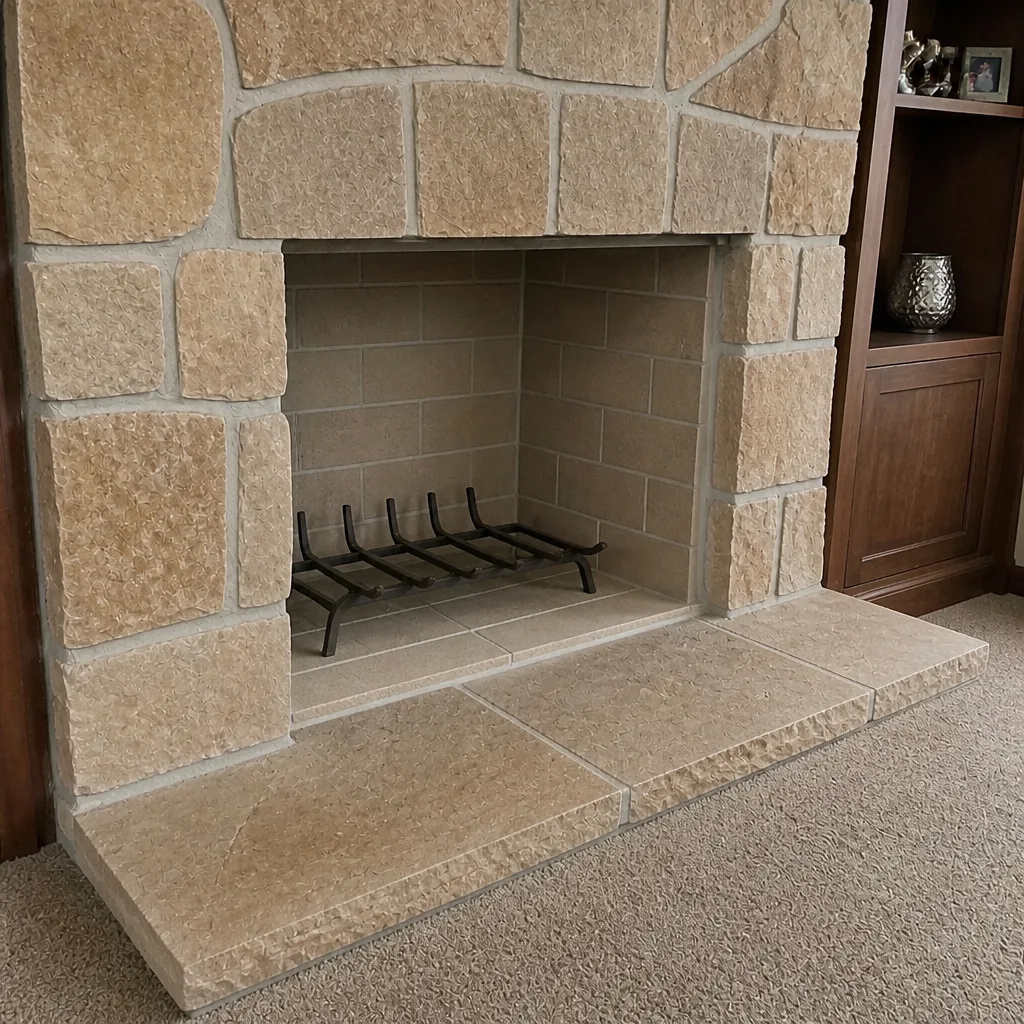
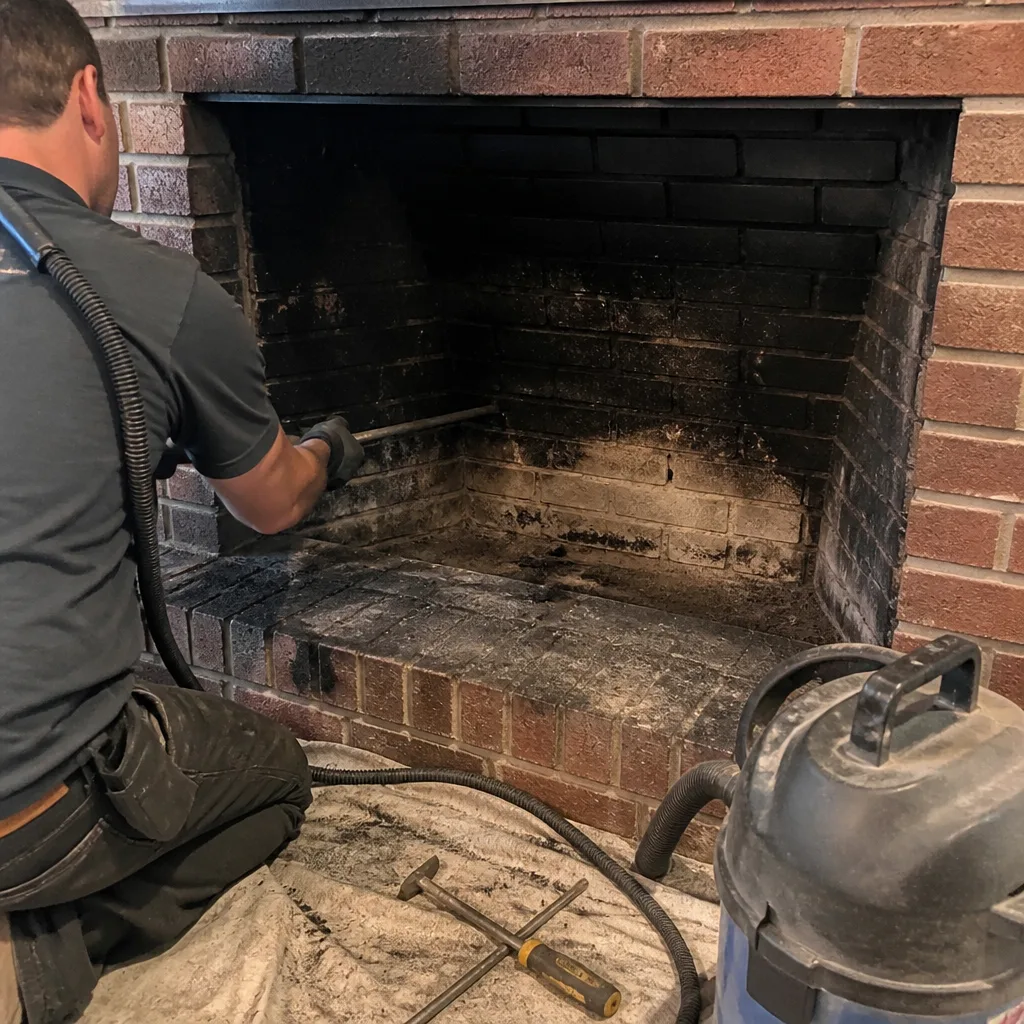
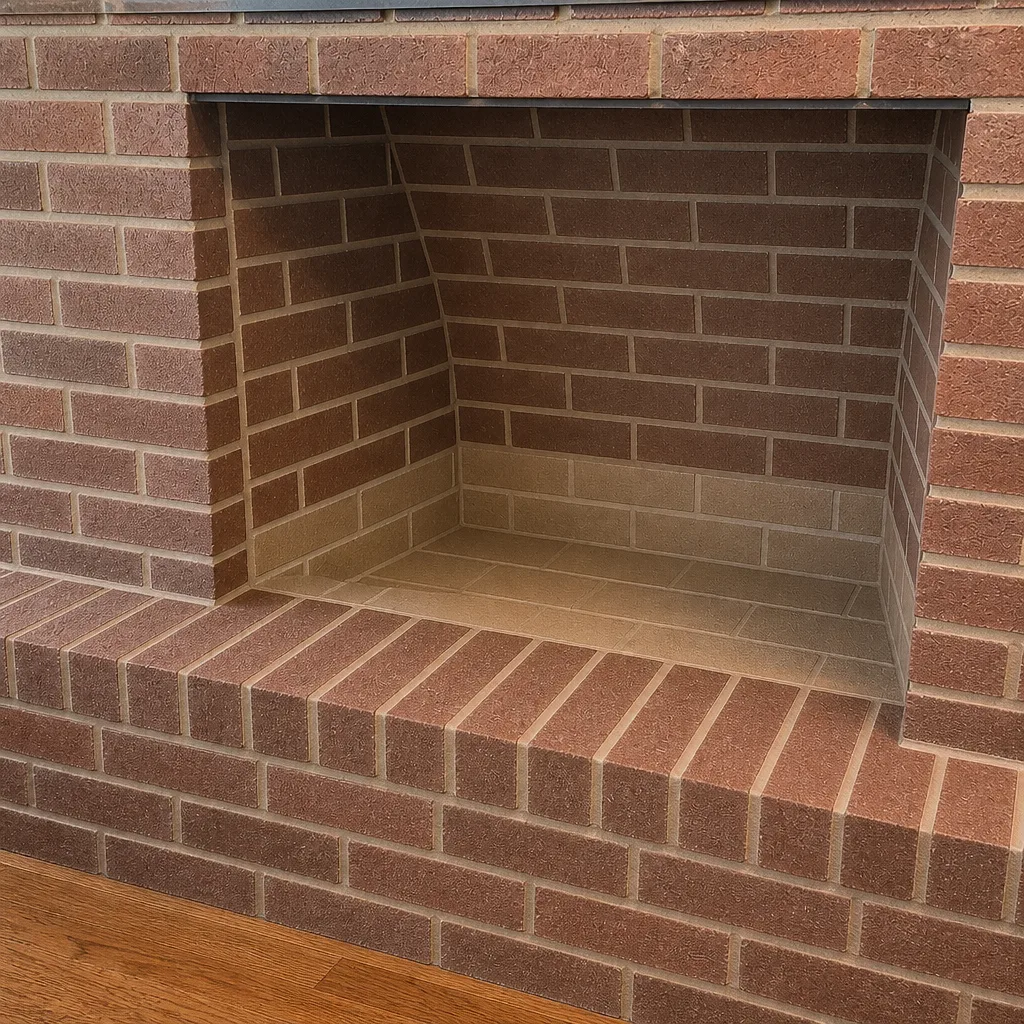
See the difference
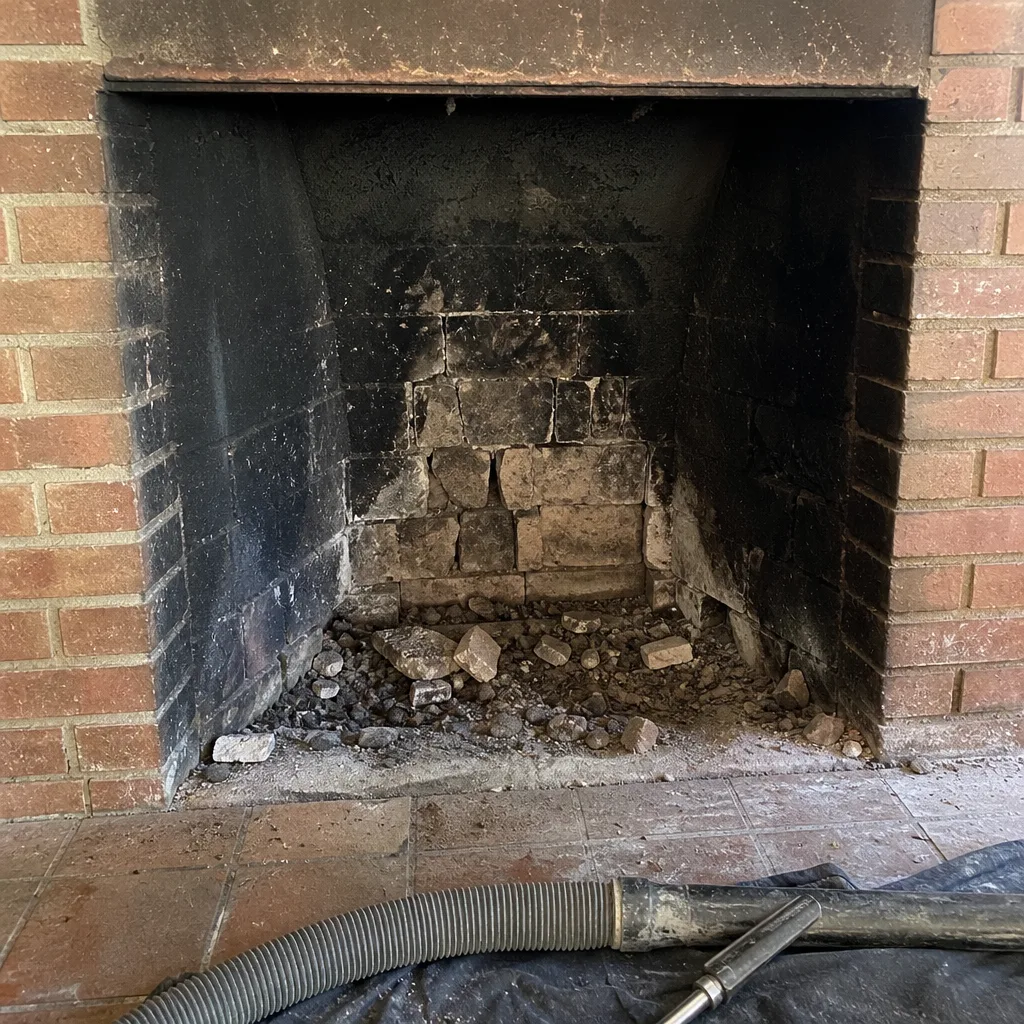 Before
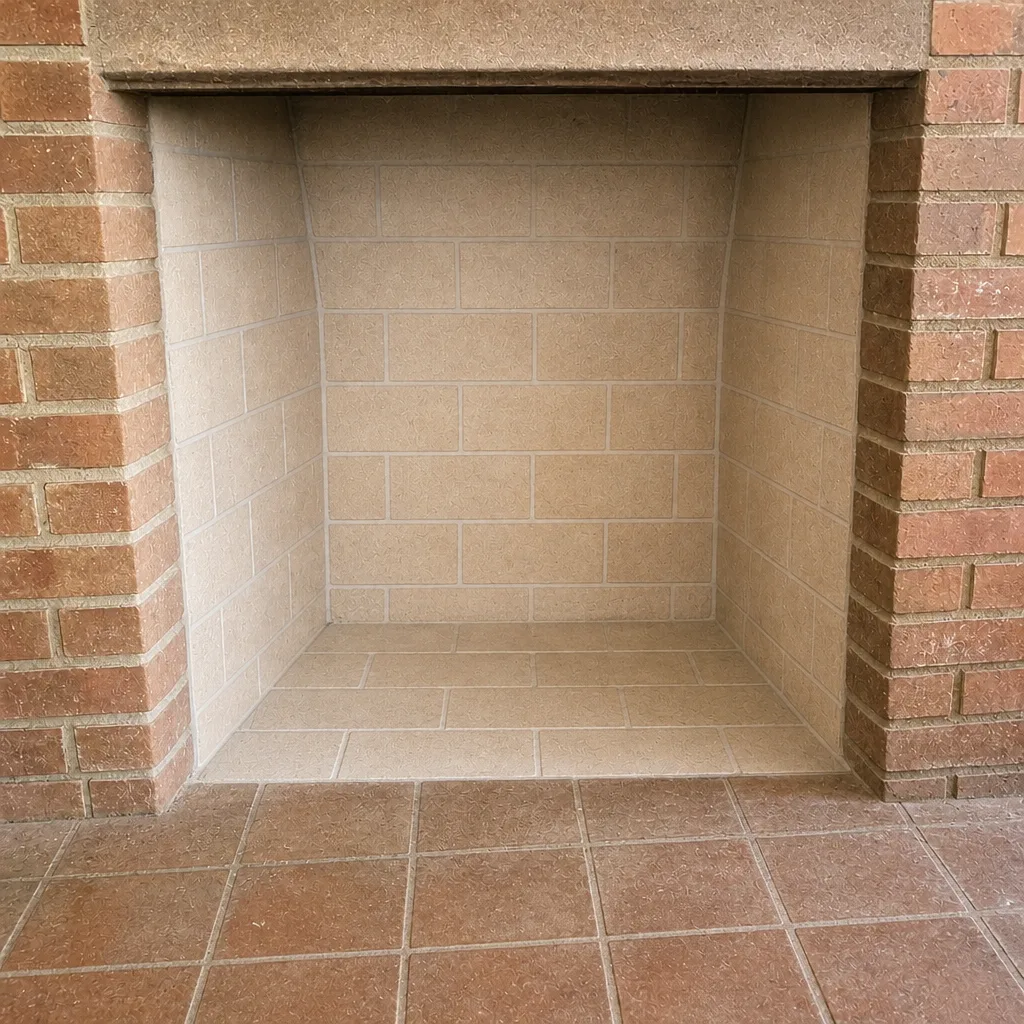 After
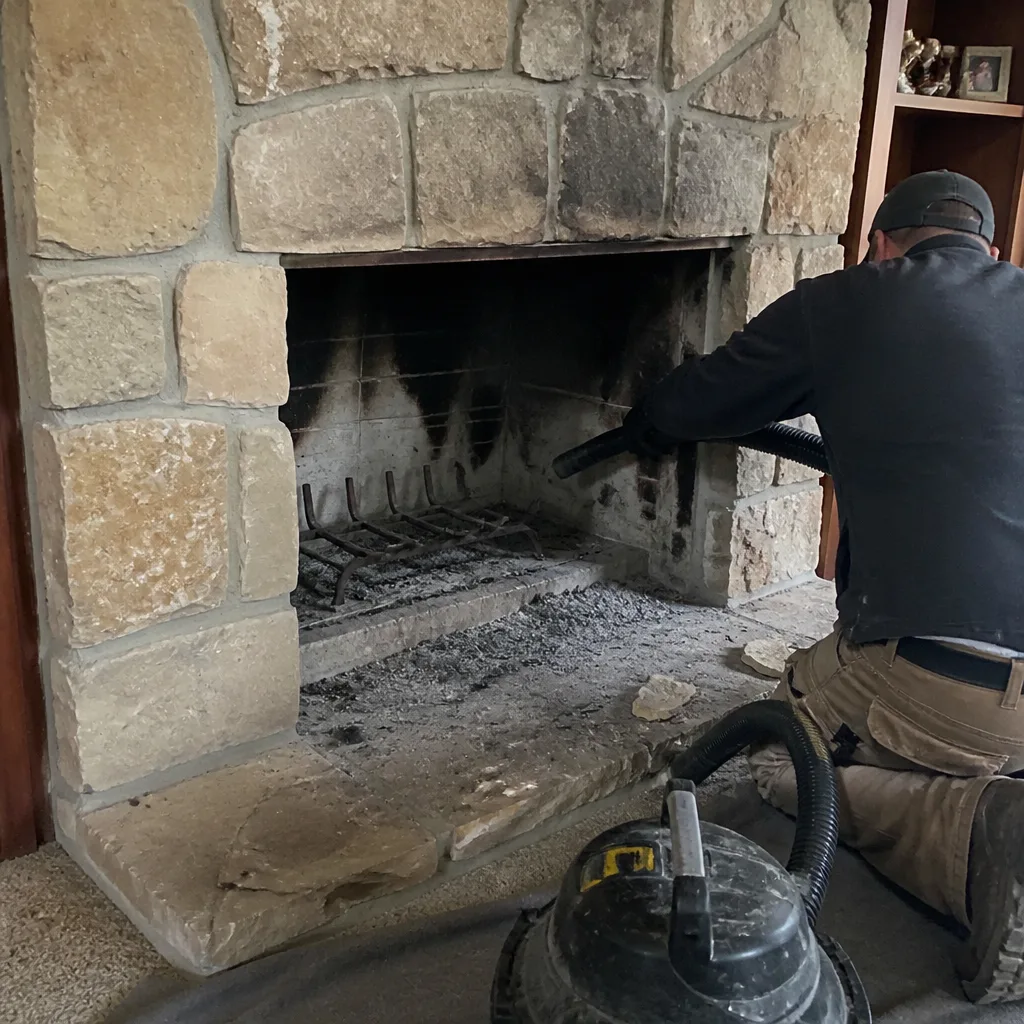 Before
 After
 Before
 After
When to Call a Professional
Most chimney work is seasonal and can be scheduled, but some situations should prompt a call sooner rather than later. If you smell a strong creosote odor in warm weather (which can signal a buildup that’s active in the flue), if smoke backs into the room when you light a fire, if you’ve had a chimney fire (even a small one), if there’s water staining on the firebox or masonry, or if your carbon monoxide detector has gone off near a gas appliance vent, call a professional rather than waiting for the regular annual sweep. Those are not emergency scenarios in the hospital sense, but they are scenarios where the diagnosis should happen promptly. For routine annual sweeps, the seasonal rule still applies: book ahead of the burning season rather than during it. Chimney Sweep Hamilton Lakes offers free estimates in Hamilton Lakes. Call (855) 766-2824. We answer 24/7. Fast dispatch from 7am to 7pm, Sunday through Friday.
Frequently Asked Questions
Most chimney sweeps in Hamilton Lakes fall into a typical estimated range based on the chimney type, its condition, and whether an inspection is included. The written estimate sets the final price, and estimates are free. Call (855) 766-2824 for an exact quote. Estimates are free.
Only when the existing liner has been shown to fail through camera evidence. Clay tile liners crack or spall over time, but the fix isn’t always a full reline. HeatShield liner restoration is a real option for deteriorated flue liners whose structure supports it, and it’s a much smaller job than relining. Ask to see the photo before you commit. Call (855) 766-2824 for an exact quote. Estimates are free.
Annual inspection is the standard. Actual sweeping depends on use: a wood-burning fireplace that runs through the season in a Hamilton Lakes home typically needs a sweep once a year, while a gas appliance that runs year-round may have different needs. A camera inspection reveals what the flue actually looks like. Call (855) 766-2824 for an exact quote. Estimates are free.
Creosote builds up in the flue, and at higher concentrations it is flammable. That’s the reason chimney fires happen. Skipping a sweep doesn’t cause a chimney fire on its own schedule, but it does remove your ability to know what’s in the flue. That’s the actual risk. Call (855) 766-2824 for an exact quote. Estimates are free.
When you choose a full-service company, yes. The inspection feeds directly into a repair estimate without a second visit or a second company. A sweep-only operation has to refer structural repairs out, which usually adds weeks of scheduling. Call (855) 766-2824 for an exact quote. Estimates are free.
Factory-built systems need the same annual inspection as masonry chimneys, and the parts involved (venting components, caps) come from specific manufacturers. A specialist who works with brands like Olympia Chimney and Famco can address draft and venting performance alongside a standard sweep. Call (855) 766-2824 for an exact quote. Estimates are free.
The Bottom Line
The right chimney cleaning brand in Hamilton Lakes is defined by its operating model, not its name. Look for a company that sends credentialed technicians, inspects with a camera, provides a written report with photos, and can diagnose and repair in-house. Check what brands it installs, since the material determines how long a repair lasts. Read reviews for specifics, not stars. And ask the seven questions above before booking. If the answers are solid, you’re working with a company that takes its own work seriously. If the answers are vague, keep looking. Either way, the estimate should be free, and the price should come from a written scope you’ve reviewed.
We built our service around these principles because we think homeowners deserve to see the evidence behind every recommendation. The written estimate is the final word on price. If a repair can safely wait, we’ll tell you.
Call (855) 766-2824 for a free estimate. We answer 24/7. Fast dispatch from 7am to 7pm, Sunday through Friday.
Written by the team at Chimney Sweep Hamilton Lakes.