
Last updated November 25, 2026
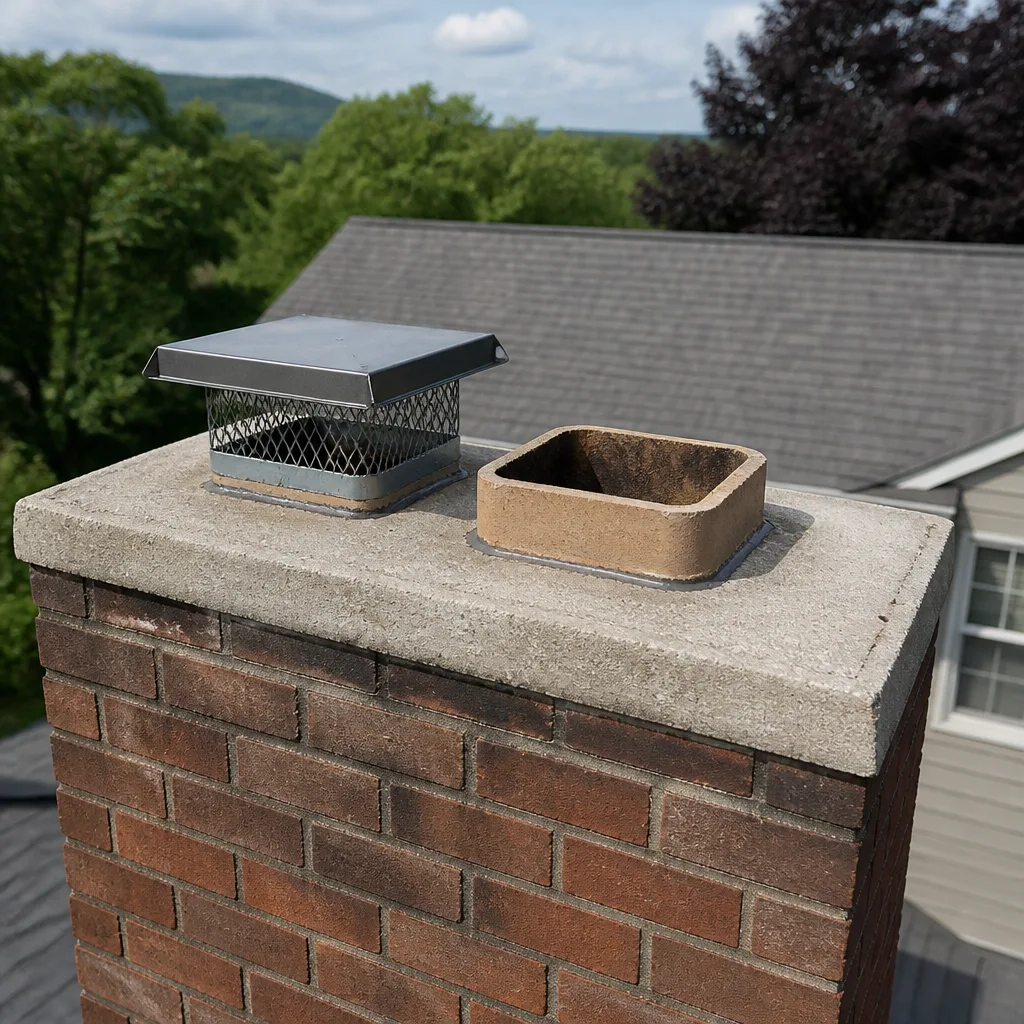 Sweep & inspection
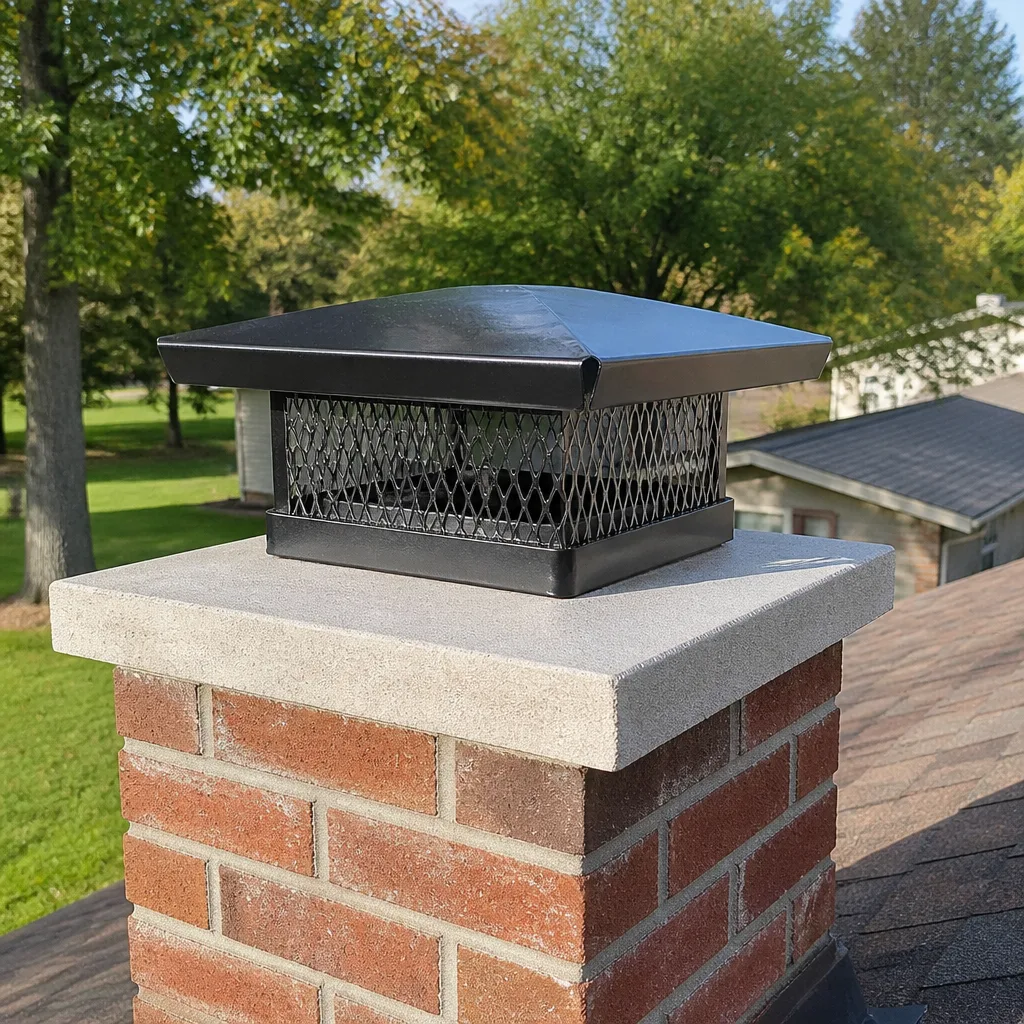 Caps & crowns
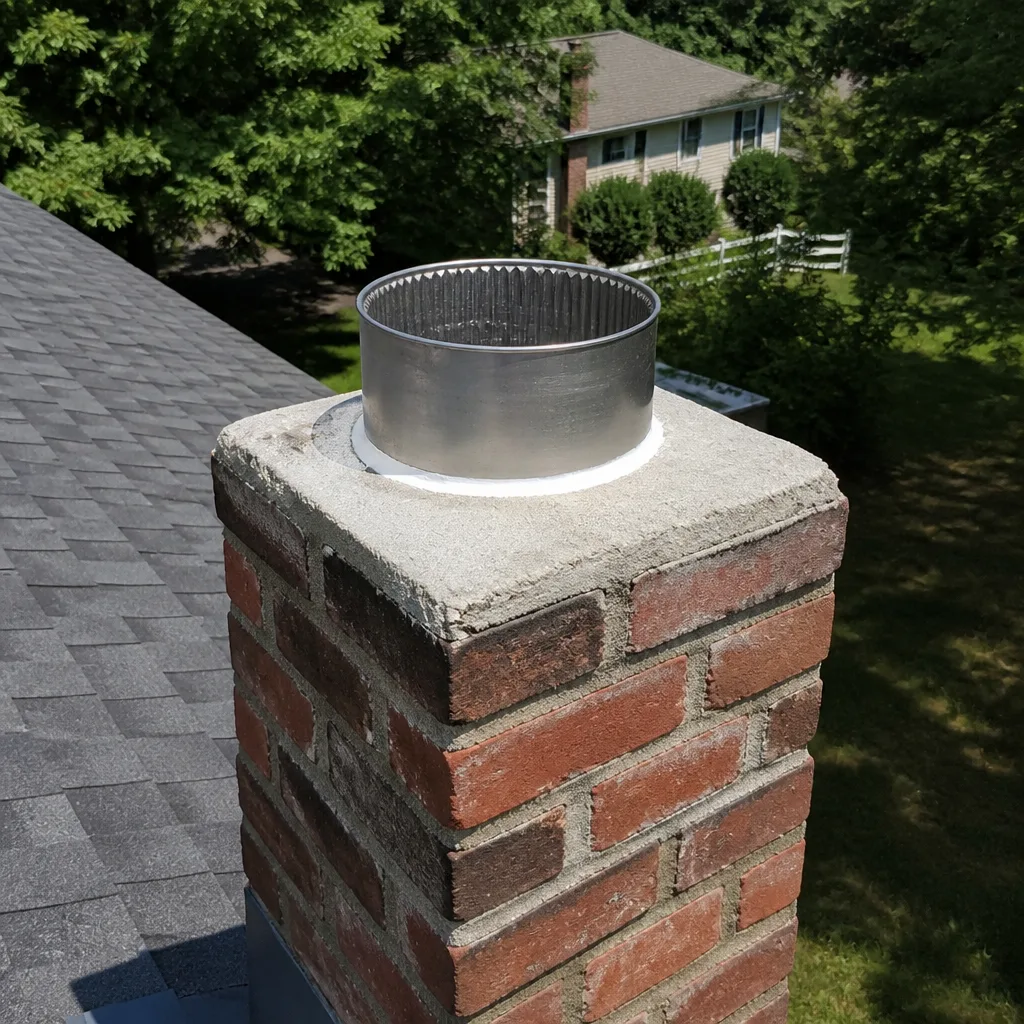 Flue relining
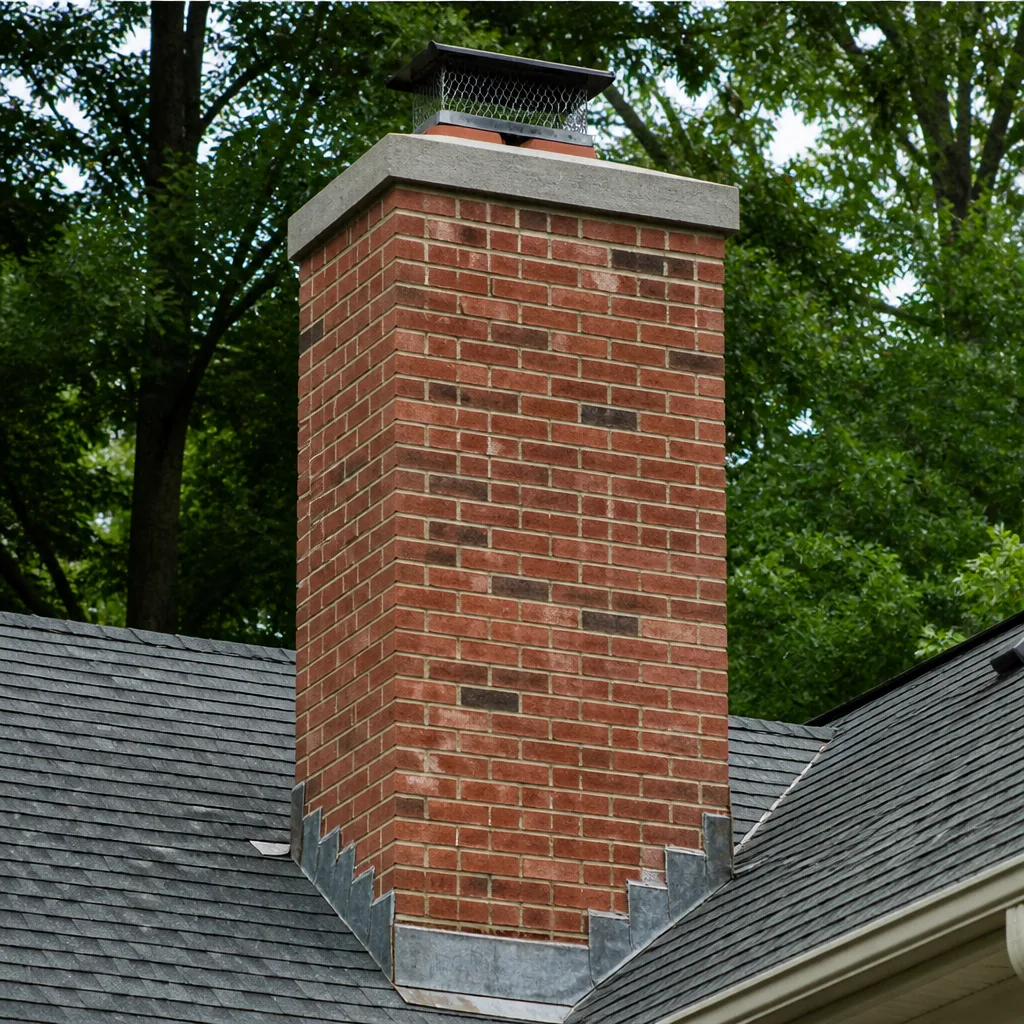 Masonry repair
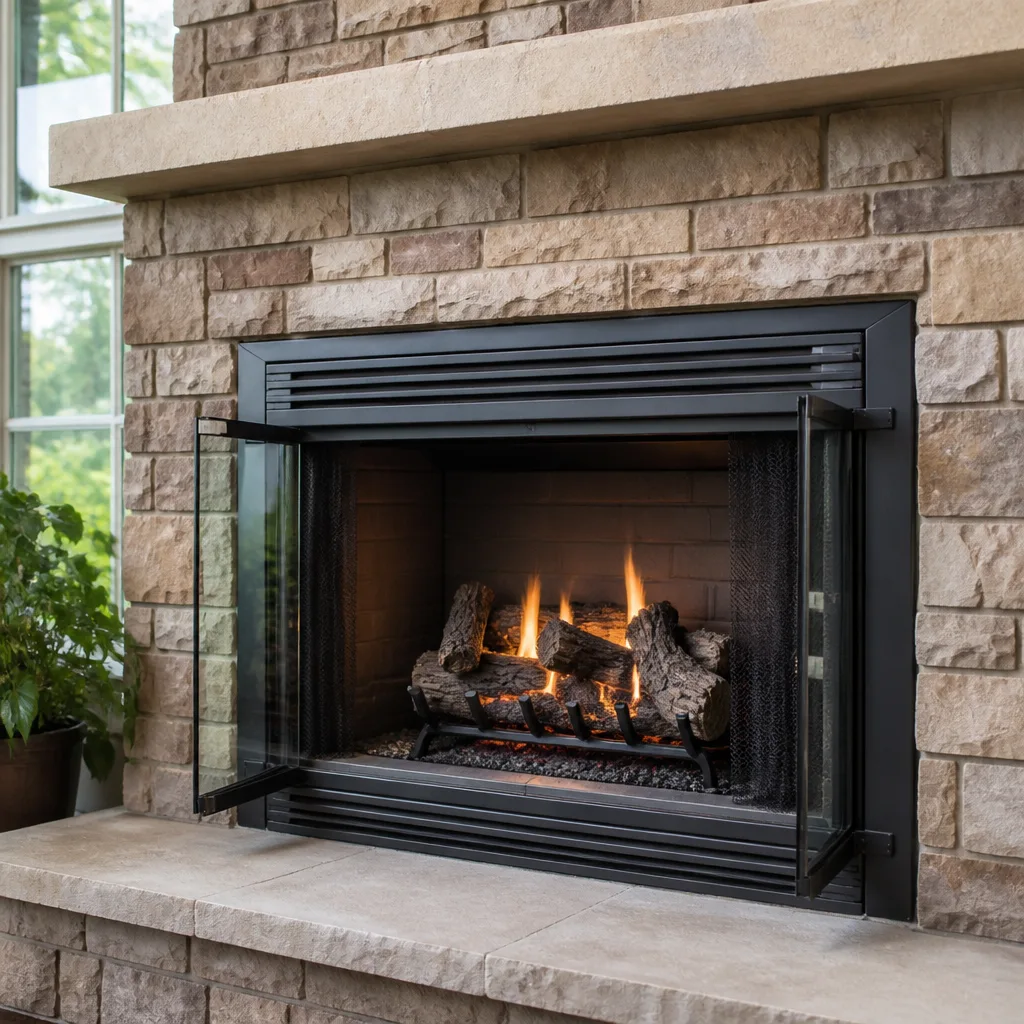 Gas fireplace service
Level 1 sweep and inspection to the NFPA 211 annual standard - flue, crown, cap, and flashing checked and photographed
Chimney sweep logs do not sweep chimneys. They loosen some creosote - which then falls where a brush and vacuum still have to collect it.
Chimney Cleaning Warning Signs: A Hamilton Lakes Homeowner’s Reference Guide
Most homeowners picture a chimney fire as something loud and obvious. In our experience, that picture is often wrong. Slow-burning chimney fires can smolder inside a creosote-loaded flue and go out before anyone notices, leaving heat-fractured tiles and glazed deposits behind for a technician to find months later. The subtler signs that lead up to that moment – smoke that lingers, an odor with a timing pattern, a white bloom on the brick – are easy to blame on the weather or the wood. This guide teaches you to read those patterns the way a specialist does. By the end, Hamilton Lakes homeowners will know which operational signs point to a draft problem, which structural signs point to water or liner trouble, and which ones mean it’s time to schedule a sweep.
Quick Answer
The warning signs that matter most are smoke spilling into the room when you light a fire, a persistent odor that appears in specific weather or seasons, visible white staining or spalling on exterior brick, and any crack in the chimney crown. Those four signs usually point to a draft issue, water intrusion, or liner deterioration – all of which a professional sweep and inspection can diagnose before they turn into structural repairs. A slow-fire chimney fire leaves no obvious evidence, which is exactly why an annual inspection matters more than waiting for a dramatic signal.
Styles & brands we work with
- Sweep & inspection
- Caps & crowns
- Flue relining
- Masonry repair
- Gas fireplace service
Table of Contents
- Operational vs. Structural Warning Signs
- Reading Odor: What Different Smells Tell You
- How Smoke Behavior Diagnoses Draft Problems
- The Slow-Fire Chimney Fire and How It’s Confirmed
- Animal Entry Signs and the Compromised Cap
- Warning Signs in Rooms Far From the Fireplace
- Masonry Clues: Spalling, White Staining, and Crown Cracks
- When to Schedule a Sweep vs. a Repair
Operational vs. Structural Warning Signs
The most useful distinction in chimney diagnostics is between how the system performs and what the system looks like. Operational signs show up while you burn – the fire smokes, the draw is sluggish, the room smells. Structural signs show up when you look at the chimney itself, inside or out. Mixing the two categories is the reason homeowners often misdiagnose the problem. A sluggish draft feels like a structural failure but is usually a venting or obstruction issue. Spalling brick looks like a cosmetic annoyance but almost always signals water getting into the masonry.
Here is how the two categories break down in practical terms.
- Operational signs: smoke rolling into the room on light-up, a fire that’s hard to start, visible backdrafting, an odor that appears after a burn, poor flame quality on a gas fireplace.
- Structural signs: white staining on the exterior brick, flaking or crumbling mortar, a visible crack in the crown, rust or corrosion on the damper, loose tiles inside the flue.
The reason the split matters is that most Hamilton Lakes chimney issues are tied to moisture – our region sees enough rain and enough freeze-thaw cycling in the cooler months to stress the masonry shell. When that water finds a way in through a compromised crown or cap, the structural signs appear first. The operational signs follow when the moisture has already reached the flue liner. If a homeowner calls because of smoke spillage, the conversation almost always widens to include the exterior of the chimney, because we need to know what walked in with the water.
We name what we find before we name a price. That’s the only way the homeowner can tell whether the finding is real or a sales script.
Reading Odor: What Different Smells Tell You
Odor is the most misread warning sign in chimney work, and it’s the one with the most diagnostic power. Most homeowners describe a smell as “smoky” and stop there. A technician listens for the timing and the character of the smell because each one points at a different failure. A musty smell means water. A barbecue smell in summer without a fire burning means the creosote is volatilizing. A sharp acrid smell while the fire is burning means the flue may be compromised.
Here’s how to decode what you’re smelling and when you smell it:
- Musty, damp, or “cellar-like” smell: points to water intrusion. The chimney is pulling moisture that entered through a crown or cap defect. The area is often cool enough to keep the smell from showing up in summer.
- Barbecue or smoky smell in summer, with no fire lit: creosote deposits are volatilizing in the heat, which signals enough accumulation to warrant a sweep. If the smell appears early in a warm spell, it’s actually a helpful warning that a deposit has built up.
- Sharp, acrid, or metallic smell during a fire: often points to a liner breach, where combustion gases are escaping the flue and leaking into the surrounding structure.
- Smell that arrives with a weather change: a drop in barometric pressure can force odor back into the room, and it usually means the flue’s draw is already marginal.
A common Hamilton Lakes version of this pattern is a fireplace that hasn’t been used in months and a smell that appears on the first warm day of spring. That’s the creosote volatilizing clue, and it’s the cleanest reason to book a sweep before the next burn season. A musty smell that persists after the fire has been out for days is the water-intrusion clue, and it usually gets worse with rain.
If you can describe the smell and the timing, we can plan the inspection around it, because each pattern leads to a specific diagnostic step. Our technicians have up to 11 years of experience reading those patterns.
How Smoke Behavior Diagnoses Draft Problems
Watch the smoke, not the fire. A fireplace that draws correctly pulls smoke up and out within a second or two of ignition, even before the flue has warmed. A fireplace that struggles spills a thin curtain of smoke into the room at light-up, stages up a backdraft when a door or window changes the pressure, or leaves an orange haze along the lintel. Those are all operational signs of a draft problem, and they’re worth diagnosing before someone starts opening windows to compensate during every burn.
Run through this sequence on the next fire you light:
- Strike a match at the firebox opening. If the flame bends upward and the smoke pulls clean into the flue, the draw is functioning.
- Light the kindling and watch the first 30 seconds. Light smoke spillage at initial ignition is normal; a lingering curtain is not.
- Note which rooms change the draw. If opening the front door or starting the bathroom fan pulls smoke into the room, the issue is often a house pressure imbalance rather than a blocked flue.
- Check the fire’s burn quality. A fire that struggles to catch, with dark smoke and lazy flames, usually points to a cold or obstructed flue.
- Notice smoke when the fire has burned down to embers. A flue that can’t hold a warm draft to the end of the burn often has a liner issue.
Draft problems in masonry chimneys split into three broad causes: obstruction (nesting material, fallen mortar, soot buildup), sizing (the flue is wrong for the appliance), and pressure (the house is too tight and pulls against the flue). The first is a sweep issue. The second often needs a properly sized liner. The third can sometimes be addressed with a makeup air solution. Our inspection narrows the cause before any repair quote, so you’re not paying to reline a chimney that only needed a clearing.
The reverse case is also real. A chimney that draws too hard on a gas appliance, or a masonry chimney serving a modern insert that was never properly lined, can vent poorly while appearing to burn fine. That’s the reason a chimney sweep appointment includes a visual inspection of venting as well as the flue itself. You can read more about the full scope in our Chimney Sweep Hamilton Lakes service overview.
The Slow-Fire Chimney Fire and How It’s Confirmed
Chimney fires don’t all announce themselves. The videos of a roaring chimney – often described as a freight train sound – represent the dramatic form. The slow-fire version happens when a thick creosote deposit ignites but can’t sustain a rapid burn. It can crawl through the deposit at a low heat, produce no obvious sound, and self-extinguish before anyone in the house realizes what happened. That’s why a technician finds the evidence on an inspection months later, not on the day it happened.
What a technician looks for when we suspect a past event:
- Glazed creosote. The deposit turns from a crusty, matte texture to a glazed, shiny, hard surface. That’s the fingerprint of a past burn hot enough to melt and re-bond the deposit.
- Distorted or heat-cracked flue tiles. Clay liners will show spiderwebbing, spalling at the seams, or a step-level crack that aligns with a past fire’s heat front.
- Warped damper components. The metal will show discoloration, a bow, or a partially frozen shaft that heat shouldn’t have produced.
- Char on the smoke shelf or at the top of the firebox. Any char inside the fireplace masonry that isn’t at the firebox face is worth a closer look.
The critical point is that a slow-fire event isn’t a minor issue just because it didn’t produce a dramatic incident. The liner tiles that were affected often can’t fully contain a subsequent fire, so a follow-up problem becomes a structural one. If we find the glazed deposits and liner distortion together, the conversation turns to relining, and that’s where capability matters. HeatShield resurfacing can restore a deteriorated liner in qualifying cases without a full liner replacement, and DuraFlex or Olympia Chimney liner systems cover the cases where replacement is the right answer. We work with both, and the choice depends on what the flue inspection actually shows.
If the evidence is that clear, we’ll flag it right away. If it isn’t, we’ll note it for the next inspection rather than quote a reline.
Animal Entry Signs and the Compromised Cap
A failed or missing cap is the most common way a chimney starts to fail, and it fails twice: once as a wildlife problem and once as a water problem. The signs of animal entry show up inside the firebox first. Nesting material is often the clearest – twigs, leaves, insulation, or shredded material in a heap at the damper, or resting on the smoke shelf where it doesn’t belong. Scratching sounds at night, particularly in a bedroom where the chimney chase runs up an interior wall, are the second clue.
Here’s the check sequence we recommend in Hamilton Lakes when a homeowner suspects animal entry:
- Shine a light up the firebox with the damper open. Look for material above the damper, not just ash at the firebox floor.
- Look up the exterior of the chimney. A missing cap is visible from the ground with a pair of binoculars. A damaged cap, a rusted top plate, or a cap that has slipped off-axis is equally telling.
- Check for water staining at the firebox. Animal entry and water entry travel the same path, and both should be treated before the next burn.
- Look inside the cap mesh. A cap with a torn or missing spark screen allows animals in but also allows rain into the flue.
The dual problem is the important part. A cap that’s been knocked loose by wildlife allows water into the flue, which accelerates masonry deterioration. That’s why chimney cap & crown work is a preventive service and not just a cosmetic one. Installing a correctly sized cap closes the entry point for both the animal and the water, and stopping water intrusion before it reaches the flue liner is much less costly than rebuilding the crown after a season of freeze-thaw damage.
If you hear scratching in the chase, the practical advice is to wait for the animal to leave before calling. A sweep scheduled while a nest is occupied can turn into a humane removal problem, and that’s outside the scope of a chimney service.
Warning Signs in Rooms Far From the Fireplace
Chimney problems don’t stay at the chimney. Some of the most important warning signs appear in rooms that share a chase or sit on the floor above. A second-floor ceiling stain that sits above the path of the chimney chase is a structural warning sign. Damp drywall along the chase, particularly after heavy rain, is water migrating down the exterior of the flue. These are signs most homeowners dismiss as roof leaks, and that assumption can delay the right fix.
The safety-critical category in this group is carbon monoxide. A properly venting chimney carries combustion gases up and out without entering the living space. When the flue is blocked, cracked, or losing draft, those gases can backdraft into rooms that share the chase, not just the fireplace room. The commonly described warnings – headaches, dizziness, nausea that improve when you leave the house – are worth taking seriously. A carbon monoxide alarm anywhere on the same level as the fireplace or above the chimney chase is a minimum safety measure, and if one reads positive, the fire should stay out until the chimney has been inspected.
The other room-away signs to watch for:
- Second-floor ceiling stain. Above the chase, this is the first sign of a crown or flashing leak.
- Damp drywall or peeling paint along the chase. Often the first visible sign of masonry absorbing water.
- Carbon monoxide alarm at the fireplace level or above. Any read triggers an inspection before the next fire.
- Cold drafts in a room above the fireplace. A sign the damper or top-seal is failing, and a chimney that isn’t holding a seal also isn’t holding a draft.
If a CO alarm has triggered, the fastest action is to stop burning, ventilate the space, and call for a professional inspection. We answer 24/7. A call outside dispatch hours is booked into the next opening, Sunday through Friday, 7am to 7pm.
Masonry Clues: Spalling, White Staining, and Crown Cracks
Weather shows on the brick before it shows inside the fireplace. Spalling is the word for brick faces that flake and peel – it happens when moisture penetrates the brick, expands in the cold, and forces the outer surface away. White staining (efflorescence) is the salt bloom that appears on the brick when moisture migrates through it. A crack in the crown is the reason for both. Water enters the crown at the crack, travels into the masonry below, and expands and contracts through the seasons.
The pattern in Hamilton Lakes follows the freeze-thaw cycle of the cold months. A crown with even a hairline crack can channel several seasons’ worth of rain into the chimney’s core. Over time, mortar joints open, brick faces flake, and the crown itself begins to separate from the flue. That’s when a crown repair becomes a crown rebuild, and a crown rebuild eventually forces a rebuild of the top sections of masonry.
The exterior check we recommend at the start of every heating season:
- Look at the crown from the ground. A flashlight at dusk, or a pair of binoculars from a step ladder in daylight, will show cracks clearly.
- Scan for white staining on the brick. A thin veil of white is the early sign; heavier deposits after rain tell you the moisture path is established.
- Check for spalling at the base of the brick faces. If the brick is flaking, moisture has already cycled through the freeze-thaw cycle at least once.
- Check the mortar joints for open or recessed joints. A recessed joint where the mortar has washed out is a direct path for water.
- Look at the flashing where the chimney meets the roof. A gap at the flashing is often the entry point that gets blamed on the crown.
Cap and crown work is the preventive-maintenance side of chimney repair. Copperfield copper caps, Gelco masonry materials, and the crown coatings we apply in Hamilton Lakes are all in service of the same goal: keep water out of the flue before it becomes a rebuild. We name the brands we install because materials matter as much as labor. If the crown is failing on your chimney, the cost ratio between a crown repair this season and a rebuild two seasons from now is significant, and the measurement is a visible one you can inspect yourself.
When to Schedule a Sweep vs. a Repair
The single most common misread in chimney work is booking a sweep for a repair problem, or booking a repair for a sweep problem. The signs overlap, and the cost difference between the two is where real money gets spent. Here’s the split we use.
Book a sweep if:
- The last cleaning was more than a full burn season ago and the fireplace has been used regularly.
- The fire is slow to catch or smokes at ignition, but there’s no odor problem at other times.
- A barbecue smell appears on a warm day without a fire burning (creosote volatilizing).
- You’re starting a new season or have just moved into a home with a chimney you haven’t had inspected.
Book a repair quote if you see any of the following:
- Spalling brick, white staining, or a crown crack visible from the ground.
- An odor of acrid, metallic smoke during a fire (possible liner breach).
- Water staining at the firebox or on the second-floor ceiling along the chase.
- Animal nesting material inside the firebox, or a missing cap visible from the ground.
In practice, most homeowners need both, and the appointment starts with an inspection so the sweep and the repair finding come from the same visit. That’s why our inspections produce a photo report. The finding is visible to you before the quote, and that’s the only way to judge whether a recommended reline or crown rebuild is warranted. You can see the scope for fireplace repair in the same visit, which is the part of the process most homeowners tell us they appreciate: one call, one diagnosis, one written estimate.
Common Mistakes to Avoid
- Waiting for a dramatic warning sign. A slow-burning chimney fire often produces no sound and no obvious damage, and by the time the liner shows heat damage, the repair is structural, not cosmetic. The annual inspection is the only reliable way to catch it early.
- Blaming a smoke problem on the wood. A fire that smokes at ignition is almost always a draft or obstruction issue, and the change of firewood will not fix a blocked flue. A sweep identifies the cause before you buy another cord of seasoned wood.
- Ignoring a smell that only shows up in summer. The barbecue scent that appears on the first warm day is creosote volatilizing in the heat. It’s a diagnostic clue, and treating it as normal is the single biggest reason deposits build to the point of a slow-fire event.
- Treating a crown crack as cosmetic. The crown is the water-shedding cap of the masonry. A hairline crack that runs through several freeze-thaw cycles in Hamilton Lakes winter weather can turn a crown repair into a rebuild of the top of the chimney.
- Deciding a “cheap cap” is fine. A cap sized wrong for the flue allows water in and obstructs the draft out. The two problems overlap, and both are simpler to fix on the installation than after a season of moisture damage.
- Assuming a carbon monoxide alarm only matters on the fireplace level. Gas can backdraft into rooms along the chase, including second-floor bedrooms. If a CO alarm reads positive anywhere in the house, stop burning and call for an inspection.
- Booking a sweep and a separate repair quote. The coordination gap between the two is where the timeline gets lost. A chimney specialist able to do both in one visit is the reason we run inspections first and quote from the report.
See the difference
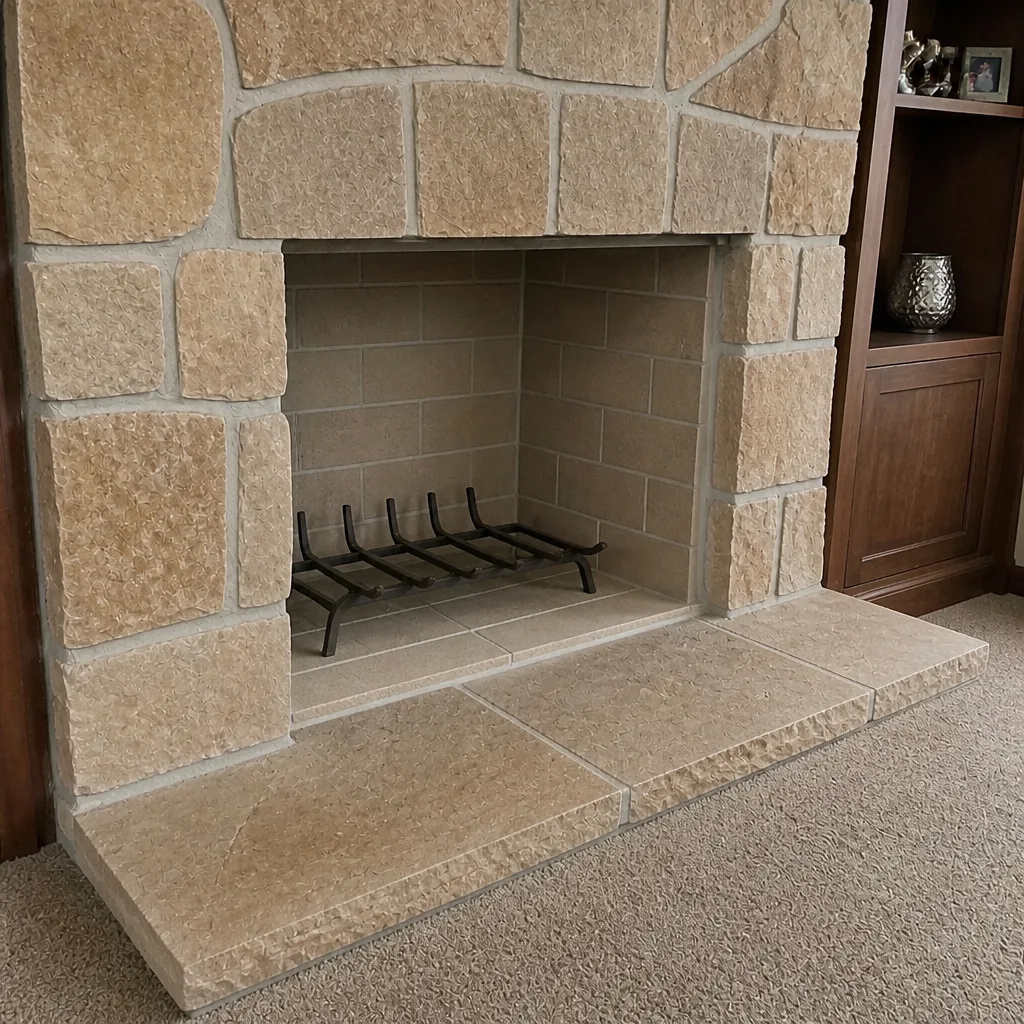
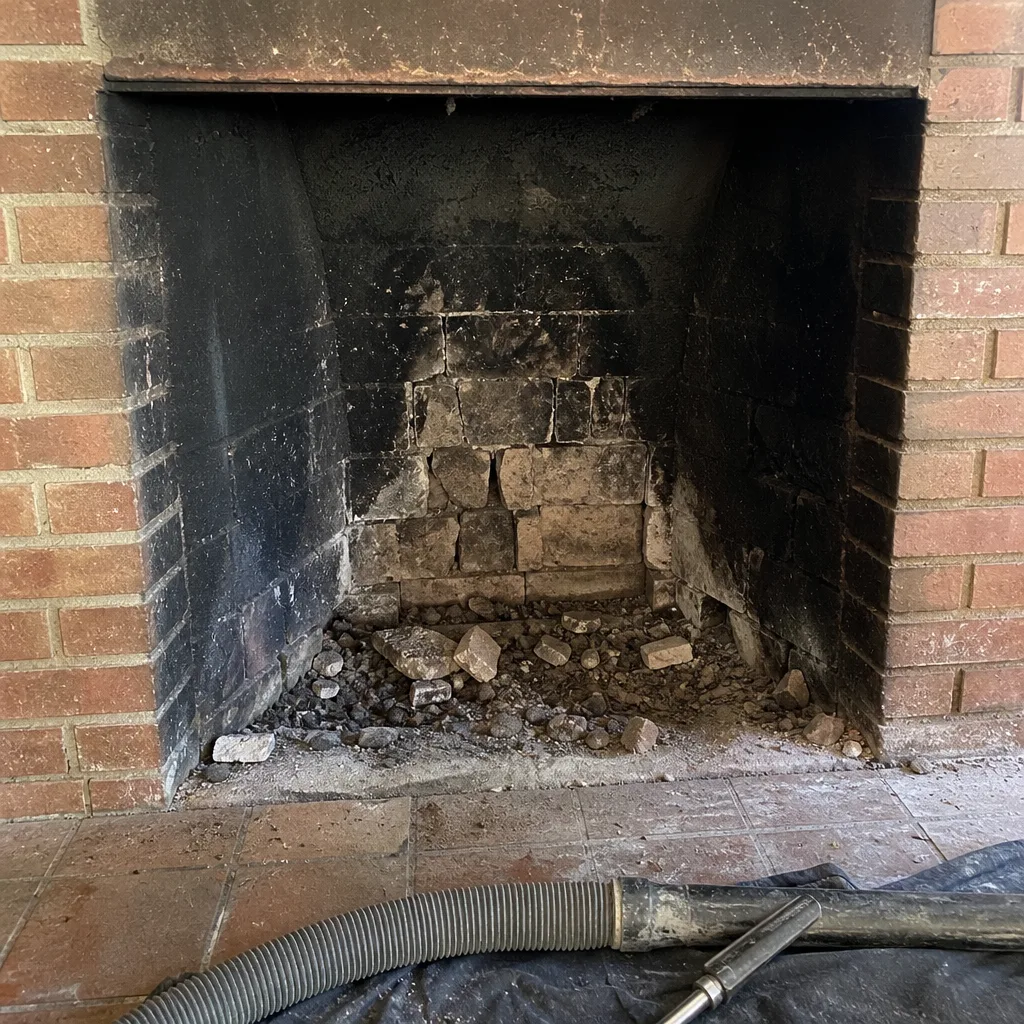 Before
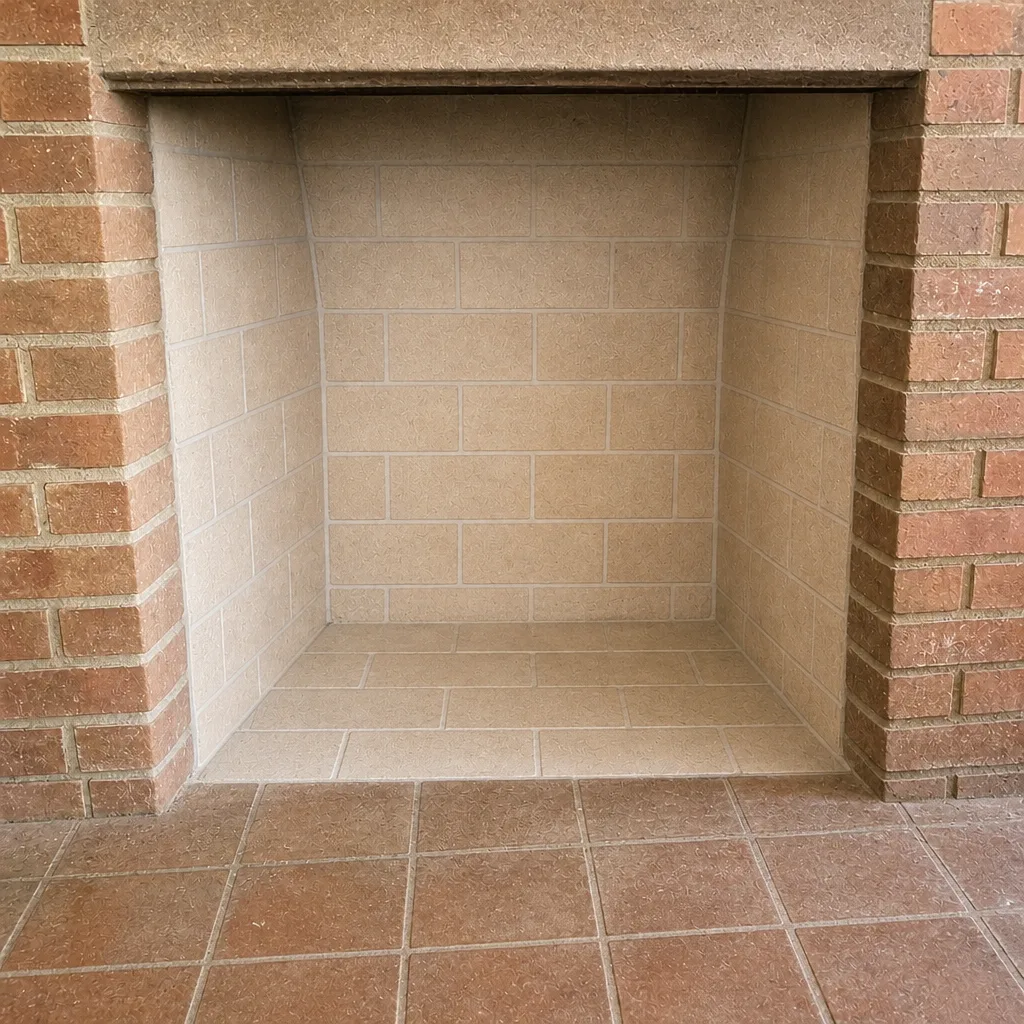 After
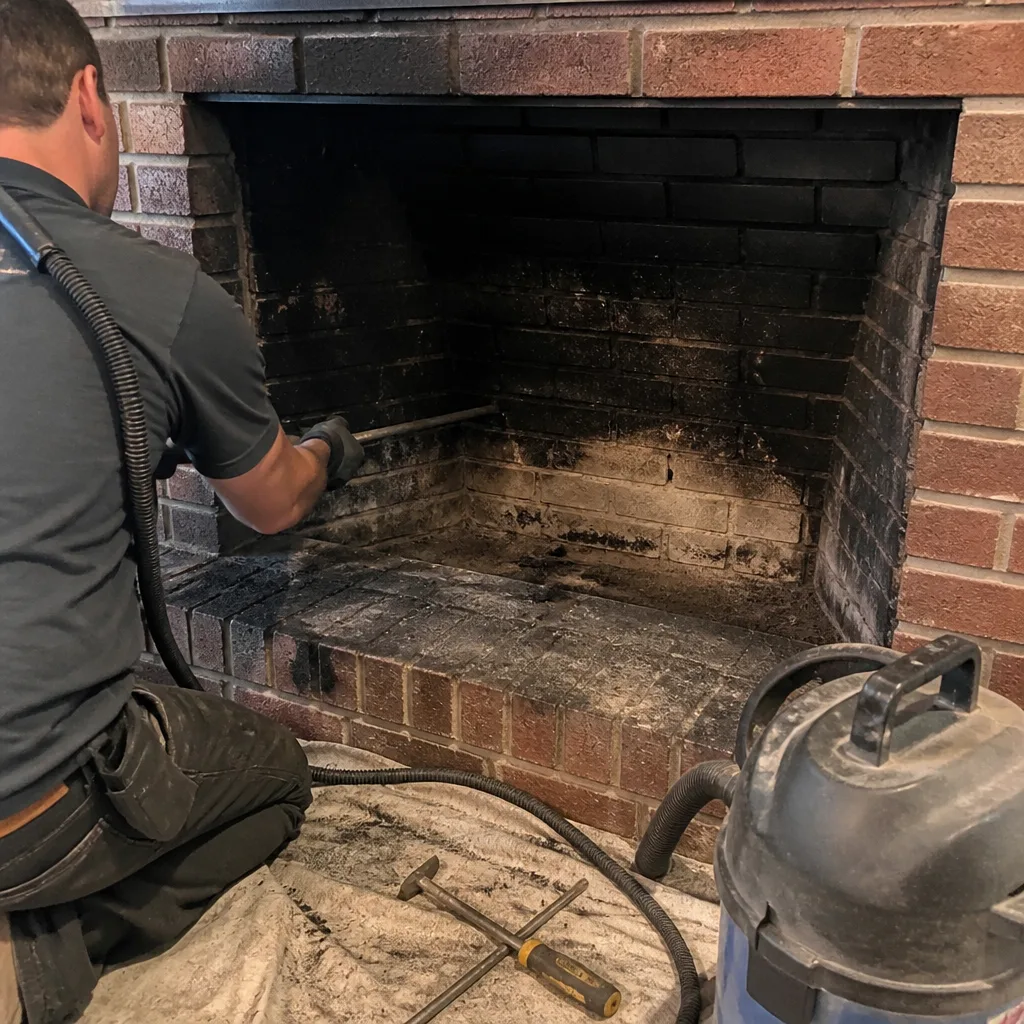
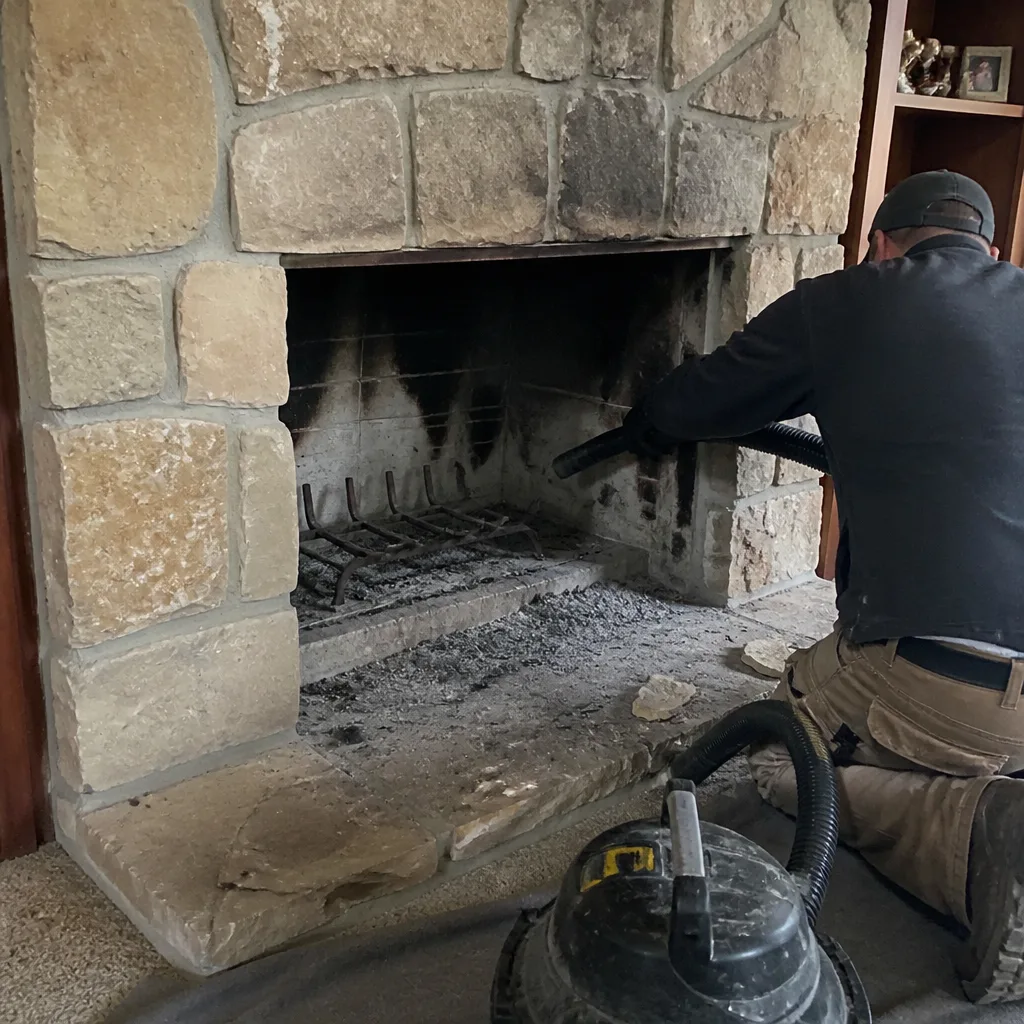 Before
 After
 Before
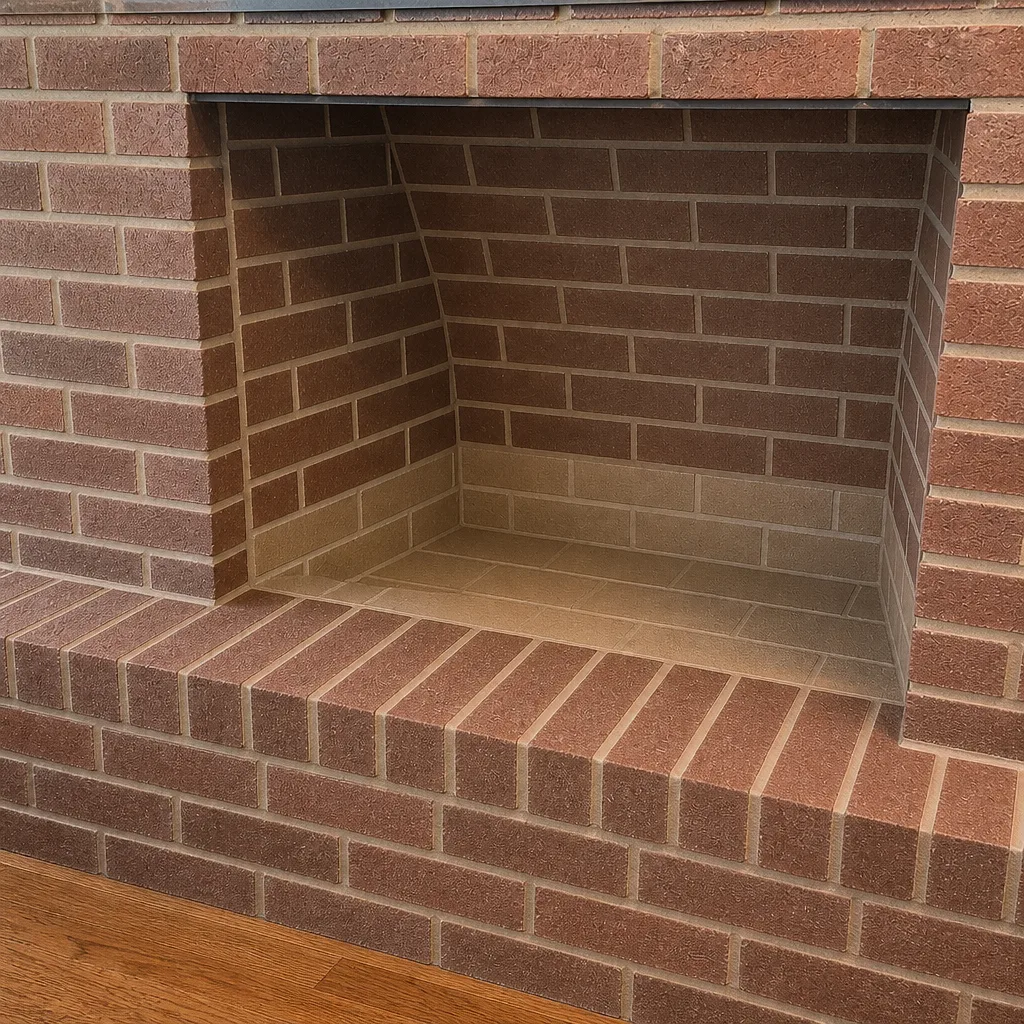 After
When to Call a Professional
Call a chimney professional when you see any of the structural signs above – spalling brick, white staining, a crown crack, or water staining in the firebox or on the ceiling above the chase. Call when a carbon monoxide alarm has triggered anywhere in the house. Call when you smell an acrid, metallic odor during a fire, or when nesting material appears inside the firebox. Call when a fire that once burned cleanly now smokes at every ignition, particularly if the change is recent. And call when the last sweep on the chimney is older than a burn season – a slow-fire chimney fire leaves no obvious sign, so the inspection is what catches the subtle cases in Hamilton Lakes.
Chimney Sweep Hamilton Lakes offers free estimates in Hamilton Lakes. Reach us at (855) 766-2824. We answer 24/7 with fast dispatch from 7am to 7pm, Sunday through Friday. The estimate is free and the price is set per job by the written estimate, so the number you see before we book is the number that gets upheld after the work is done. We work with DuraFlex, HeatShield, Gelco, Olympia Chimney, Famco, and Copperfield, and our technicians have up to 11 years of experience.
Frequently Asked Questions
A standard chimney sweep is typically quoted per job, and the written estimate sets the final price. On top of the sweep, a Level I or Level II inspection is often included or quoted alongside, and any repair – cap, crown, liner – is priced separately from that inspection report. Call (855) 766-2824 for an exact quote. Estimates are free.
Only when the inspection shows it. A liner with hairline cracks, a heat-distorted clay tile, or a failed seam warrants repair. In cases where the liner is deteriorated but structurally sound, HeatShield resurfacing can extend the life of an existing flue without a full liner replacement, and that’s often the better answer than either a full reline or waiting. If the inspection shows a liner still in service condition, we’ll say so. Call (855) 766-2824 to book an inspection.
Once per year is the standard for a fireplace used regularly during the heating season, and more often for a chimney with heavy use or a wood stove. The annual inspection catches slow-fire damage, liner deterioration, and early crown cracks that a homeowner would otherwise miss. Call (855) 766-2824 to schedule the next sweep before the burn season starts.
Creosote deposits build in the flue, and with each burn season they harden and can ignite with a slow-fire event or a sudden chimney fire. The liner’s heat tolerance erodes, moisture from an uncapped crown finds its way into the masonry, and a crown repair turns into a rebuild. Skipping the sweep doesn’t produce a dramatic moment; it produces a quieter, more expensive one. Call (855) 766-2824 for a free estimate on a sweep and inspection.
It often produces no audible roar and no obvious indoor sign. The evidence shows up during a later inspection as glazed or pitted creosote, heat-cracked flue tiles, or a warped damper component, because the slow burn doesn’t have the heat or the oxygen to make a dramatic event. If your chimney has burned heavily in the past few seasons without a sweep, the inspection is the only reliable check. Call (855) 766-2824 to book one.
Yes, a musty or damp smell usually points to water intrusion through a crown crack, a missing cap, or a flawed flashing. The smell often appears after rain or in cooler weather and is one of the earliest structural signs a homeowner can catch, which makes it a good prompt for a crown and cap inspection. Call (855) 766-2824 for a free estimate in Hamilton Lakes.
The Bottom Line
Chimney warning signs fall into two families: how the system performs while you burn, and how it looks from the outside. The operational signs – smoke at light-up, sluggish draft, a persistent odor – point to the flue’s draw. The structural signs – spalling brick, white staining, a crown crack, water in the firebox – point to moisture getting into the masonry. The slow-fire chimney fire is the reason the annual inspection matters more than the visible alarm, because it can burn quietly and leave its only evidence on a liner tile the homeowner never sees. Our technicians have up to 11 years of experience reading both families of signs. If any of the patterns in this guide sound familiar, the next step is an inspection and a written estimate, and that’s the entire conversation.
Written by the team at Chimney Sweep Hamilton Lakes.