
Last updated November 25, 2026
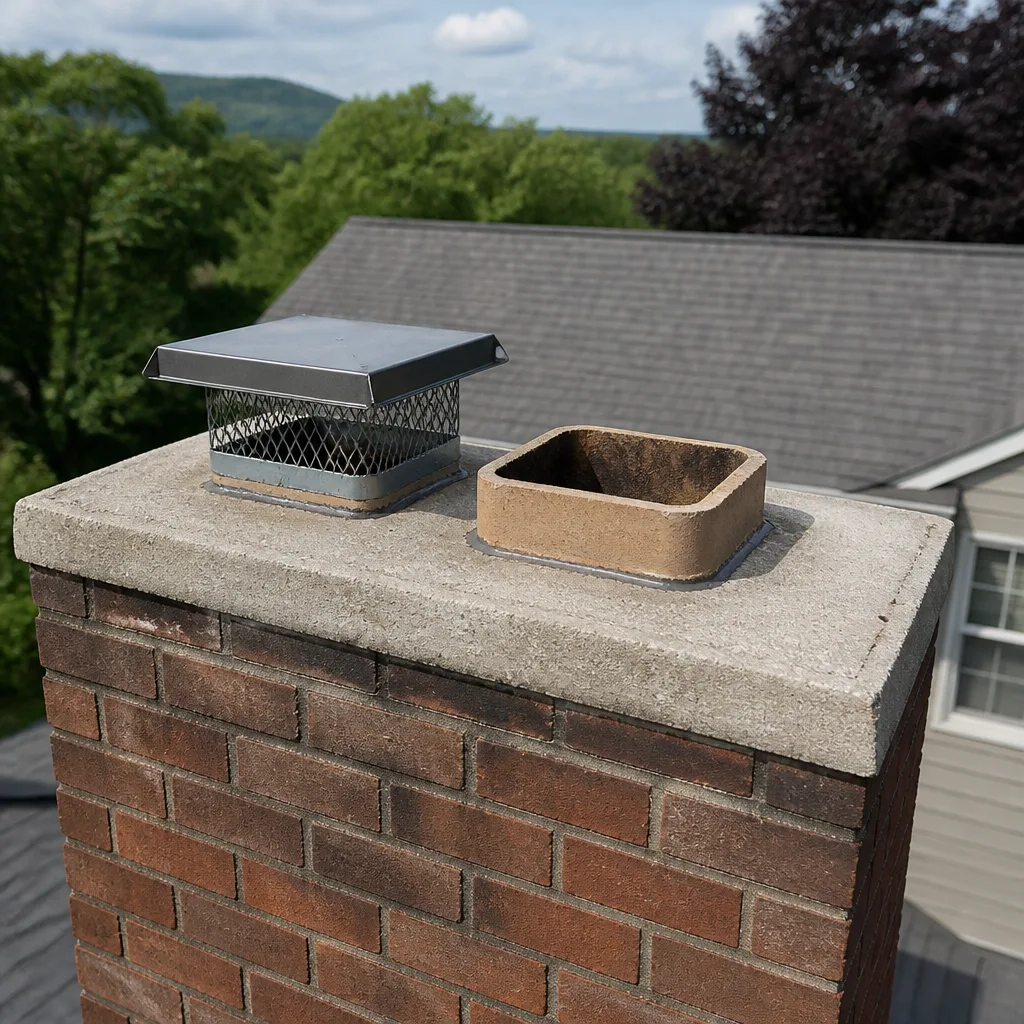 Sweep & inspection
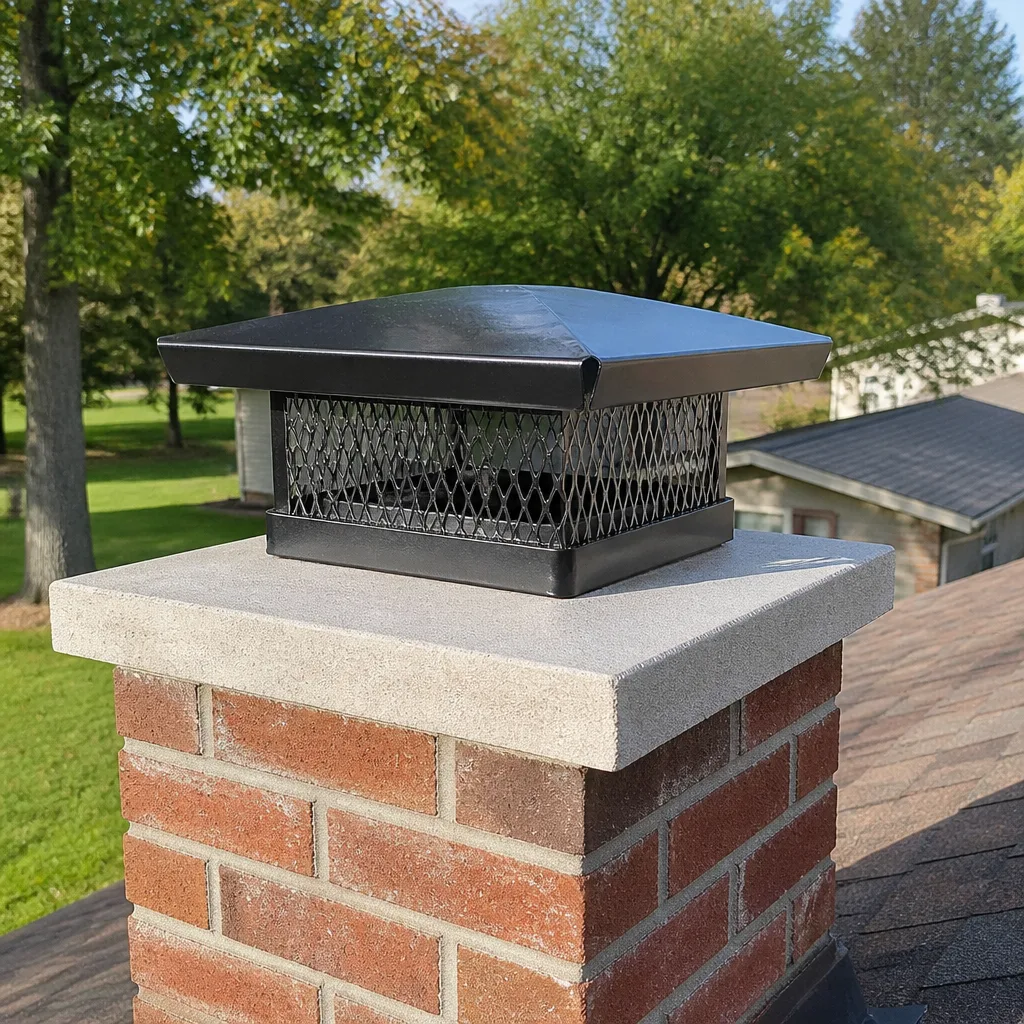 Caps & crowns
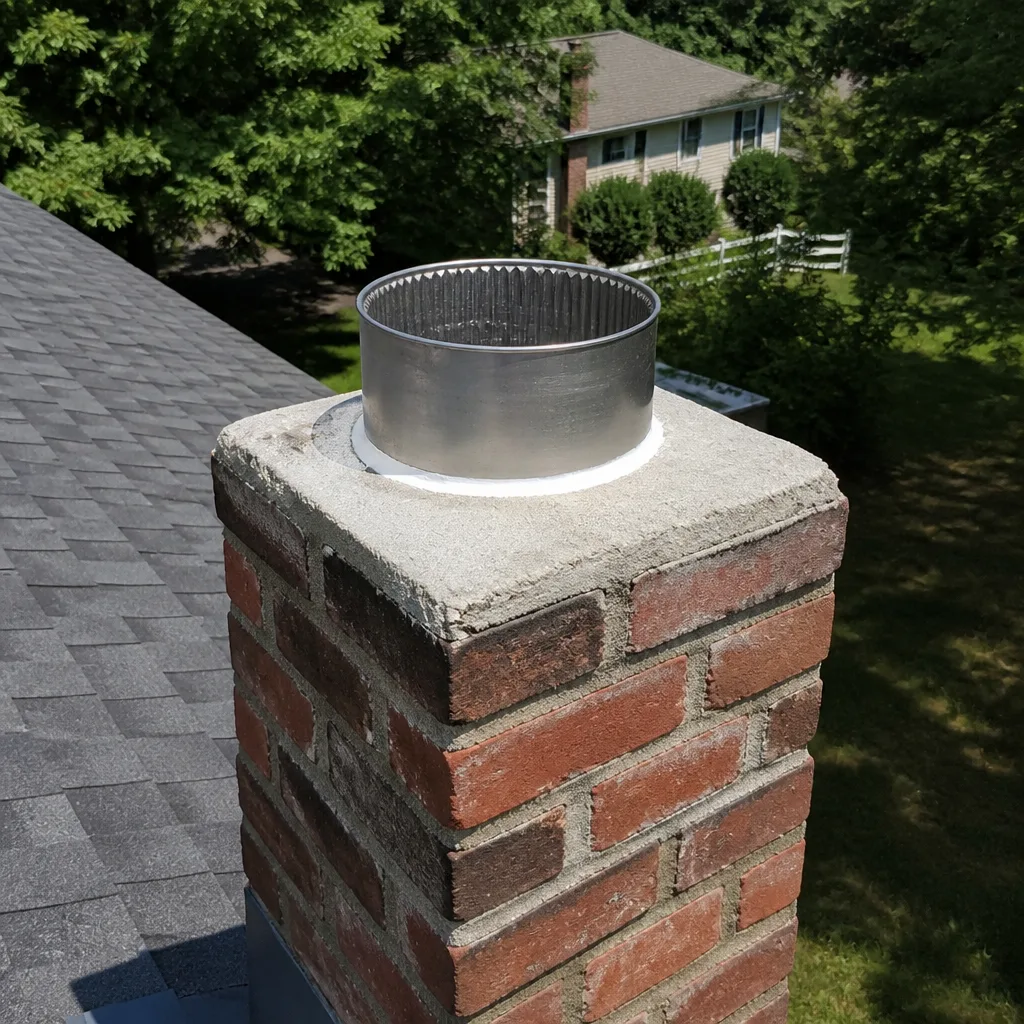 Flue relining
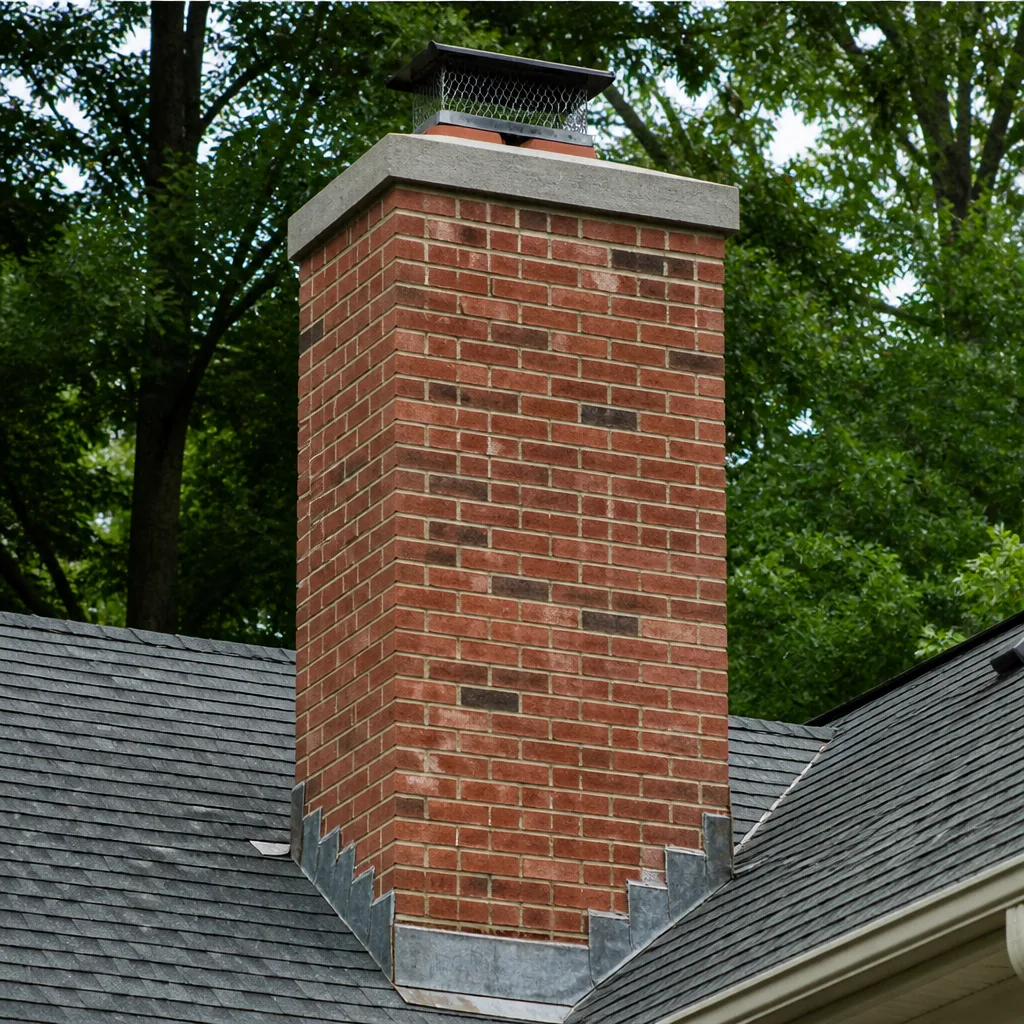 Masonry repair
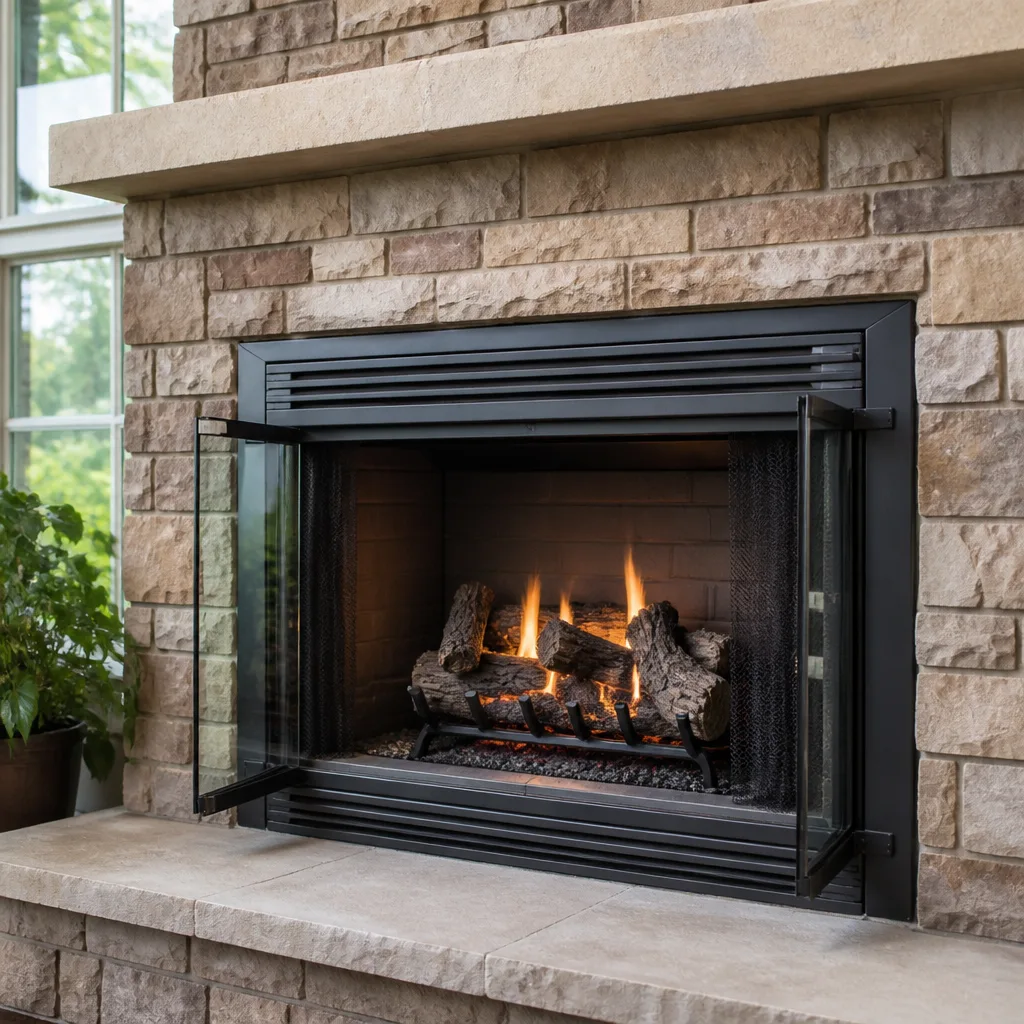 Gas fireplace service
Level 1 sweep and inspection to the NFPA 211 annual standard - flue, crown, cap, and flashing checked and photographed
Chimney sweep logs do not sweep chimneys. They loosen some creosote - which then falls where a brush and vacuum still have to collect it.
Chimney Cleaning Permits, Codes & Inspections in Hamilton Lakes, NC: What You Need to Know
The misconception we run into most often in Hamilton Lakes is that any work on a chimney is either maintenance (no paperwork) or an emergency (paperwork later). The truth sits in the gap between those two ideas, and it’s a gap that costs homeowners real money. A routine sweep genuinely requires no permit. A flue liner replacement, a firebox rebuild, or a new gas insert almost always does, and the permit trail matters when you sell the house or file a claim. If a contractor replaces your liner without pulling a permit in North Carolina, an insurer can point to a non-compliant installation when a fire-related claim comes in. That’s a claims denial pattern, not a scare story, and it starts with not knowing which jobs need which approvals. This guide draws that line for Hamilton Lakes homeowners.
Quick Answer
Routine chimney cleaning in Hamilton Lakes requires no permit of any kind. Work that changes the structure or venting of the chimney, such as liner replacement, firebox reconstruction, or gas appliance installation, is governed by the North Carolina Residential Code and generally requires a Mecklenburg County building permit pulled by a licensed contractor. Inspections are separate from permits: an annual Level I inspection is recommended for every chimney, and a Level II inspection is required whenever a liner, flue, or appliance changes.
Styles & brands we work with
- Sweep & inspection
- Caps & crowns
- Flue relining
- Masonry repair
- Gas fireplace service
Table of Contents
- Does Chimney Cleaning Require a Permit in North Carolina?
- Which Chimney Jobs Trigger a Mecklenburg County Permit?
- NFPA 211: The Standard Behind Every Chimney Code
- What a Code-Compliant Liner Installation Looks Like
- Level I, II, and III Inspections: When You Need Each
- Are “Grandfathered” or Historic Chimneys Exempt? (No.)
- How Unpermitted Chimney Work Surfaces at Resale
- How to Verify a Chimney Contractor in Hamilton Lakes
Does Chimney Cleaning Require a Permit in North Carolina?
No. A chimney sweep does not require a permit in North Carolina, and it shouldn’t. Sweeping removes soot, creosote, and debris from an existing flue without altering its structure, its clearances, or its venting path. That’s maintenance on an existing assembly, and local building departments do not regulate maintenance. You can book a sweep in Hamilton Lakes without a permit, an inspection application, or any paperwork beyond the invoice.
Here is the practical line we explain to homeowners. Ask one question: does the job change the chimney’s structure or the way it vents? If the answer is no, it’s maintenance. If the answer is yes, treat it as construction and start asking about permits.
Maintenance-level chimney work (no permit needed):
- Sweeping a wood-burning flue or cleaning a gas appliance vent
- Removing a creosote glaze from the firebox and smoke chamber
- Installing or replacing a chimney cap on an existing flue (a surface accessory, not a structural change)
- Clearing an animal nest or debris blockage from the smoke chamber
- Replacing a firebox grate or damper component that mounts without cutting masonry
Construction-level chimney work (permit typically required):
- Installing a new stainless liner or relining a flue
- Rebuilding or replacing a firebox, smoke chamber, or the chimney crown structure
- Installing a gas insert or wood stove
- Adding a new flue or a new appliance connection
- Chimney teardown, rebuild, or significant structural repair
We’ve seen the confusion run both directions. Some homeowners assume a cap repair needs a permit (it usually doesn’t), and others assume a full liner replacement is just “another sweep” (it’s not). Getting that distinction right early saves you from a permit problem you’d otherwise discover later. If you’re planning a routine chimney sweep in Hamilton Lakes, no permit applies. If the scope of work changes, ask the contractor to state plainly whether a permit will be pulled and by whom.
Which Chimney Jobs Trigger a Mecklenburg County Permit?
Chimney work that modifies the structure, the venting, or the appliance falls under North Carolina Residential Code Section M1801, which covers chimney and vent requirements. When a job crosses into that territory, the contractor should pull a permit from Mecklenburg County before work begins. The permit exists so an inspector can confirm the installation meets clearance, termination, and material requirements – the exact things that keep a fire out of your walls.
In our experience, these are the chimney services that most consistently require a permit in Hamilton Lakes and across Mecklenburg County:
- Flue liner replacement or relining. A new liner changes the flue’s tested and rated assembly. Inspectors check the liner material, its listing, and clearances to combustibles.
- Firebox reconstruction. Rebuilding the firebox or smoke chamber is structural masonry work, and it changes how the chimney handles heat and draft.
- Gas insert or wood stove installation. A new appliance connection needs a permit so the installation, venting, and clearances to combustibles can be verified.
- Adding a flue or appliance connection. Any new penetration or connection point is a change to the venting system.
- Major structural repair. Chimney teardown, rebuild, or significant masonry reconstruction falls squarely into permitted work.
Some jobs fall into a grey area. Crown coating with a product like Copperfield, or a HeatShield liner restoration that resurfaced an existing liner, are often treated as maintenance or repair rather than new construction, depending on scope and local interpretation. We confirm the permit question with the homeowner before booking, so there’s no surprise mid-job. That’s the practical reason we keep the full scope in one place: a job that starts as a sweep and grows into a relining doesn’t require a second company, a second schedule, and a second set of permit questions. For caps and crowns specifically, most surface work stays maintenance-level, but we’ll tell you when a structural rebuild crosses the line.
NFPA 211: The Standard Behind Every Chimney Code
NFPA 211 (Standard for Chimneys, Fireplaces, Vents, and Solid Fuel-Burning Appliances) is the national standard that governs chimney construction, repair, and inspection. When a Mecklenburg County inspector reviews a permitted chimney job, NFPA 211 is the document the code references for how the installation should be built. It’s the foundation under the local code, not a competing rulebook.
For homeowners, this matters in three concrete ways:
- It defines clearance to combustibles. The standard specifies how far a chimney assembly must sit from wood framing, sheathing, and other materials that can ignite. A liner or appliance installed without the correct clearance is a fire risk that a code inspection is designed to catch.
- It defines termination height. The standard sets the required height of a chimney above the roofline and around nearby structures, so smoke and gases exit cleanly rather than drafting back into the home or against the roof.
- It defines the inspection standard. The three inspection levels (Level I, II, and III) come from NFPA 211. When we perform an inspection, NFPA 211 is the reference that tells us what “compliant” looks like and where the repair scope begins.
In short, the code says “meet NFPA 211,” and the standard tells you what meeting it means. That’s why the brand of liner matters, and why a manufacturer’s listed installation instructions travel with the product. We work with professional-grade systems such as DuraFlex and Olympia Chimney because those products carry listed installation requirements the inspector can verify. If you want to understand what an inspector will actually look at during a Chimney Sweep Hamilton Lakes-style inspection, the honest answer is that they’re checking the same things NFPA 211 lists – clearances, materials, terminations, and condition.
What a Code-Compliant Liner Installation Looks Like
A code-compliant liner installation is a listed system installed to its manufacturer’s instructions with correct clearances and a termination that meets NFPA 211 height rules. It isn’t just “a pipe inside the chimney.” The specifics look different for wood-burning and gas appliances, though, so it’s worth separating the two.
Wood-burning flue liners
- Listed material. Stainless or approved liner stock, listed for the appliance and fuel type. The product installs as a tested system, not a mix of parts.
- Proper connection. The liner connects to the appliance collar with a secure, gasketed fit. Every joint is sealed.
- Clearances to combustibles. Where the liner passes through framing or a floor/ceiling, it’s protected to the listed clearance. That may mean a wrap or an insulated chimney system.
- Termination height. The top of the liner extends to the required height above the roof, and it carries a listed cap.
- No shared flues. Each appliance gets its own flue, or the system is engineered for shared venting and installed to its listing.
Gas appliance vent liners
- Correct category of vent. Gas appliances have their own venting requirements, and the liner must be listed for the appliance’s category.
- Sealed connections. Gas vent joints are sealed so combustion products can’t leak into the chimney cavity or the home.
- Clearance and termination. Same idea as wood: correct clearances, correct height, correct cap.
HeatShield restoration deserves a note here. When a masonry flue has surface deterioration that will compromise a new liner’s performance, a resurfacing product like HeatShield can restore the flue’s inner surface so a properly sized liner can perform to spec. It’s an alternative to full relining when the flue qualifies, and we assess that qualification before recommending either path. The rule that guides us is simple: name what’s being installed and why, and show the evidence before quoting. If you want to see how a cap or crown fits into that same compliant system, our chimney cap & crown work covers the termination side of the equation.
Level I, II, and III Inspections: When You Need Each
Inspections and permits are two different things. A permit is issued before work begins; an inspection verifies it afterward. An inspection is also its own service, and there are three standard levels. Knowing which one applies to your situation keeps you from paying for work you don’t need – or skipping an inspection the code expects.
Level I inspection
A Level I inspection is a visual check of the readily accessible portions of the chimney, firebox, and appliance. It’s the annual routine for a chimney that hasn’t changed, and it’s what we perform alongside a routine sweep. It’s visual only, so it doesn’t cover the interior of the flue or areas behind masonry.
Level II inspection
A Level II inspection is required whenever the chimney changes: a new appliance, a liner or flue replacement, a change in fuel type, or a property changing hands. It includes a camera inspection of the flue interior, so the inspector can see the liner condition from the inside. This is the inspection type that turns “we think the flue looks okay” into visible evidence. It’s also the inspection most commonly triggered at resale, and the one an insurer or a buyer’s inspector will want to see.
Level III inspection
A Level III inspection is diagnostic and invasive. It’s used when a Level I or II inspection finds a problem in concealed areas and part of the chimney has to be opened to investigate. You don’t order a Level III casually; a professional recommends it when the evidence points to a problem hiding behind the masonry.
Here’s how it plays out in Hamilton Lakes: homes with a wood-burning fireplace see the annual Level I as routine, while homes with a newer gas insert or a resurfaced flue should expect a Level II at installation and at resale. We include a camera inspection and a photo report so you see the same flue we do before any repair is quoted. No one should recommend a liner or a rebuild without evidence you can review. That standard applies whether your home was built in the 1960s and has been retrofitted, or it’s a newer masonry chimney that’s never been examined past the firebox.
Are “Grandfathered” or Historic Chimneys Exempt? (No.)
No. A chimney being old or “grandfathered” does not exempt you from a permit when you structurally modify it. Grandfathering protects an existing condition from new-code enforcement after a code change. It does not protect a new installation, a new appliance, or a rebuilt firebox. The moment you modify the structure, the current code applies to the work.
We hear this misconception often in neighborhoods with older masonry chimneys. The logic goes like this: “The chimney was here before the code changed, so it’s grandfathered, so I don’t need a permit to fix it.” The flaw is in the last step. Fixing a maintenance item (a loose cap, a dirty flue) is not a structural modification. Rebuilding the firebox, installing a new liner, or adding an appliance is a modification, and the permit applies to the work being done, not the age of the chimney.
What’s actually happening with a “grandfathered” chimney:
- Existing condition: Protected from being forced to upgrade simply because the code moved on. No permit needed to leave it as-is.
- Structural repair or rebuild: The repaired section has to meet current code, and the permit verifies that.
- New appliance or liner: The new component is evaluated on its own merits, not inherited from the old one.
The cautious approach saves money here. Not pulling a permit on a structural modification can make the work non-compliant in the eyes of an insurer or a buyer, and the cost to remediate at closing runs well past the cost of the permit. We don’t claim any grandfathered exemption on your behalf. If the job changes the structure, we discuss the permit plainly before booking. A worn fireplace repair on a pre-code firebox can often be handled as maintenance; a rebuild cannot.
How Unpermitted Chimney Work Surfaces at Resale
Unpermitted chimney work gets discovered at resale because the buyer’s home inspector performs exactly the checks we’ve been describing. The inspector looks at the liner, the appliance connections, the cap, and the firebox, and they reference the code and NFPA 211. A liner installed without a permit and without visible compliance raises a query, and the query becomes a line item in the negotiation.
The sequence usually looks like this:
- Buyer hires a home inspector. The inspector flags a non-compliant liner, an appliance without documentation, or a cap that doesn’t meet the standard.
- Inspector recommends a Level II inspection. The interior of the flue gets camera-inspected, and the defect becomes documented.
- Buyer’s agent requests remediation. The request lands in the closing negotiation, where the homeowner has the least leverage.
- Remediation happens at the seller’s expense. Pulling a permit after the fact, correcting an installation, and re-inspecting adds cost and delays the closing.
Permits exist so you can demonstrate compliance before a buyer asks. That’s why the permit question is not just a code technicality. It’s a resale asset. When the permit and inspection trail exists, the buyer’s inspector sees a documented, compliant installation, and the negotiation stays on the sale price, not the chimney. We’ve seen this cleanly: a Hamilton Lakes home with permitted liner work and a camera report closes problem-free, while a home with an undocumented installation stalls. If you’re planning structural work, budget for the permit and inspection in the quote from the start, so the paper trail matches the work.
How to Verify a Chimney Contractor in Hamilton Lakes
Verification is straightforward, and it’s the single most useful thing you can do before a sweep or a repair. You don’t need to be an inspector to check the essentials. You just need to ask the questions and expect clear answers.
Ask these questions before booking any chimney work:
- “Will this job require a permit, and who pulls it?” A licensed contractor pulls the permit and schedules the inspection. The answer should be direct, not “we’ll take care of it.”
- “What inspection level applies, and will I get a camera report?” A Level II includes a camera inspection. You should see the photos before a liner is recommended.
- “What material and brand are you installing?” A compliant installation is a listed product installed to its listing. Names you can independently verify are names worth asking about.
- “Can I see the written estimate before I commit?” The written estimate sets the final price. It should be itemized by scope, not a single blurry number.
One more check: ask whether the contractor handles sweeping, inspection, repair, and cap or crown work themselves, or subcontracts. The gap between a sweep-only operation and a full-repair operation is where “the sweep says you need a repair, then a repair company says the sweep missed something” conversations happen. A single team moving from inspection to repair, using DuraFlex or Olympia Chimney liner systems and HeatShield resurfacing where it qualifies, keeps the assessment and the fix consistent.
The North Carolina line on licensing is state-level: chimney and hearth work falls under contractor licensing requirements, and your contractor should be able to demonstrate compliance. We don’t print a license number on this page because numbers change and copies go stale. We’ll show you what’s current at the estimate. The same rule applies to the brands we install: we name them because materials matter as much as labor, and you should be able to look up the product the same way you’d look up the appliance.
Common Mistakes to Avoid
- Assuming any “repair” is maintenance. A loose cap is maintenance. A rebuilt firebox or a new liner is construction, permit included. Ask which category your job falls into before work starts.
- Letting a contractor skip the permit to “keep the price down.” The permit is a small line item relative to the liner. Remediating at closing and losing a buyer’s confidence is not.
- Believing an old chimney is exempt from current code. Grandfathering protects the existing condition, not the new work. Structural repairs must meet the code that’s in effect when the work happens.
- Skipping the Level II inspection after a liner install. A Level II confirms the installation, and it produces the camera documentation that matters later. If it wasn’t done, do it now, before you list.
- Treating a grandfathered chimney as exemption from inspection. The three inspection levels come from NFPA 211, not the age of the masonry. A pre-code chimney still gets a Level I every year.
- Accepting a quote without seeing the photos. A recommendation without camera evidence is a guess. The liner or rebuild should come with photos you can review, not a verbal description.
- Not asking who’s installing the product. A listed liner installed by a crew that doesn’t understand the listing is a code problem waiting. Ask what’s being installed and why, and expect a specific answer.
See the difference
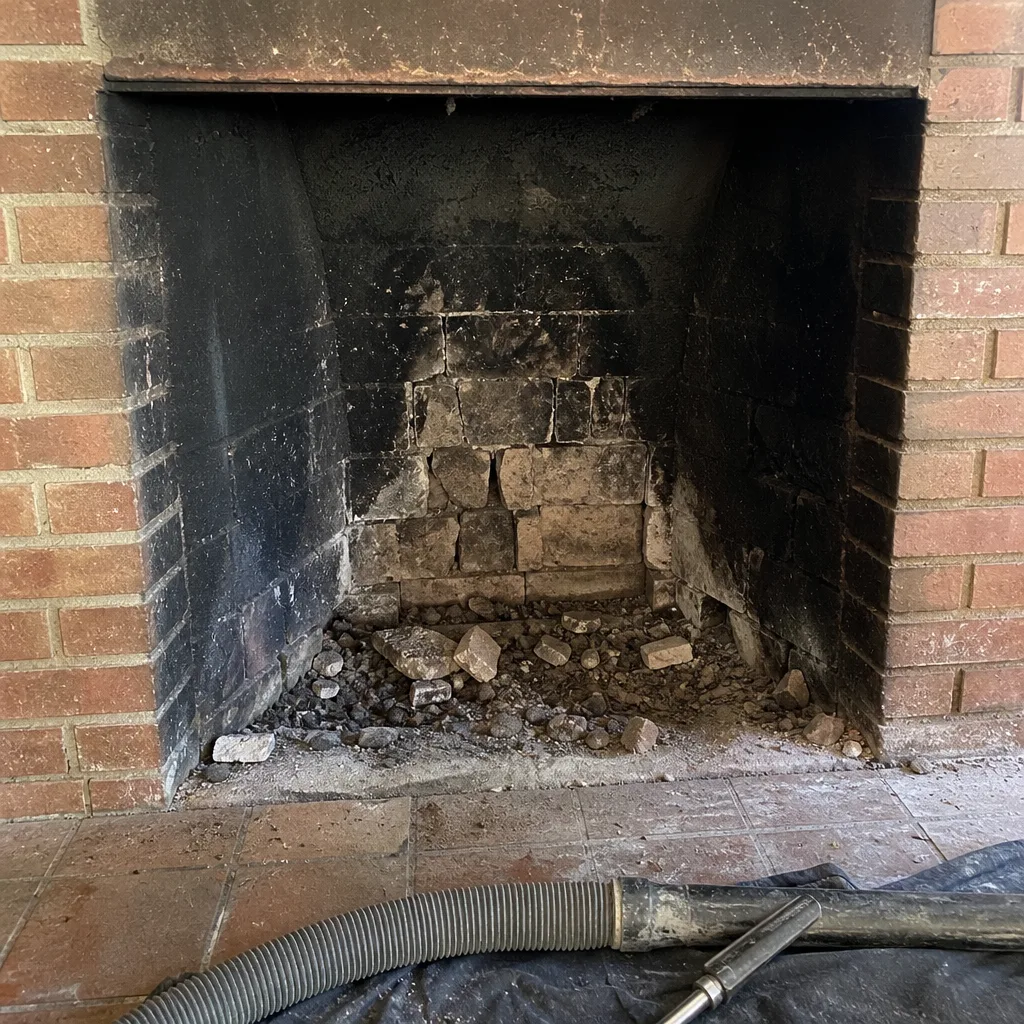 Before
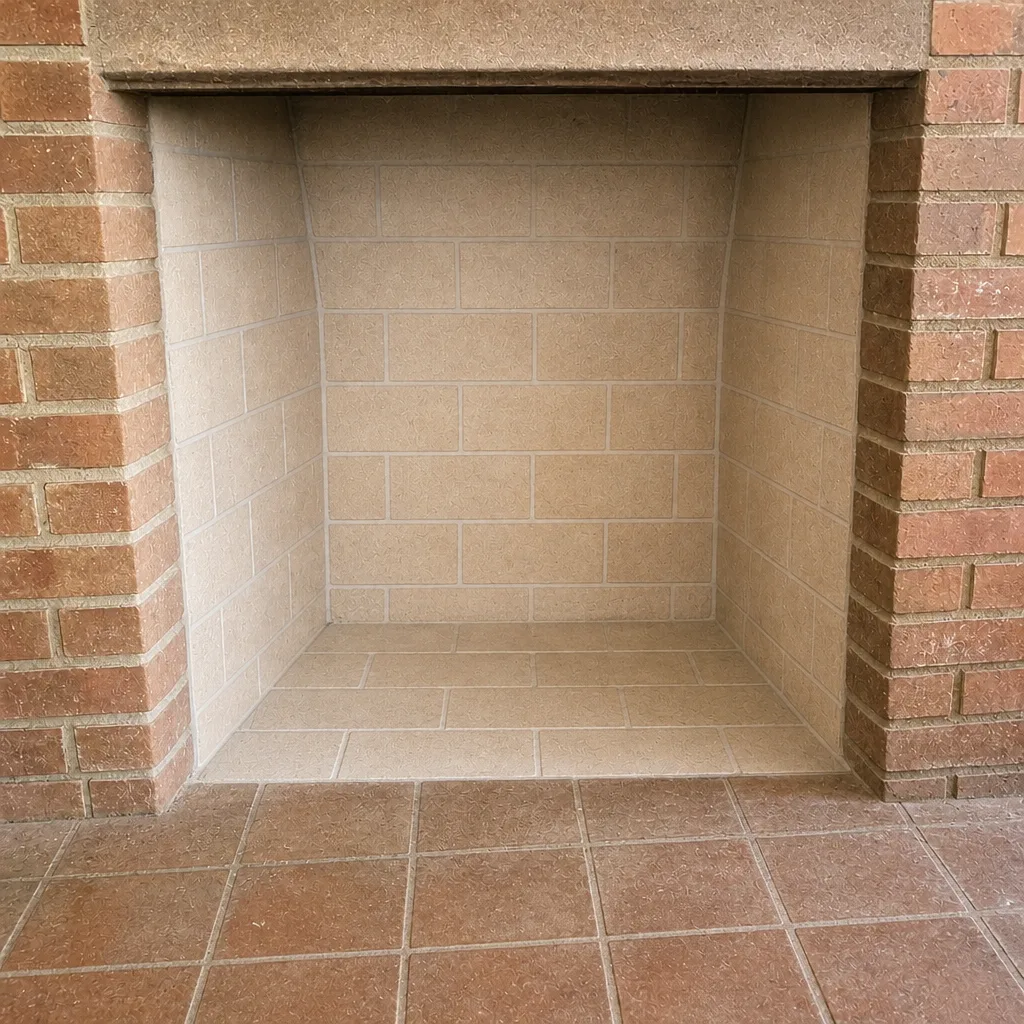 After
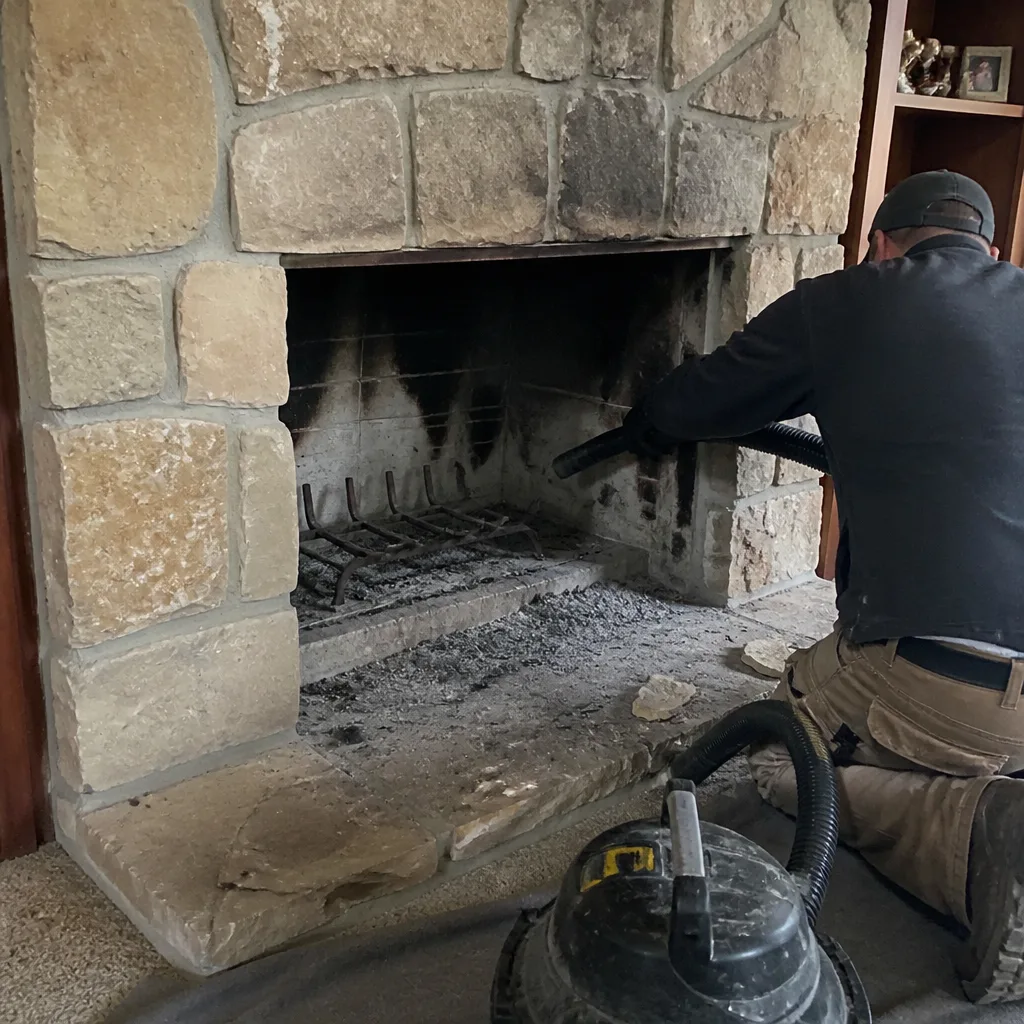 Before
 After
 Before
 After
When to Call a Professional
Call us when you’re weighing a repair against a permit, and you want both answered before anyone books. Some situations clearly need a professional: a liner that’s failed or deteriorated, soot or creosote beyond the routine, a firebox showing cracked masonry or failed refractory, a chimney crown that’s cracked and letting water in, a gas insert you’re considering for an existing flue, or an offer on your home where the buyer’s inspector is asking about paperwork. In each case, a professional assessment and a written estimate are the starting point, not the emergency. We’ve seen homeowners save themselves trouble by calling before a “small repair” turns into a structural rebuild.
Chimney Sweep Hamilton Lakes offers free estimates in Hamilton Lakes – call (855) 766-2824. We answer 24/7. Fast dispatch from 7am to 7pm, Sunday through Friday. The written estimate sets the final price, and inspection findings come with photo evidence so you can review what we see.
Frequently Asked Questions
No. A routine chimney sweep in Hamilton Lakes requires no permit. Sweeping is maintenance on an existing flue and doesn’t change the structure or venting. Call (855) 766-2824 for an exact quote – estimates are free.
Flue liner replacement, firebox reconstruction, gas insert or wood stove installation, adding a flue or appliance connection, and major structural chimney repair typically require a Mecklenburg County building permit. The trigger is a change to the chimney’s structure or venting, which is governed by North Carolina Residential Code Section M1801. A licensed contractor should pull the permit and schedule the inspection. Call (855) 766-2824 for an exact quote on your scope – estimates are free.
No. Grandfathering protects an existing condition from new-code enforcement; it doesn’t exempt structural modifications. A rebuilt firebox or a new liner must meet current code, and the permit applies to the work being done. Call (855) 766-2824 and we’ll walk through what your job triggers – estimates are free.
A permit is issued by Mecklenburg County before structural chimney work begins; an inspection is a separate service that verifies condition and compliance, and a Level II is required whenever a liner or appliance changes. The two work together: the permit authorizes the work, the inspection documents it. Call (855) 766-2824 to book a Level I or Level II inspection – estimates are free.
It can. A buyer’s home inspector can flag non-compliant or undocumented liner or appliance work, and that finding becomes a closing-negotiation item at the seller’s expense. The cost of remediation at closing typically exceeds the cost of the permit pulled at the time of work. If you’re planning to sell, call (855) 766-2824 for an inspection before you list – estimates are free.
A Level II inspection is the one required when a property changes hands, because it includes camera inspection of the flue interior and produces the documentation a buyer’s inspector will want. A Level I is the annual routine for a chimney that hasn’t changed. Call (855) 766-2824 to schedule the right level for your situation – estimates are free.
The Bottom Line
The rule in Hamilton Lakes is simple once you frame it correctly: sweeping is maintenance with no permit, and anything that modifies the chimney’s structure or venting is construction that needs a Mecklenburg County permit and an inspection. That line is set by North Carolina Residential Code Section M1801, and it’s anchored to NFPA 211 for clearances, termination height, and the three inspection levels. Grandfathering won’t rescue a rebuild, and skipping the permit won’t save money once a buyer’s inspector looks at your liner. If you’re planning structural chimney work, ask who pulls the permit and what inspection level applies. Then keep the paperwork with your home records, because at resale it’s an asset. We’ve built our service around that standard: sweep, inspect, repair, and protect the full chimney, with the brands we install named so you can verify them.
Call (855) 766-2824 for a free estimate. We answer 24/7. Fast dispatch from 7am to 7pm, Sunday through Friday.
Written by the team at Chimney Sweep Hamilton Lakes.