
Last updated November 25, 2026
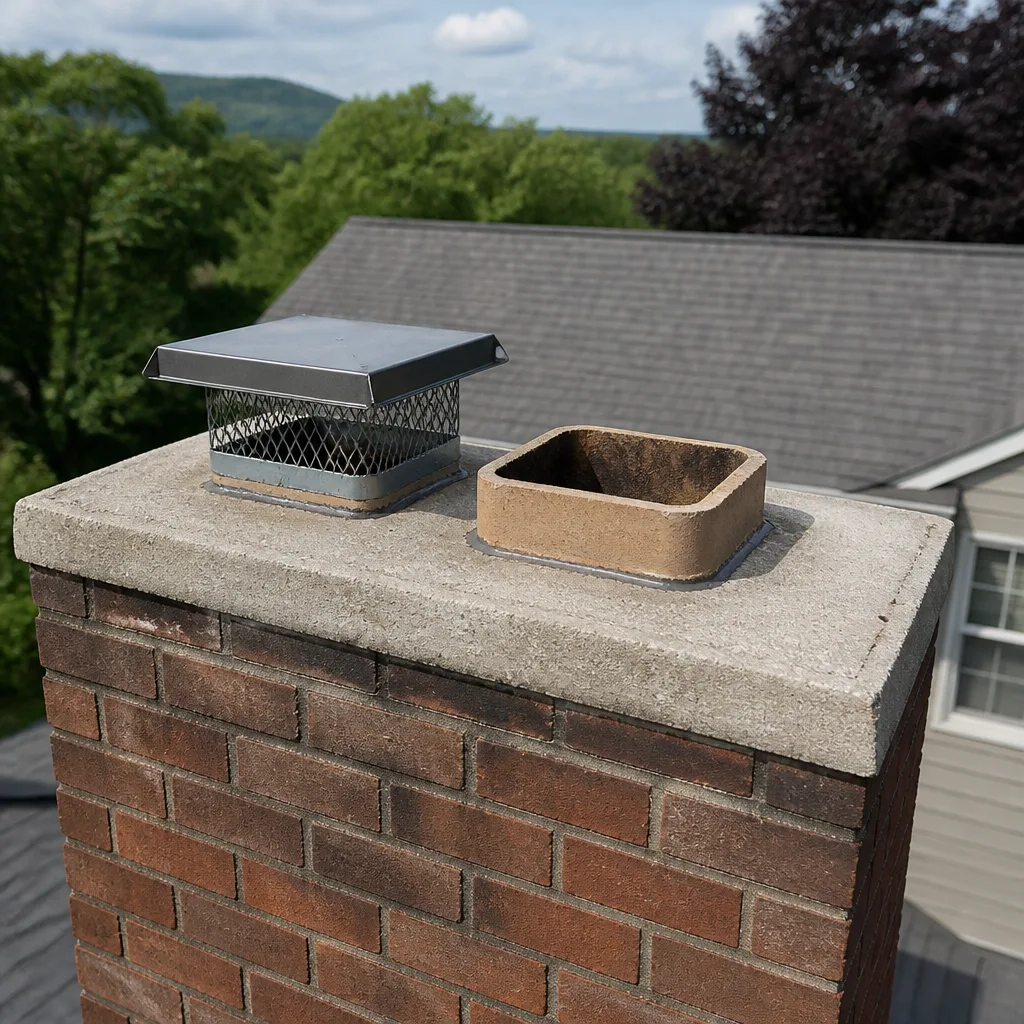 Sweep & inspection
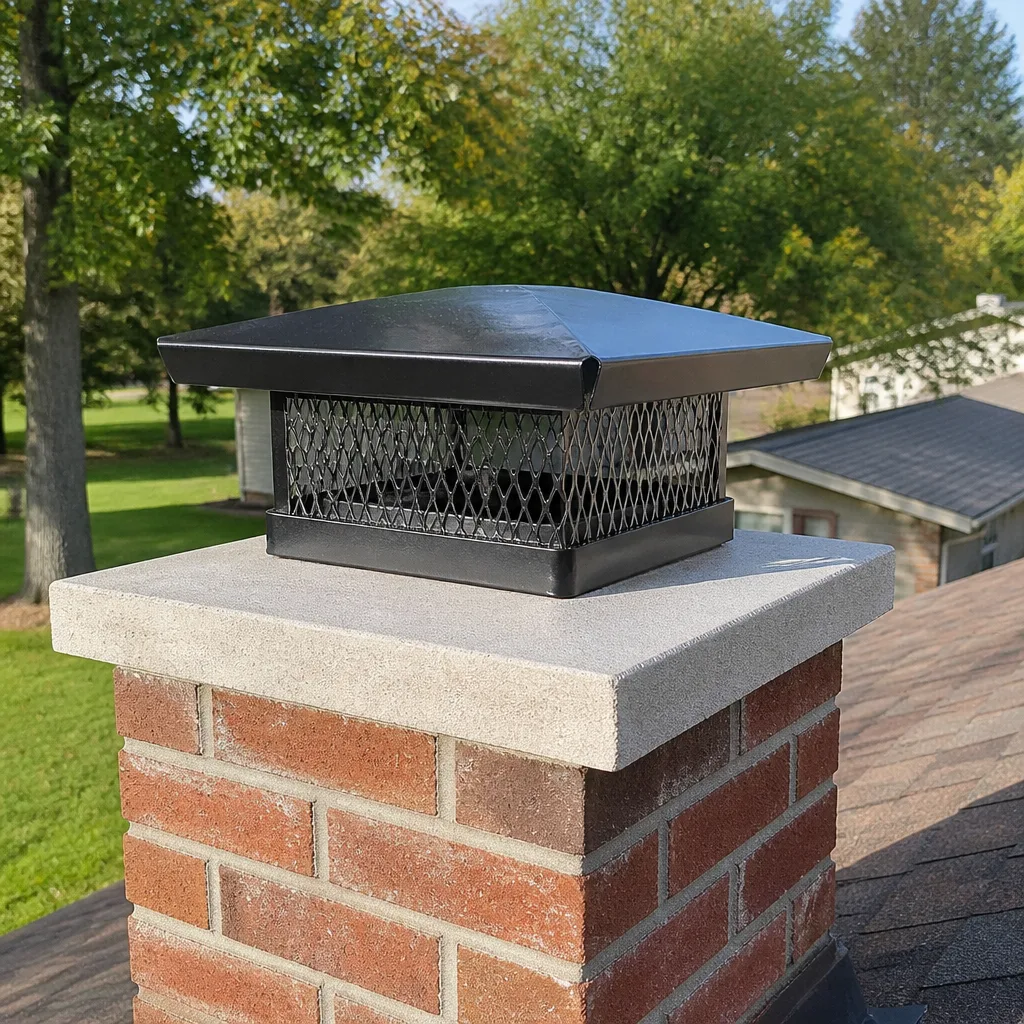 Caps & crowns
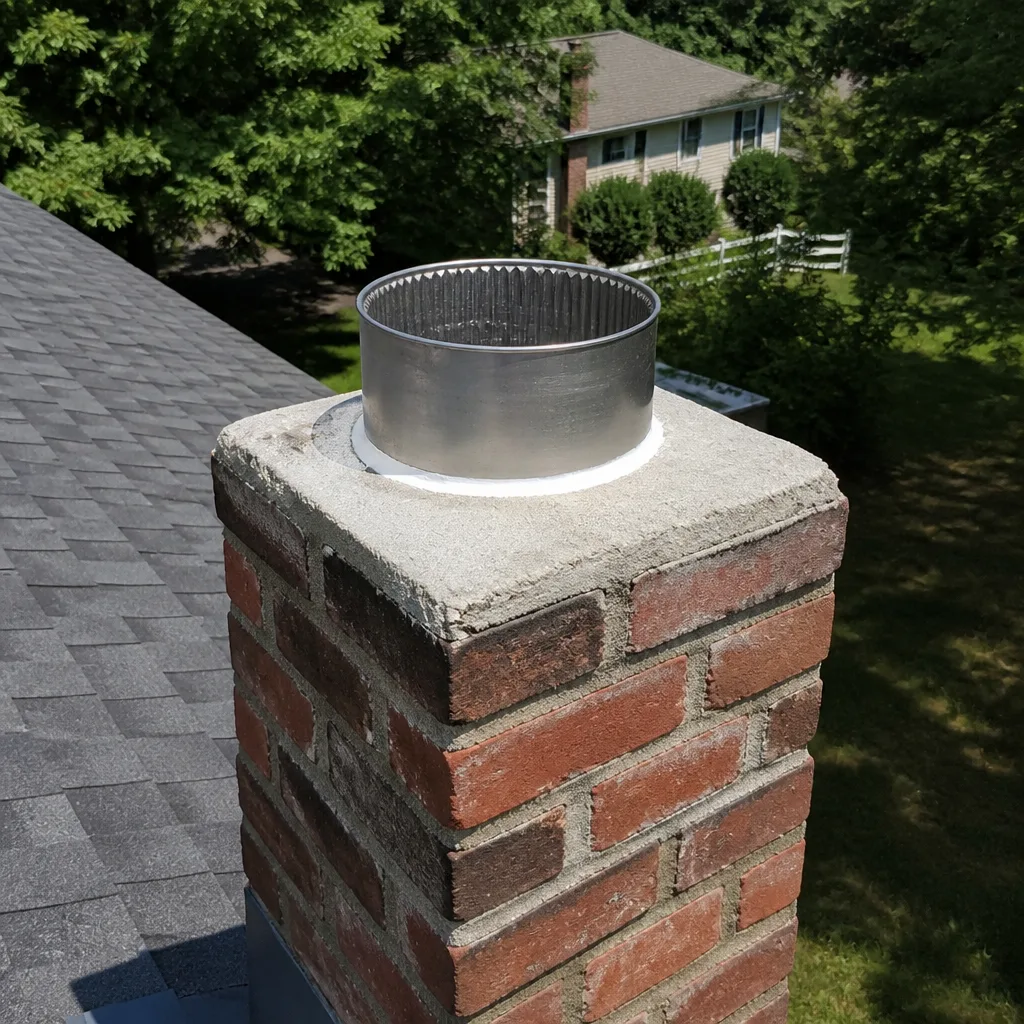 Flue relining
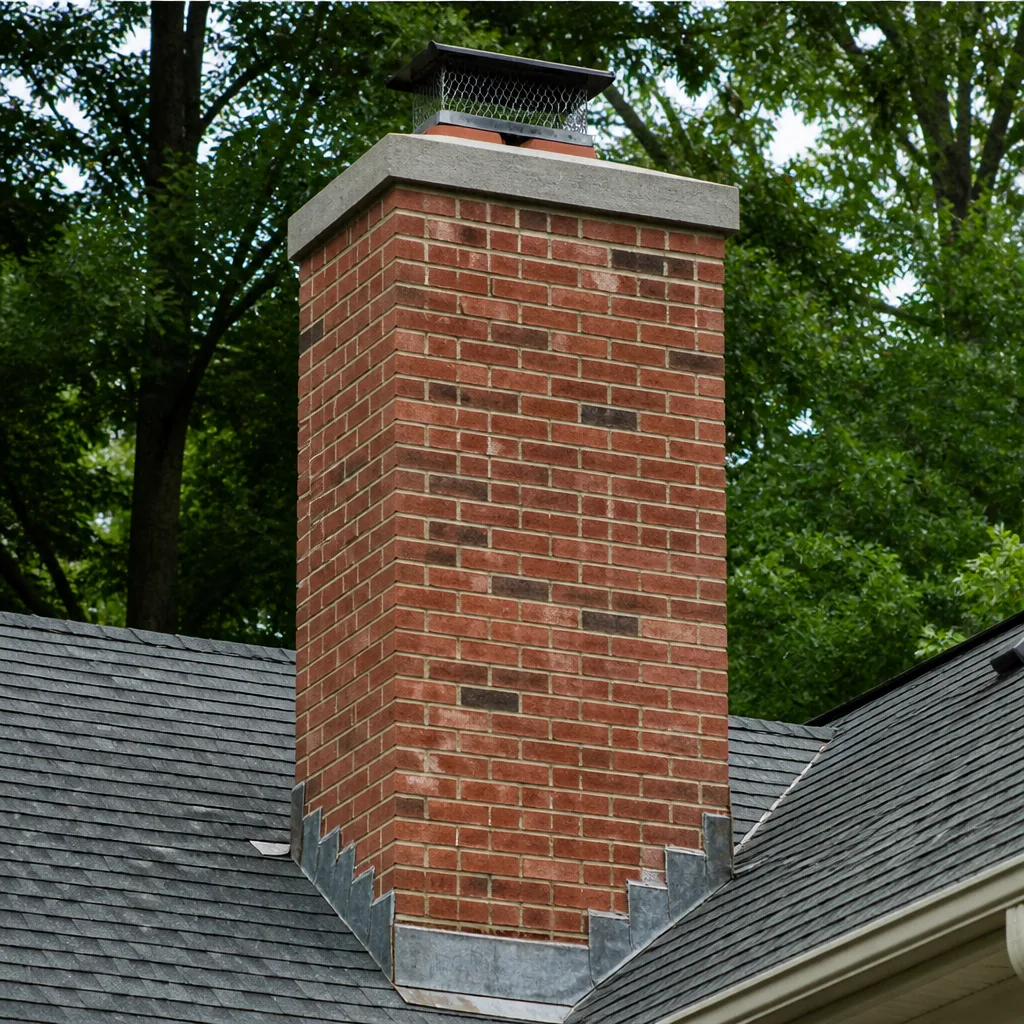 Masonry repair
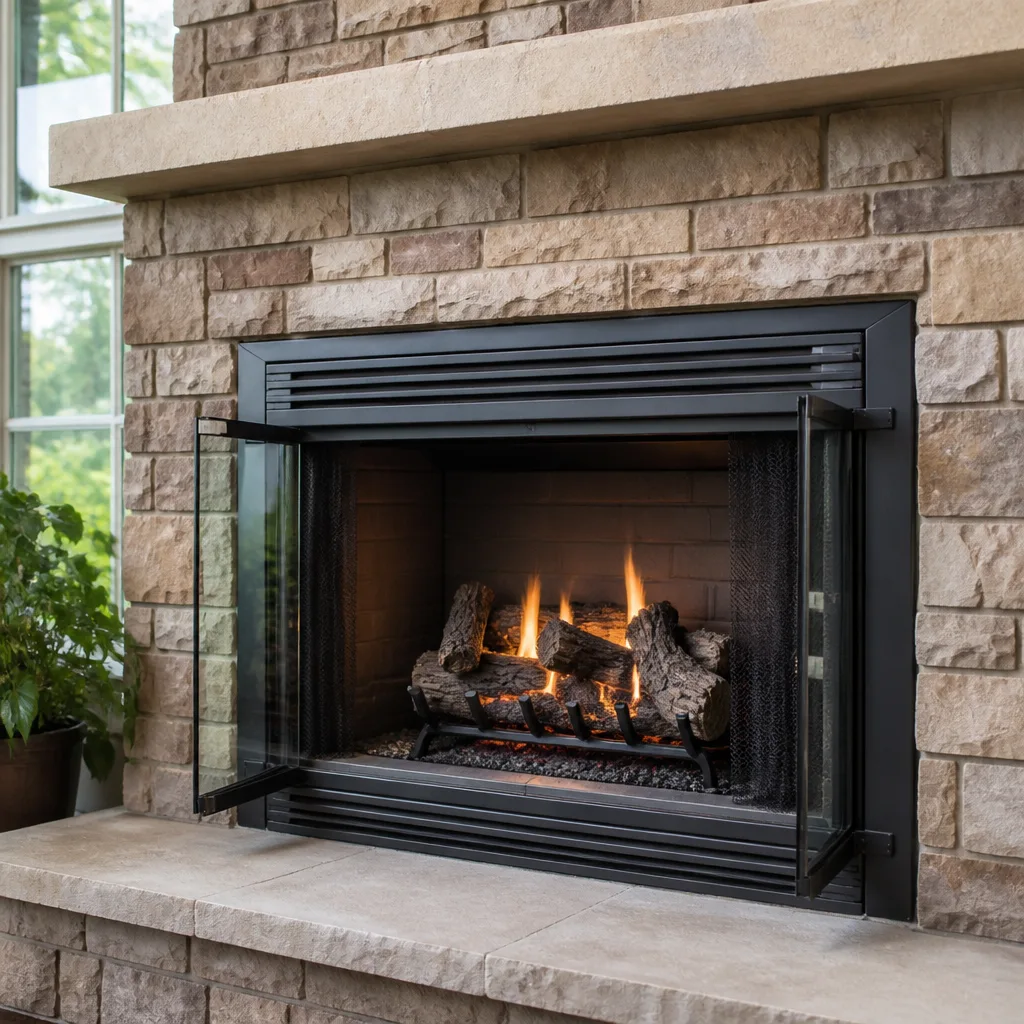 Gas fireplace service
Level 1 sweep and inspection to the NFPA 211 annual standard - flue, crown, cap, and flashing checked and photographed
Chimney sweep logs do not sweep chimneys. They loosen some creosote - which then falls where a brush and vacuum still have to collect it.
Seasonal Chimney Cleaning Care for Hamilton Lakes: Year-Round Homeowner’s Guide
Most Hamilton Lakes homeowners book their chimney sweep in October, right before the first fire of the season. That timing feels responsible, but it misses the point. The busiest season for chimney repairs isn’t fall at all. It’s spring, when technicians start finding the damage that winter quietly inflicted on crowns, liners, and mortar joints while the fireplace was in regular use. A chimney doesn’t fail during a fire. It fails in the weeks after one, when trapped moisture freezes, thaws, and freezes again. This guide reframes chimney care as a twelve-month discipline, with different priorities each quarter. By the end, you’ll know what to check, what to schedule, and why spring might matter more than autumn.
Quick Answer
Chimney care in Hamilton Lakes should be scheduled across all four seasons, not just fall. A pre-season sweep and inspection in early fall covers safe operation, a spring inspection catches freeze-thaw damage and water infiltration before it compounds, and summer is the right window for cap, crown, and waterproofing work. Fall gets you ready to burn; spring and summer protect the chimney for the next twenty years.
Styles & brands we work with
- Sweep & inspection
- Caps & crowns
- Flue relining
- Masonry repair
- Gas fireplace service
Table of Contents
- Why Seasonal Chimney Care Matters in Hamilton Lakes
- Fall: The Pre-Season Sweep and Inspection
- Winter: Reading Your Chimney’s Warning Signs
- Spring: The Most Important Inspection Window
- Summer: Cap, Crown, and Repair Timing
- The Piedmont Climate Factor and Masonry
- A Year-Round Chimney Care Checklist
- What Seasonal Chimney Care Costs in Hamilton Lakes
Why Seasonal Chimney Care Matters in Hamilton Lakes
Hamilton Lakes sits in the North Carolina Piedmont, and that geography shapes everything about how a chimney ages. Summers are humid. Winters swing between hard freezes and mild afternoons. Masonry doesn’t simply wear out from use; it wears out from the pressure of water entering, freezing, expanding, and thawing over and over. A chimney that looks fine in August can be quietly failing by February.
Treating chimney care as a single fall event leaves three seasons of damage unaddressed. In our experience, the difference between a chimney that lasts forty years and one that needs a rebuild at twenty comes down to how consistently a homeowner catches small problems before they compound. A hairline mortar crack caught in spring costs little to seal. The same crack after another winter can undermine a whole crown.
So this guide organizes chimney work by season:
- Fall is about safe operation – a clean flue and a working inspection before you strike the first match.
- Winter is about monitoring – reading draft, odor, and smoke as early warning signals.
- Spring is about diagnosis – catching freeze-thaw and water damage while it’s still small.
- Summer is about protection – cap, crown, and waterproofing work before humidity and fall demand peak.
None of these seasons replaces another. That’s the whole point. A Hamilton Lakes chimney that gets swept every October but never inspected in April is protected against one risk and exposed to another.
Fall: The Pre-Season Sweep and Inspection
Fall is where most homeowners start, and rightly so. Before you burn the first fire of the season, the flue needs to be clear of soot, creosote, and the debris that accumulates over the off-months. A proper pre-season visit covers more than a brush, though. It’s the one time of year when sweeping and inspection naturally go together.
A thorough fall sweep and Level I inspection should cover:
- Flue cleaning of the firebox, smoke chamber, and flue, removing soot and any creosote glaze that has built up.
- Damper seating – checking that the damper opens fully and closes flush, since a damper that won’t seat lets conditioned air escape all winter.
- Cap and spark screen condition, including the screening that keeps birds and squirrels out of the flue; a torn screen is an open door.
- Visible liner condition at the top and bottom, looking for cracking, spalling, or gaps.
- Firebox and smoke chamber for loose mortar and deteriorated joints.
- Creosote level assessment so you know how often to schedule the next sweep based on how you burn.
Booking the chimney sweep early in the fall avoids the October rush that hits every specialist in the area at once. If a fall inspection turns up something that needs repair – a cracked crown, a loose cap – you’ll want time to schedule that work before cold weather sets in. Because we handle sweeping, inspection, and repair in-house, findings don’t have to travel to a second contractor who has a two-week wait.
Winter: Reading Your Chimney’s Warning Signs
Once the fireplace is in regular use, your chimney is running under load – and it will tell you when something is off. Winter is the season to pay attention, not necessarily to schedule work. The signals that matter most are changes from the chimney’s normal behavior, not dramatic symptoms.
Watch for these three early warning indicators during active use:
- Draft changes. A fire that smokes or refuses to draw the way it did earlier in the season can signal a partial blockage, a damper issue, or a build-up in the flue.
- Odor shifts. A stronger creosote smell, or a smoky odor that lingers after the fire is out, often points to creosote accumulation or a draft problem.
- Visible smoke rollout. Smoke spilling into the room instead of going up the flue is one of the clearest signs something has changed in the system.
Any of those is a reason to stop using the fireplace and get the chimney looked at, not a reason to work around it. Winter is also when moisture trapped inside masonry faces repeated freeze-thaw cycles – and interior flashing, cracks, or a failed cap all let water in. You can’t see most of that from the living room. That’s why the spring inspection matters so much: it’s the first chance to inspect what winter did.
During the fire season itself, keep the firebox clear of ash and inspect the firebox walls occasionally for loose mortar. If you notice a fire leaning toward the wall or smoke coming from the mortar, stop burning and get the flue checked. Carbon monoxide is also a real concern with any solid-fuel appliance; a working carbon monoxide detector on every sleeping level is a baseline safety measure, not an optional one.
Spring: The Most Important Inspection Window
This is the season most homeowners skip, and it’s the one that matters most for the long-term health of a masonry chimney. Once the burning season ends, the chimney has been through months of heat cycles, freeze-thaw swings, and moisture exposure. Spring is when damage is most visible and still cheapest to fix.
A post-season spring inspection focuses on the things winter quietly damages:
- Mortar joint deterioration from freeze-thaw cycling – cracks and crumbling joints that a fall inspection a year later might find as a failing chimney.
- Water infiltration evidence, including efflorescence (white staining on masonry), rust on the firebox, or water staining inside the flue.
- Liner cracking from thermal cycling – small cracks that matter, because a compromised flue liner is a safety issue, not a cosmetic one.
- Crown and cap condition after a winter of expansion and contraction.
Here’s the part that earns trust: nothing should be recommended without camera evidence you can see for yourself. A professional inspection uses a camera in the flue and shows you the photo report, so a cracked liner recommendation comes with a picture of the crack, not a sales pitch. And when something can safely wait, we say so. Replacing a crown that’s still intact is money wasted; resealing a hairline crack before it becomes structural is money well spent. The spring inspection is what lets you tell the difference.
Older masonry chimneys often show up in spring inspections with flue liners that are deteriorating but not yet ready for a full reline. That’s where HeatShield liner restoration fits: it resurfaces a worn liner and extends the chimney’s life when the flue still qualifies. If the flue has failed structurally, a full liner replacement is the answer. The point is that neither recommendation comes from a hypothesis – it comes from what the camera shows.
Summer: Cap, Crown, and Repair Timing
Summer gets overlooked because the fireplace is dormant. In reality, it’s the best window for the work that protects your chimney the longest. The masonry is dry, the weather is workable, and you’re not competing with the fall backlog every chimney specialist faces.
Three categories of work belong in summer:
- Cap and crown work. A well-fitted cap keeps rain, birds, and debris out of the flue; a sound crown sheds water away from the chimney rather than into it. Cap and crown maintenance is the most cost-effective protection a chimney has, because stopping water intrusion before it becomes a rebuild is the whole game. Our chimney cap & crown work falls into exactly this preventive category.
- Crown coating. Applying a chimney crown coating before the humidity peaks protects the crown through the wet summer months. The Piedmont’s humid summers are harder on unprotected masonry than homeowners expect.
- Structural repairs. A damaged flue liner, a failing firebox, a loose smoke chamber – these can all be addressed in summer, when scheduling is easier and drying conditions are favorable.
Scheduling repairs in summer also means you’re not waiting behind fall bookings when something needs attention. If a spring inspection found a problem, summer is exactly when you want it fixed – before fall arrives and every homeowner in Hamilton Lakes suddenly wants a sweep. And if the repair involves the fireplace itself, our fireplace repair service covers everything from a draft problem to a damaged firebox, so the same company that swept the flue can fix the appliance.
The Piedmont Climate Factor and Masonry
Chimney care advice written for dry climates doesn’t fully translate here. The North Carolina Piedmont is humid – summer humidity regularly sits high enough to keep masonry damp for extended stretches. That moisture does two things. First, it accelerates organic growth on outward-facing masonry, which in turn holds more moisture against the surface. Second, it makes the freeze-thaw cycles of winter more damaging, because masonry that starts the winter damp has more water available to expand when temperatures dip.
That’s why waterproofing treatment matters more here than it would in a drier region. A breathable water-repellent treatment on the exterior masonry lets the chimney dry from the inside out while shedding rain from the outside. Applying it in summer, before the humid stretch peaks, gives the treatment time to cure and protects through the wettest part of the year.
Freeze-thaw is the other half of the Piedmont equation. Winters here swing between hard freezes and mild afternoons, which is actually harder on mortar joints than a steady deep freeze. Each swing is a small cycle of expansion and contraction. Twenty or thirty of them in a season add up. This is why the spring inspection matters so much in Hamilton Lakes: it’s the moment to catch the mortar damage before another winter compounds it.
The correct material brands matter here too. We install and work with professional-grade products including Gelco, Olympia Chimney, Famco, and Copperfield, and we name them because materials matter as much as labor. A crown coating that isn’t rated for humid climates isn’t doing its job, and a cap sized for a different flue diameter lets in what it was supposed to keep out.
A Year-Round Chimney Care Checklist
Here’s the whole cycle in one place. Print it, save it, or hand it to whoever tracks home maintenance in your household.
Fall (Pre-Season)
- Schedule the annual sweep and Level I inspection before first use.
- Confirm damper seating and cap screening.
- Check creosote level and decide the next sweep interval.
- Address any findings that need repair before winter.
Winter (Active Use)
- Monitor draft, odor, and smoke for changes from normal behavior.
- Keep the firebox clear and watch for internal mortar damage.
- Confirm a working carbon monoxide detector on every sleeping level.
- Stop using the fireplace if anything seems off and get it inspected.
Spring (Post-Season)
- Book a post-season inspection to catch freeze-thaw damage.
- Review the camera inspection and photo report with your technician.
- Identify water infiltration evidence – efflorescence, rust, staining.
- Decide with your technician which findings are urgent and which can wait.
Summer (Protection)
- Schedule cap and crown maintenance.
- Apply chimney crown coating before humidity peaks.
- Complete any structural repairs scheduled from spring.
- Waterproof exterior masonry before the wet season returns.
If you only have time for two of these four seasons, make it fall and spring. The sweep and inspection before burning covers safety; the post-season inspection covers longevity. Skipping fall is a fire risk; skipping spring is a masonry risk that compounds quietly.
What Seasonal Chimney Care Costs in Hamilton Lakes
Chimney work varies by the condition of the system, so treat any figure as a typical range, not a quote. The written estimate you receive after an inspection sets the final price. All costs below are estimates; the estimate is free and the price is set per job.
- Annual chimney sweep and Level I inspection: typically $150 – $350, depending on how much creosote has built up and how accessible the flue is.
- Level II camera inspection: typically $200 – $450, and the photo report is included.
- Chimney cap installation: typically $150 – $400, depending on cap style and flue dimensions.
- Crown repair or coating: typically $300 – $900, depending on whether the crown can be resealed or needs rebuilding.
- HeatShield liner restoration: typically priced per linear foot of flue, quoted after the camera inspection confirms the liner qualifies.
- Full liner relining: a larger project, quoted per foot after inspecting the flue; the written estimate sets the price.
Two principles keep the numbers honest. First, a repair recommendation comes from what the camera shows, not from a hunch. Second, we tell you plainly when work can safely wait. A chimney that needs a $200 crown coating this summer may not need it next summer; the seasonal workload adds up over years, and timing work to summer keeps costs down because you’re not paying for emergency scheduling after a failure.
The vetted local professional we connect you with is licensed and insured as their state requires, and any findings are explained before they’re quoted. If a recommendation doesn’t come with evidence, ask to see it. Any chimney specialist worth hiring will be glad to show you.
Common Mistakes to Avoid
- Treating chimney care as a fall-only task. The most damaging season for a masonry chimney is winter through early spring, and a fall-only schedule never inspects for that damage. A spring inspection is the whole point.
- Skipping the inspection because the sweep “looked fine.” A sweep clears the flue; it doesn’t evaluate the liner, crown, or mortar. Sweeping and inspection are different jobs, and both belong on the calendar.
- Waiting for a problem to announce itself. Smoke rollout or a persistent odor is a late signal. Water infiltration evidence – staining, efflorescence, rust – shows up long before the chimney stops working.
- Ignoring the cap and crown until water gets in. A damaged cap or cracked crown lets water into the flue and masonry all year. Preventive cap and crown work now saves a rebuild later.
- Choosing a sweeper who doesn’t offer repair. When a sweep turns up a liner problem, you want the same company to inspect and repair. That single-capability shop can leave you hunting for a second contractor mid-season.
- Assuming “swept” means “safe.” A clean flue with a cracked liner is still a safety issue. The inspection is what catches it, and it’s why we include a camera inspection and photo report with the visit.
- Overlooking the Piedmont’s humidity in summer. Hamilton Lakes summers keep masonry damp for long stretches, which accelerates organic growth and weakens the mortar over time. Waterproofing timing matters here more than in drier climates.
Every one of these comes down to the same habit: care for the chimney on a schedule that covers the whole year, not just the weeks before you burn. That’s the difference between responding to damage and preventing it. You can see our full service range on Chimney Sweep Hamilton Lakes.
See the difference
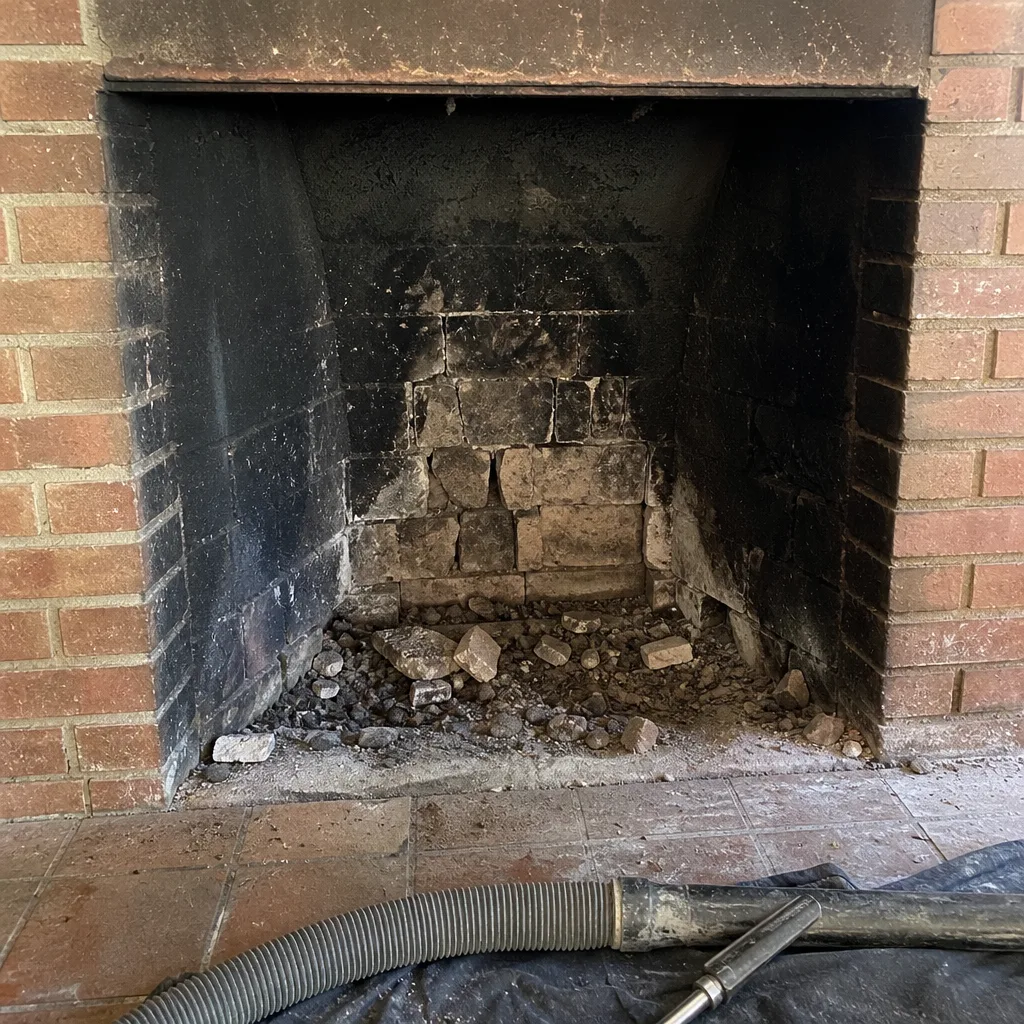 Before
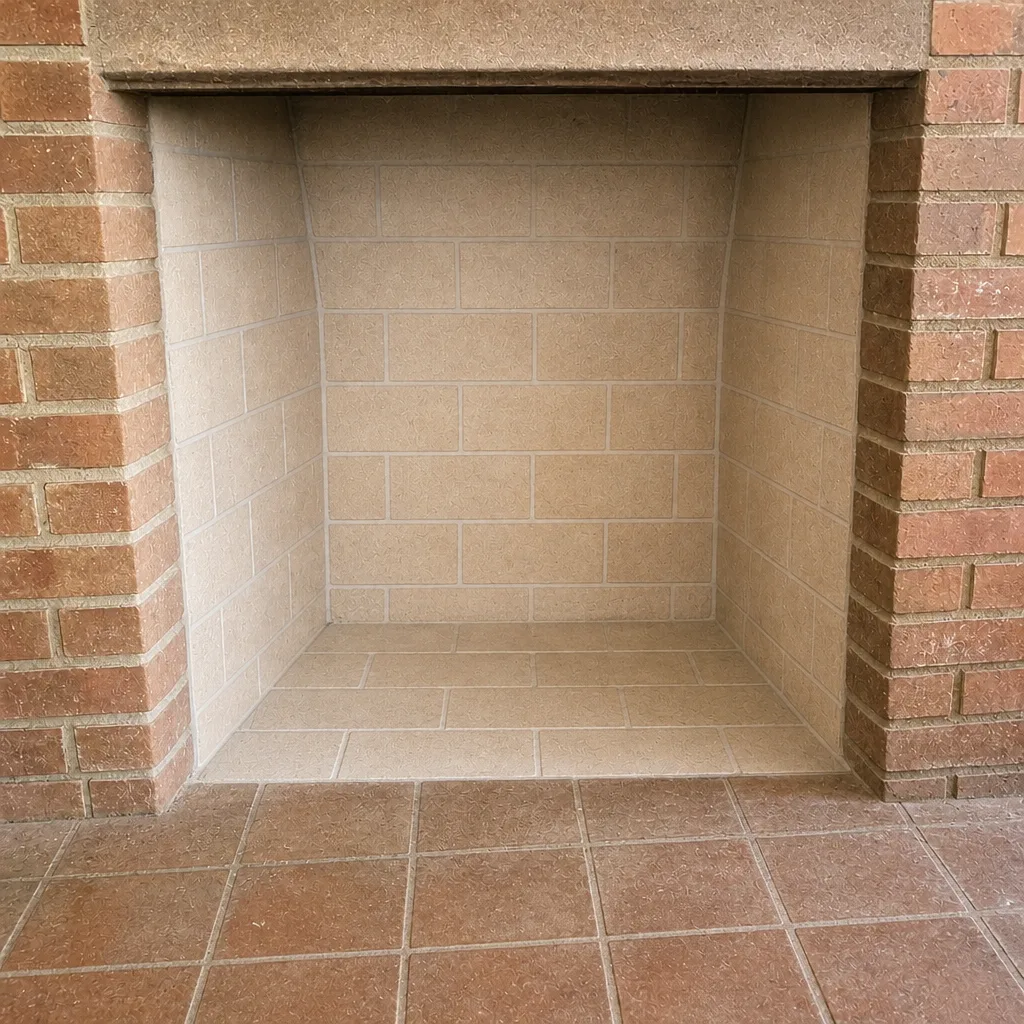 After
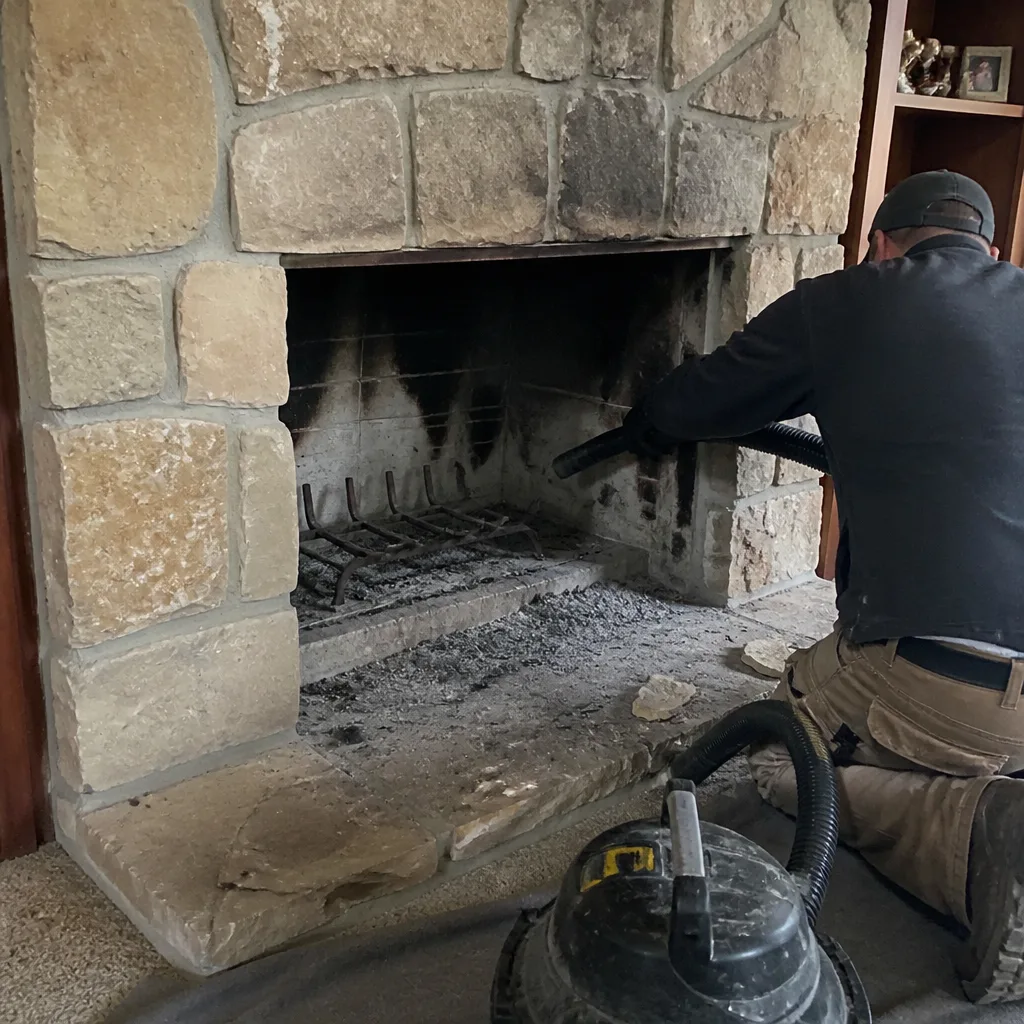 Before
 After
 Before
 After
When to Call a Professional
Some chimney work is a homeowner task – clearing ash, checking a carbon monoxide detector, watching for smoke rollout. The rest belongs to a trained technician. Call a professional when: you haven’t had a sweep in a year or more; you notice smoke entering the room during a fire; you see white staining, rust, or water marks on the chimney exterior; the damper won’t open or seat; or it’s simply been a while since the last inspection. High-tension chimney and flue components, gas lines, gas fireplace connections, and electrical components are not homeowner jobs – they’re genuinely dangerous to handle without training, and a real specialist will always flag that. For the professional work, Chimney Sweep Hamilton Lakes offers free estimates in Hamilton Lakes – call (855) 766-2824. Our technicians have up to 11 years of experience, we answer 24/7, and fast dispatch runs 7am to 7pm, Sunday through Friday.
Frequently Asked Questions
Most wood-burning chimneys should be swept once a year, and a gas fireplace at least inspected annually. If you burn frequently, the Piedmont’s humidity and the amount of creosote in the flue can mean a mid-season check is worth it. The fall sweep covers safety; the annual inspection covers everything else. Call (855) 766-2824 for a free estimate.
Spring is the first window to catch the damage winter leaves behind – freeze-thaw mortar cracking, water infiltration evidence, and liner cracks from thermal cycling. Damage caught in spring is still small and cheap to fix; damage caught the following fall has had a whole extra winter to compound. Call (855) 766-2824 for a free estimate.
Not necessarily, and nobody should tell you that without showing you why. A camera inspection shows the actual condition of the liner, and a recommendation should come with a photo report you can review. When a liner is worn but not failed, HeatShield restoration can resurface it and extend the chimney’s life without a full replacement. Call (855) 766-2824 for a free estimate.
Skipping a sweep is a creosote and safety risk; skipping a spring inspection lets masonry damage compound through the next winter. Skipping summer cap and crown work leaves water intrusion unaddressed through the humid stretch. One missed season isn’t a crisis, but two in a row can turn a small repair into a structural project. Call (855) 766-2824 for a free estimate.
A typical annual chimney sweep and Level I inspection in Hamilton Lakes runs about $150 – $350, and a Level II camera inspection typically runs $200 – $450 with the photo report included. The written estimate after inspection sets the final price, and the estimate itself is free. Call (855) 766-2824 for an exact quote.
Yes. Humid summers keep masonry damp longer, which accelerates organic growth and makes freeze-thaw damage worse in winter. Waterproofing treatment in summer matters more here than in a dry climate, and spring inspections need to look specifically at mortar joints and water infiltration evidence. That’s why we time summer waterproofing before humidity peaks. Call (855) 766-2824 for a free estimate.
The Bottom Line
Chimney care in Hamilton Lakes isn’t a fall checkbox. It’s a twelve-month discipline with a different job each season: sweep and inspect before the burning season, monitor your chimney’s signals during use, inspect for freeze-thaw and water damage in spring, and protect with cap, crown, and waterproofing work in summer. The reason this matters so much here is the Piedmont climate – humid summers and freeze-thaw winters that punish an unmaintained masonry chimney faster than a drier region would. If you take one thing from this guide, it’s this: schedule the spring inspection. It’s the cheapest insurance against the damage you can’t see. When you’re ready, we explain what we find before we quote what it costs.
Chimney Sweep Hamilton Lakes handles sweeping, inspection, chimney repair, fireplace repair, and cap and crown work under one roof, so the findings from an inspection don’t require a second company and a second scheduling delay. Call (855) 766-2824 for a free estimate. We answer 24/7. Fast dispatch from 7am to 7pm, Sunday through Friday, closed Saturday.
Written by the team at Chimney Sweep Hamilton Lakes.