
Last updated November 25, 2026
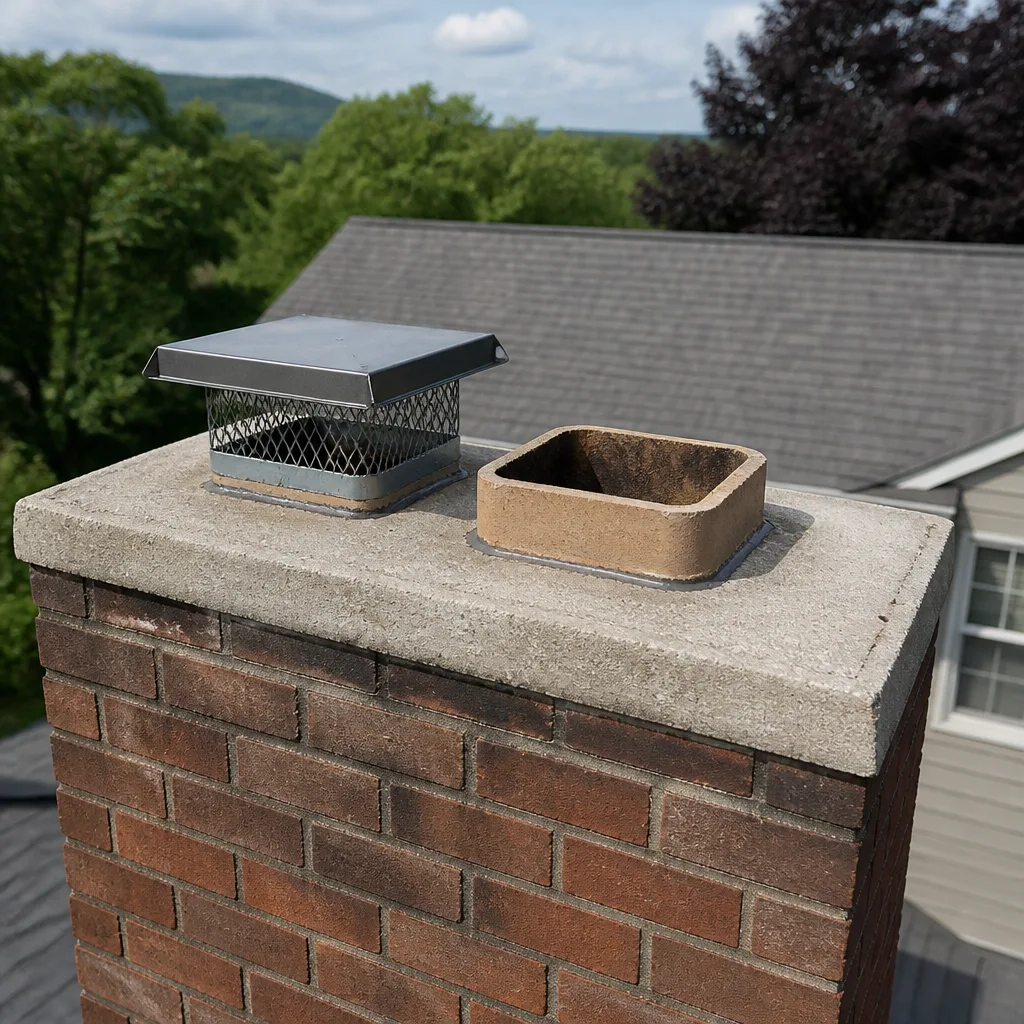 Sweep & inspection
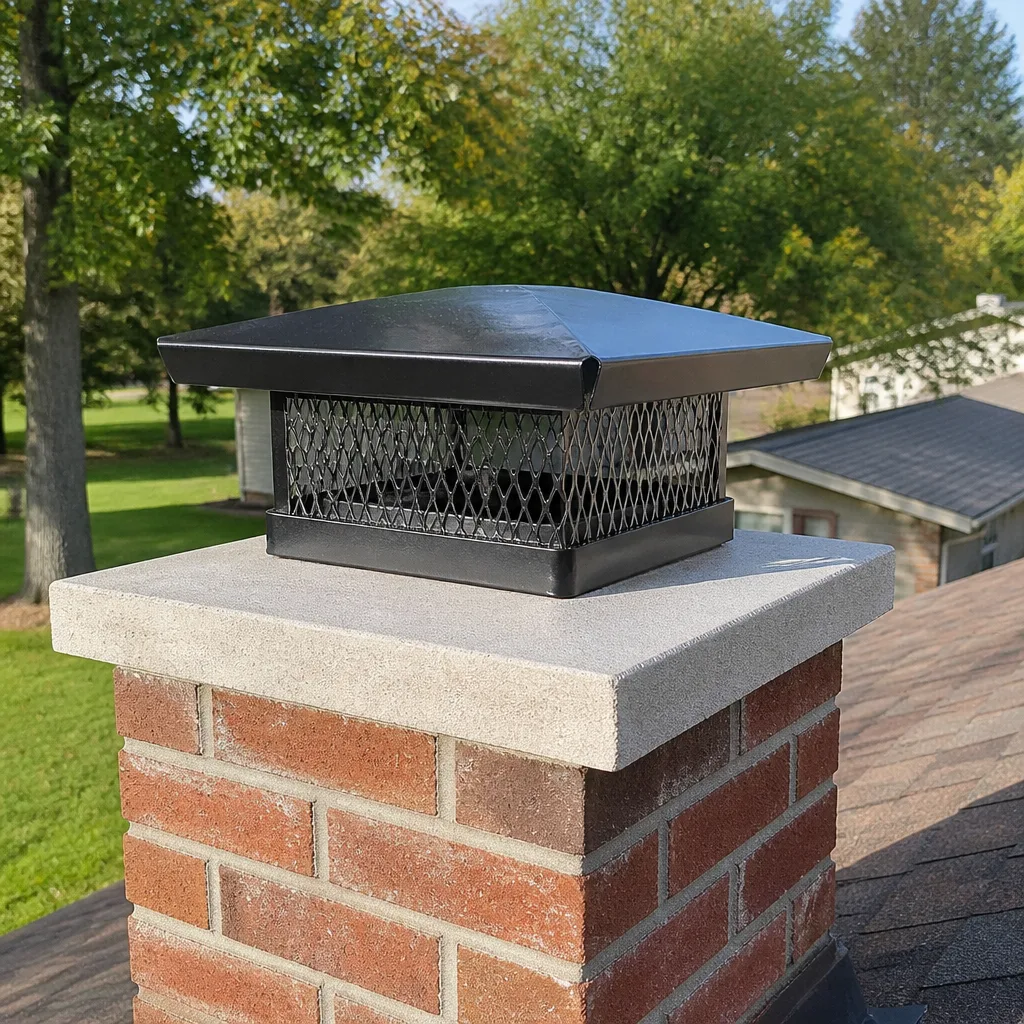 Caps & crowns
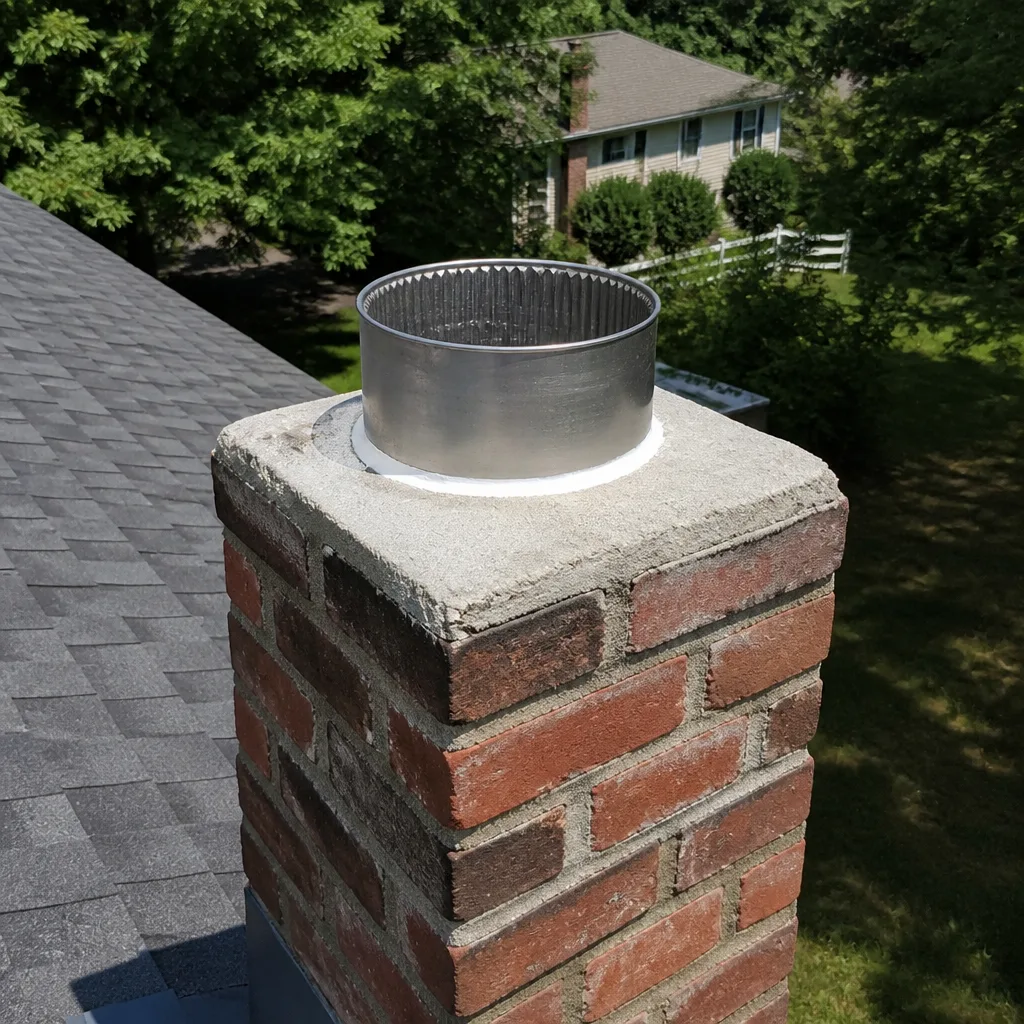 Flue relining
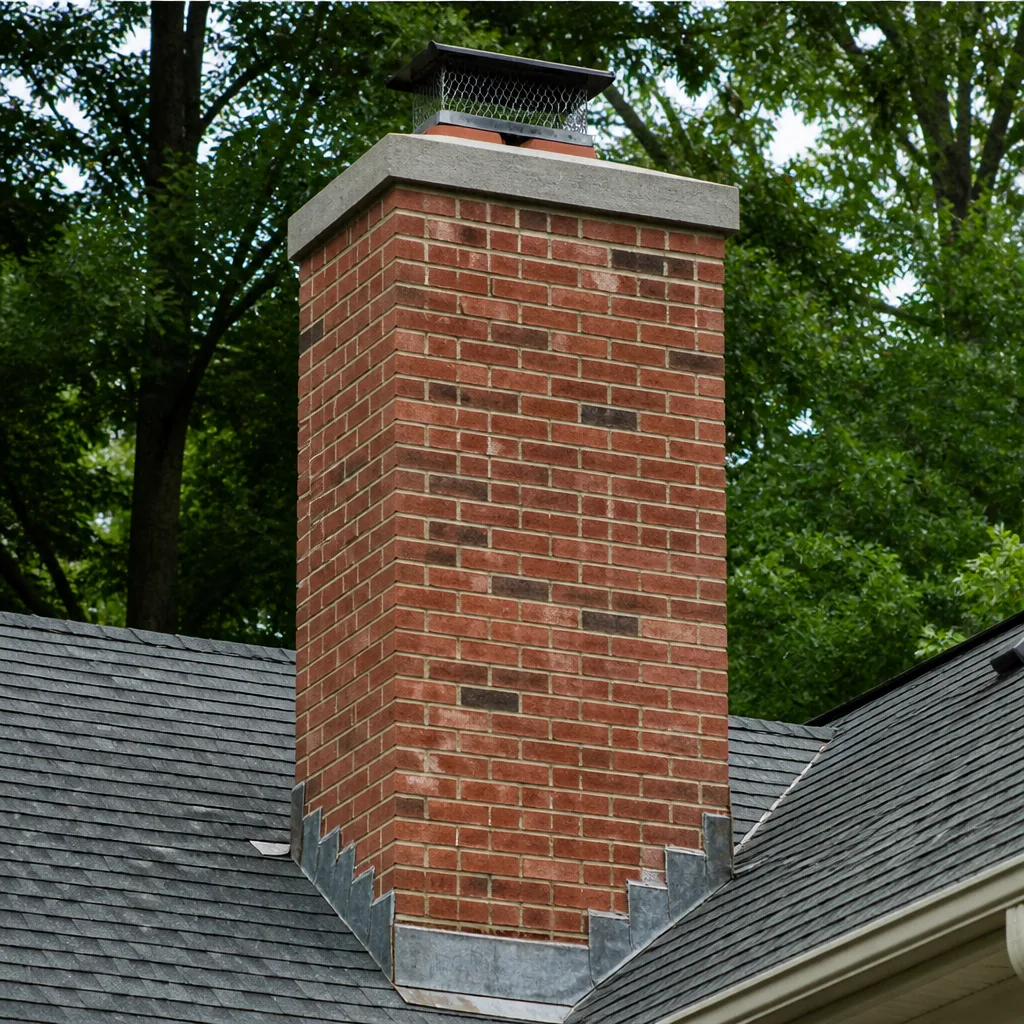 Masonry repair
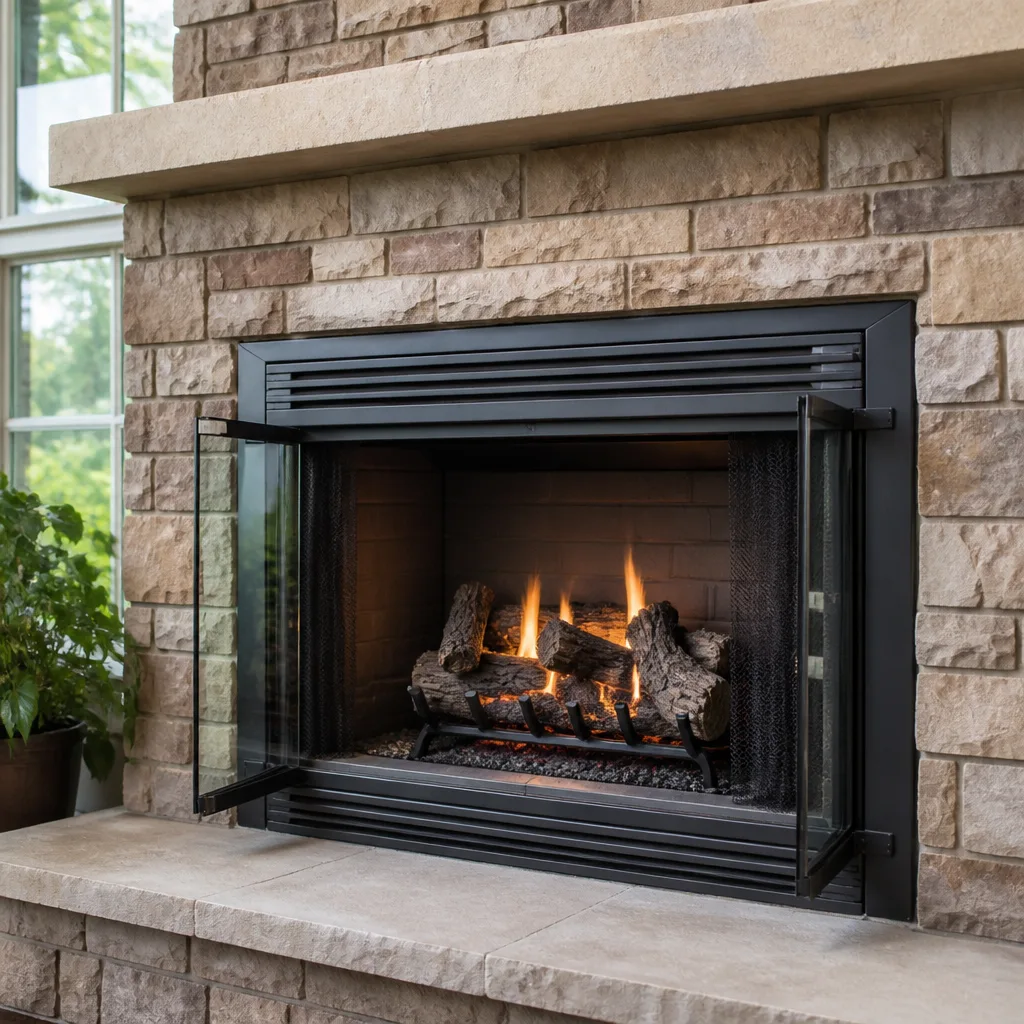 Gas fireplace service
Level 1 sweep and inspection to the NFPA 211 annual standard - flue, crown, cap, and flashing checked and photographed
Chimney sweep logs do not sweep chimneys. They loosen some creosote - which then falls where a brush and vacuum still have to collect it.
DIY vs Professional Chimney Cleaning: The Hamilton Lakes Homeowner’s Decision Guide
You can buy a chimney brush kit for less than the cost of a nice dinner out, and yes, you can physically push it up a flue and scrape loose soot off the walls. So why does the annual visit still matter? Because the brush isn’t the point. The point is the trained eye that reads the flue while the brush is in it, and that’s the part no kit in a box replicates. In this guide we’ll walk through the narrow set of conditions where DIY brushing is genuinely low-risk, what the equipment gap really costs you, and how to tell whether you’re a candidate for the hybrid approach. If you burn wood in Hamilton Lakes, this is the decision you’ll make every season.
Quick Answer
DIY chimney brushing is only low-risk when you have a single-story house, a straight flue, a history of burning seasoned wood exclusively, a sweep within the last 12 months, and no visible stage 2 or glossier creosote anywhere in the flue. For everyone else, a professional sweep is the safer and more economical choice because the inspection that comes with it surfaces liner damage, smoke chamber cracks, and deteriorating tile joints that a brush and a flashlight simply cannot detect. A DIY kit removes some creosote; a professional sweep removes the creosote and tells you what condition your chimney is actually in.
Styles & brands we work with
- Sweep & inspection
- Caps & crowns
- Flue relining
- Masonry repair
- Gas fireplace service
Table of Contents
- When is DIY chimney cleaning actually low-risk?
- What can’t a DIY kit see?
- What does brushing alone leave behind?
- What happens to your documentation when you DIY?
- Is the hybrid approach (DIY brush + pro inspection) worth it?
- What does DIY cleaning mask that a sweep would catch?
- What’s specific about chimney cleaning in Hamilton Lakes?
- A decision checklist for your next season
When is DIY chimney cleaning actually low-risk?
DIY brushing isn’t automatically reckless. There’s a narrow, definable set of conditions under which it’s a reasonable choice for a careful homeowner. All five of the following have to be true at once. Miss one, and the risk climbs quickly.
- Single-story house with a straight flue. No offset, no dogleg, no 30-degree jog around a framed chase. Brushes follow the flue, but on angled sections the brush can bind, pack creosote into a corner it can’t reach, and in the worst case dislodge tile joints you can’t inspect from below. A straight run is the only geometry a homeowner should attempt.
- Seasoned wood burned exclusively. That means split, stacked, air-dried for at least a full season, with a moisture reading under 20 percent. If you cut your own wood or bought a load before it was ready, you’re not a DIY candidate because the creosote profile in your flue is unpredictable.
- Cleaned within the past 12 months. The first year of a new chimney or the first season in a new house is not the time for DIY, because there’s no baseline. A professional sweep establishes what your particular chimney normally accumulates, and every year after that you’re comparing against a known reference point.
- No stage 2 creosote visible from the firebox or the damper. Stage 2 deposits are crusty, flaky, and dark. If you can see that texture when you shine a light up the pipe, stop. Stage 2 and stage 3 (glossy, hardened) deposits require chemical treatment before brushing, and brushing them cold can chip chunks that lodge further down.
- Small, controllable firebox. A standard masonry firebox with a 12×12 flue is manageable. A large Rumford or a firebox with a heat-circulating insert is not.
Take an honest inventory against those five. Most homeowners who call us in Hamilton Lakes fail at least two, and the most common failures are the “exclusively seasoned wood” rule and the “no stage 2 visible” rule.
What can’t a DIY kit see?
A handheld mirror and a flashlight give you a 4-inch circle of the flue at one angle. That’s the honest limit. A professional inspection uses a 1080p rotational camera that scans the full interior circumference of the liner, top to bottom, and records the footage for you to review. The difference is not the picture quality. The difference is what the wider field of view actually reveals.
In our experience, the camera has found:
- Hairline cracks in clay tile joints that are invisible from the firebox but open up under thermal cycling.
- Gaps at the mortar crown of a chimney that let water wick down the liner and loosen the tile from the outside in.
- Offset sections where a previous sweep broke a tile and the fragment is now lodged downstream.
- Thin spots in a metal liner where a connector has rubbed against a joist or stud across years of draft.
- Debris (bird nests, leaf loads, tuckpointing mortar) sitting above the smoke shelf that a mirror at the damper simply cannot show you.
- Deteriorating firebox rear-wall mortar behind a decorative insert, which is where the actual failure usually starts.
You could rent a camera. It’s not free, and interpreting the footage is its own skill set. When we run a Level II inspection, we’re reading the scan the way you’d read a medical image: not just looking for a hole, but for the pattern that predicts one will open next winter. That’s the piece the annual visit really sells.
What does brushing alone leave behind?
Creosote comes in three stages, and brushing only reliably addresses the first. Knowing the difference is useful even if you hire out every year, because it tells you what to look for.
- Stage 1: Soot and flaky, light-colored dust. Brushes off cleanly. Normal for a well-run chimney.
- Stage 2: Crusty, dark flakes with a harder bond to the tile. Brushing removes some but redistributes the rest into corners and ledges. Needs chemical treatment (a creosote remover or a controlled hot burn under supervision) before a brush will bite.
- Stage 3: Glossy, hardened, tar-like. This is what a chimney fire feeds on. Brushing it cold can shatter it into chunks that fall down the flue and block the smoke path, which is a genuinely dangerous outcome.
If you don’t know what stage your flue is at, you can’t decide whether DIY is safe. That’s the honest reason we recommend the first sweep in any new house be professional: it establishes the baseline. Every sweep after that is a comparison, and you can decide whether you’re equipped to do it yourself once you know what “normal” looks like in your chimney.
If you’re going to have a pro establish that baseline, better that the same visit includes an inspection that documents the flue condition in writing. That’s how a chimney sweep from our team is structured: brush and camera scan in one appointment, with findings explained before we quote anything.
What happens to your documentation when you DIY?
DIY brushing produces no record. No date, no finding, no photo, no signed report. That silence is easy to overlook until you need it.
If a chimney-related incident ever touches a homeowner’s insurance claim (fire, smoke damage, water intrusion tied to a failed crown), the adjuster will ask for the maintenance record. A dated inspection report from a prior season gives you a factual chain that says “this chimney was inspected and was in X condition on Y date.” A blank page says nothing. It doesn’t automatically hurt you, but it removes your ability to show the chimney was being maintained to a recognized standard.
There’s a second, more routine reason documentation matters: it gives you something to hand the next professional. When you eventually sell a house, or when a second contractor looks at a problem a first contractor found, the written report from your annual sweep saves an hour of guesswork. In our experience, the homeowners who end up with the smoothest repair processes are the ones who kept the paperwork.
None of that is a scare tactic. Most chimney incidents are rare. The point is simpler: a professional sweep gives you something to file away, and DIY gives you nothing. For the same season’s work, that’s a real difference.
Is the hybrid approach (DIY brush + pro inspection) worth it?
For an experienced, careful homeowner with a straight single-story flue and a clean history, the hybrid approach is the best of the DIY options. The sequencing matters: do the inspection first, not after. Brushing before the inspection hides evidence. An inspector who arrives to find a freshly swept flue can only see the post-brush surface, which is the least informative view of the chimney.
Here’s how the hybrid works best:
- Book a Level I or Level II inspection (Level II when you’ve had a change of fuel type, a new appliance, or an incident like a chimney fire).
- Ask the inspector to document before brushing: camera scan, photo report, written findings.
- If the flue is stage 1 only and structurally sound, do the brush work yourself the following month and skip the pro sweep until the next annual inspection.
- If any stage 2 or structural finding comes up, don’t brush. Book the sweep and the repair with the same company.
When you’re looking for an inspection-only provider, ask three things: whether the inspection includes a camera scan of the full liner, whether the findings come to you in writing with photos, and whether the inspector will tell you plainly when work can wait. That last one matters most. A good inspector is willing to say “that crack can be watched for a season” as readily as “that needs relining before you burn again.”
For the hybrid pieces that end in an actual repair (a crown, a cap, a firebox), the handoff is cleaner when one company handles both. In Hamilton Lakes, that’s the practical value of a fireplace repair visit coming from the same team that just finished the inspection: no second scheduling delay, no re-explaining the problem.
What does DIY cleaning mask that a sweep would catch?
Brushing does more than remove creosote. It moves it. That redistribution is why a DIY sweep can look thorough and still leave problems in place.
Three things brushing can hide:
- Stage 2 deposits along horizontal ledges. The brush knocks flakes loose; some fall down the flue, some lodge on a smoke shelf or an offset ledge. From below the flue looks cleaner. From above it’s still loaded.
- Cracks in the smoke chamber. The smoke chamber is the funnel above the damper and below the flue tile, and it’s the most-neglected section of most chimneys. Brushing rarely touches it. A camera scan and a visual from the top are how you see whether the parging has failed.
- Deteriorating tile joints. Once the brushing is done, the joints look tight from below because you’re seeing the ridge of mortar. Hairline gaps that open up under heat cycle appear at the top and back of joints, which is where the camera is looking and the brush isn’t.
In our experience, the most common DIY aftermath we see is a homeowner who brushed carefully, felt the flue was in good shape, and then waited two seasons before a professional visit. The pro visit typically finds that the flue has been running slightly off-draft for a while (usually a smoke chamber issue or a partially blocked cap screen), which is a performance problem rather than a safety emergency, but it isn’t going to fix itself.
If you’re going to DIY the brush work, budget for an inspection every year anyway. The inspection, not the brush, is what keeps you ahead of problems.
What’s specific about chimney cleaning in Hamilton Lakes?
Hamilton Lakes in North Carolina sits in a climate where the burning season is long enough to matter but not so long that the chimney gets a rest. That profile changes what accumulates in the flue.
In this part of the state, the shoulder seasons – October and March especially – are the ones that catch homeowners out. A homeowner in Hamilton Lakes who does a full burn load in January but only a light fire in October may not realize the October fires generate more creosote per cord burned, because the flue is running cooler and the draft is weaker. Cooler flue gas condenses more creosote on the liner. That’s why the annual sweep should be tied to a season, not a fire count.
The housing stock in Hamilton Lakes is also a factor. Older masonry chimneys that were built to a previous era’s draft expectations sometimes have flue tiles that were never sized for a modern insert. If a homeowner added a fireplace insert without relining, the flue is now undersized for the appliance, and that combination produces a creosote profile that DIY brushing cannot keep up with. When we see that pattern in a Hamilton Lakes home, we usually recommend a HeatShield liner restoration as the alternative to a full reline, assuming the existing tile is sound enough to restore. That’s a system most sweep-only operations can’t offer.
Another local reality: a good share of Hamilton Lakes homes have chimney caps that were installed without a spark-arresting screen of the right mesh size, or caps that have corroded on the top plate. A cap that’s failing lets water into the crown, and once the crown cracks, the liner starts wicking moisture. On a masonry chimney, that’s the path from a $300 repair to a rebuild, and it’s the reason we treat chimney cap & crown work as preventive maintenance rather than a response to damage. If your cap has visible rust streaks or a screen with holes, get it looked at before the next burning season.
If you want to review the full picture of what we handle in this area, our Chimney Sweep Hamilton Lakes page lays out the services and the brands we install.
A decision checklist for your next season
Work through this before you buy a brush kit or schedule a sweep. It’s the same list we use in the field to decide whether a homeowner is a candidate for DIY.
- Is the flue single-story and straight? If no, professional sweep only.
- Has the chimney been swept in the last 12 months? If no, professional sweep first, then decide.
- Is the wood fully seasoned and stored dry? If no, professional sweep.
- Any visible stage 2 or glossy deposit at the damper or smoke shelf? If yes, professional sweep and treat.
- Is the cap and crown intact? If the crown is cracked or the cap is failing, resolve that before you brush.
- Do you have a written report from a prior inspection? If not, book an inspection first, then brush yourself if the findings are clean.
- Do you want documentation for insurance or resale? If yes, professional sweep every season.
If you answer “no” to question 1 or 2, or “yes” to question 4, you’re not a DIY candidate for that season, and that isn’t a failing. The sweep-and-inspect visit exists for exactly that situation.
Common Mistakes to Avoid
- Brushing a stage 2 flue cold. The brush can shatter hardened creosote into chunks that fall down the flue and block the smoke path. In Hamilton Lakes, we see this most often in homes that added an insert without relining, because the insert runs the flue cool.
- Skipping the inspection because the brush came out clean. A clean brush only means the flue tile surface released its creosote. It tells you nothing about what’s happening at the smoke chamber, the crown, or the joints above.
- Using a wire brush on a metal liner. That scores the surface and creates a future failure point. Use a poly brush only, and only if the liner is verified dry and sound.
- Buying a kit before measuring the flue. Kits come in standard sizes that don’t match every flue. A brush that’s too loose won’t remove creosote; one that’s too tight can jam or damage tile joints.
- Brushing before an inspection. The inspector needs to see the flue as it actually accumulated over the season. Brushing first hides the evidence you paid for.
- Assuming spring is the “off” season in Hamilton Lakes. Spring is actually a good time for a sweep, but the reason is that the flue has just finished a season of use, not that it’s idle. The chimney condition is unchanged by you having stopped burning.
- Trusting a coupon-mailer sweep with no camera. If the sweep arrives without a camera, ask what the visit actually includes. A brush-only sweep is not the same service as a sweep with inspection.
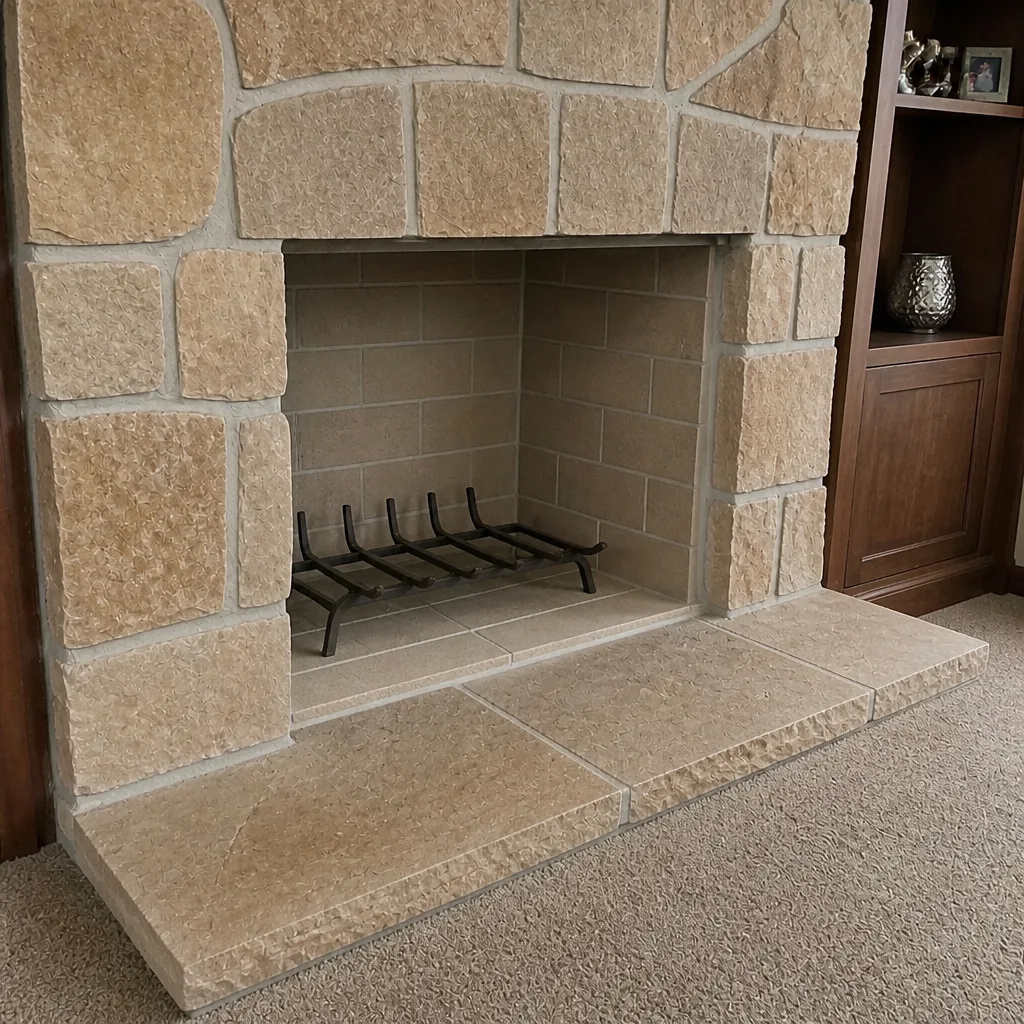
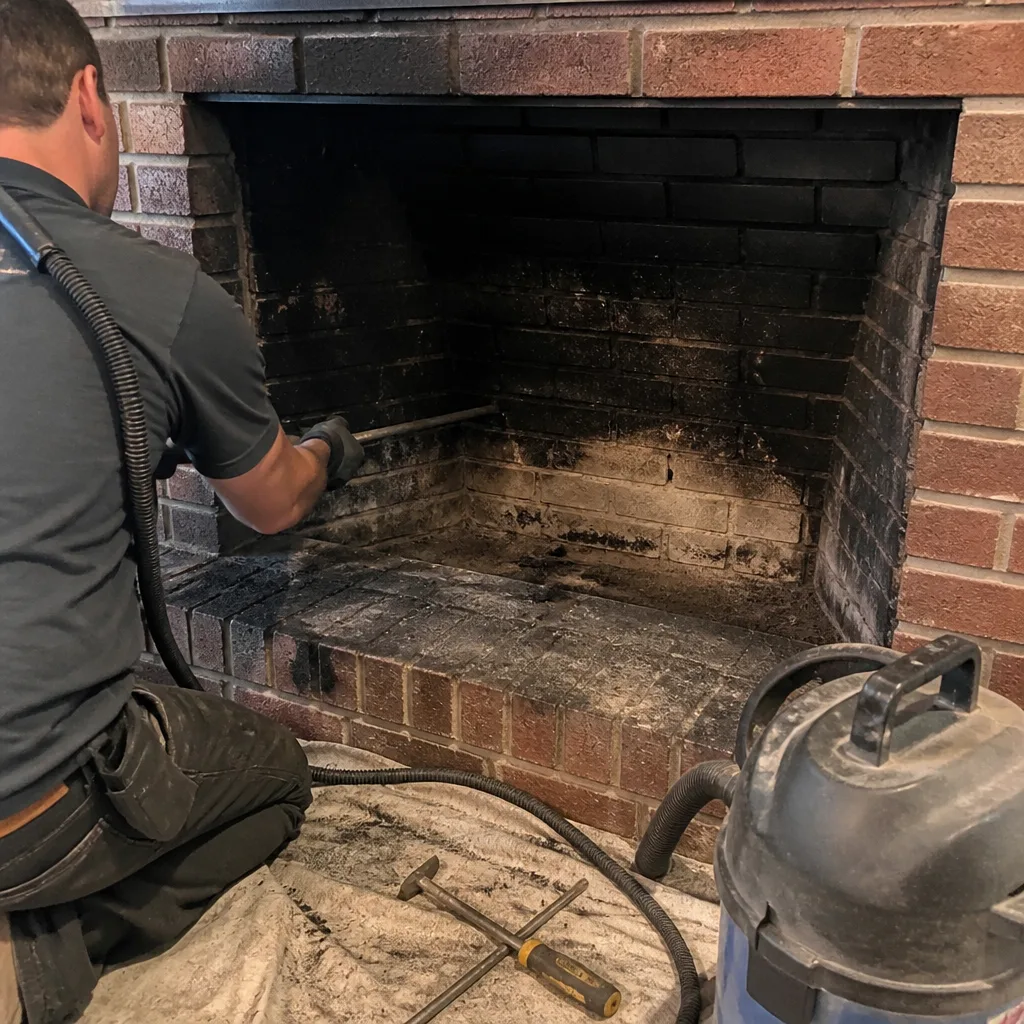
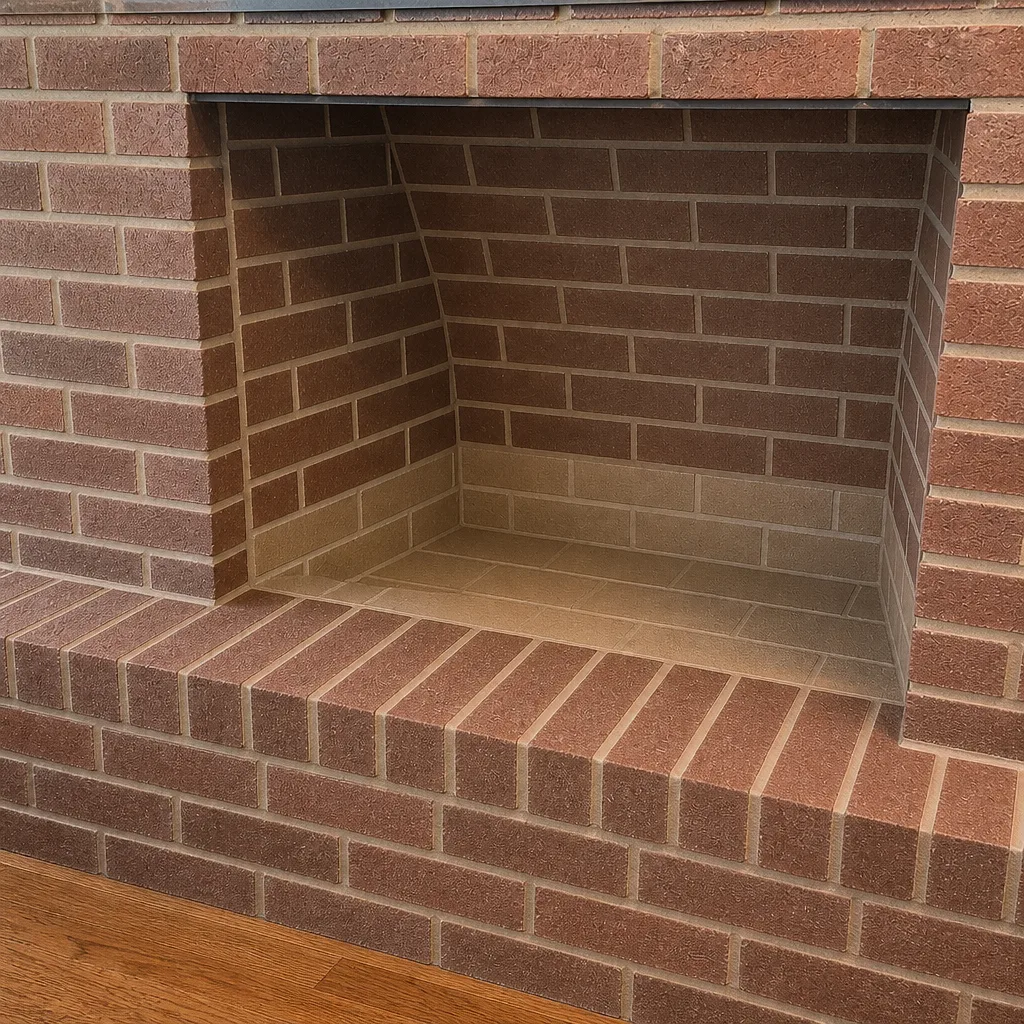
See the difference
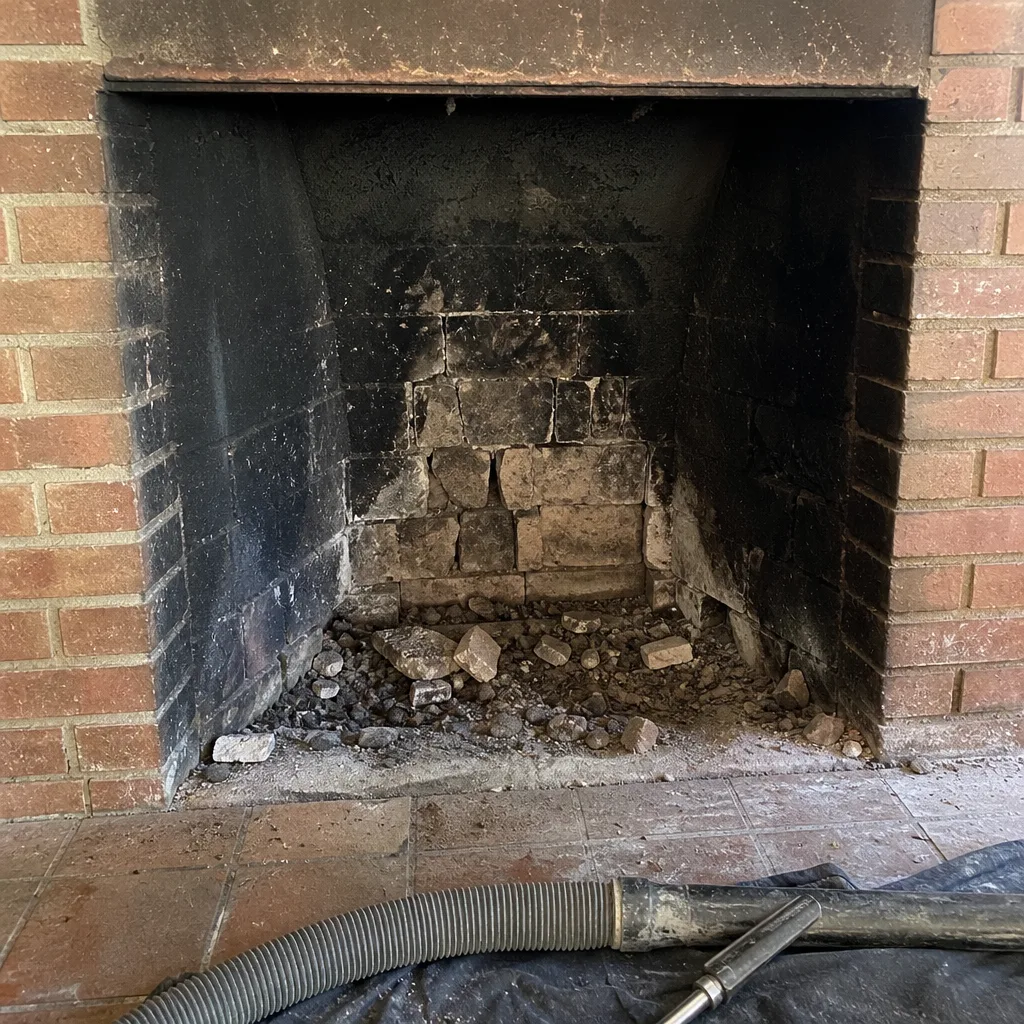 Before
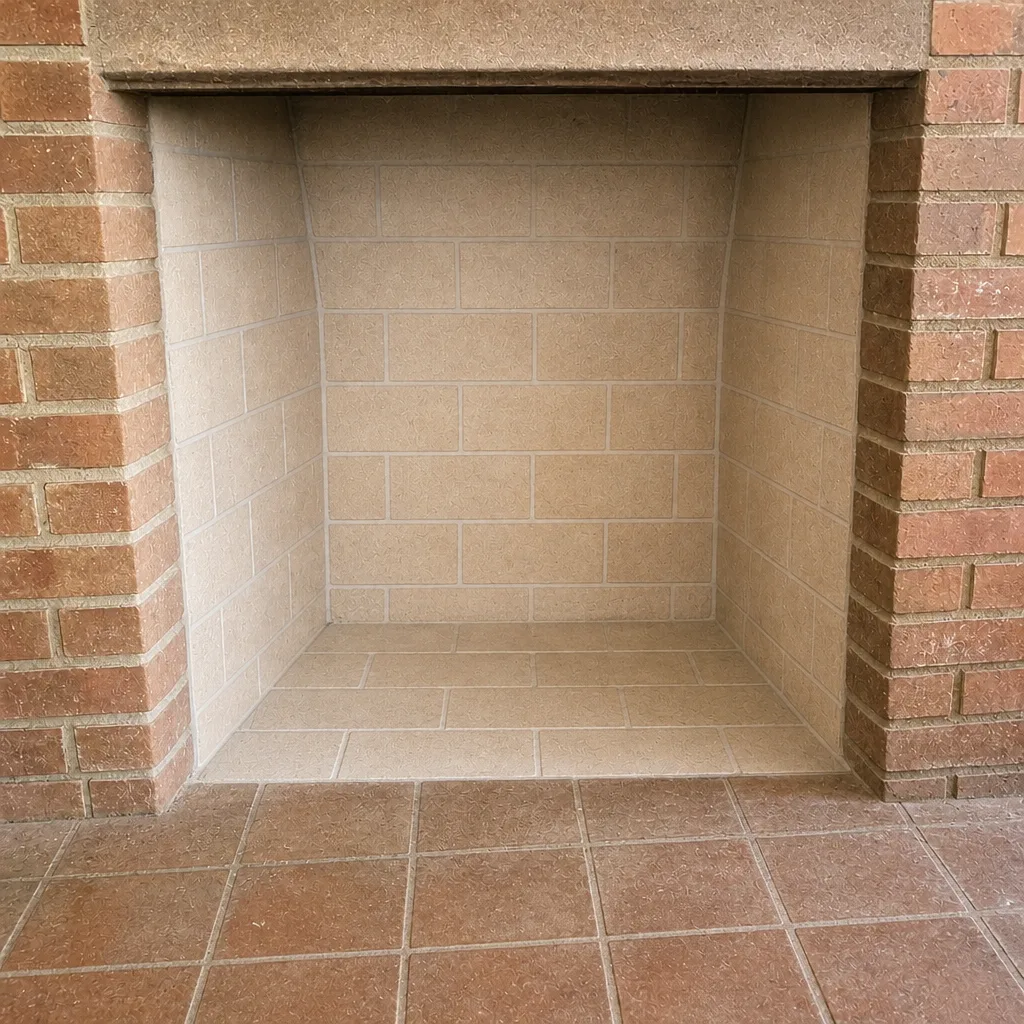 After
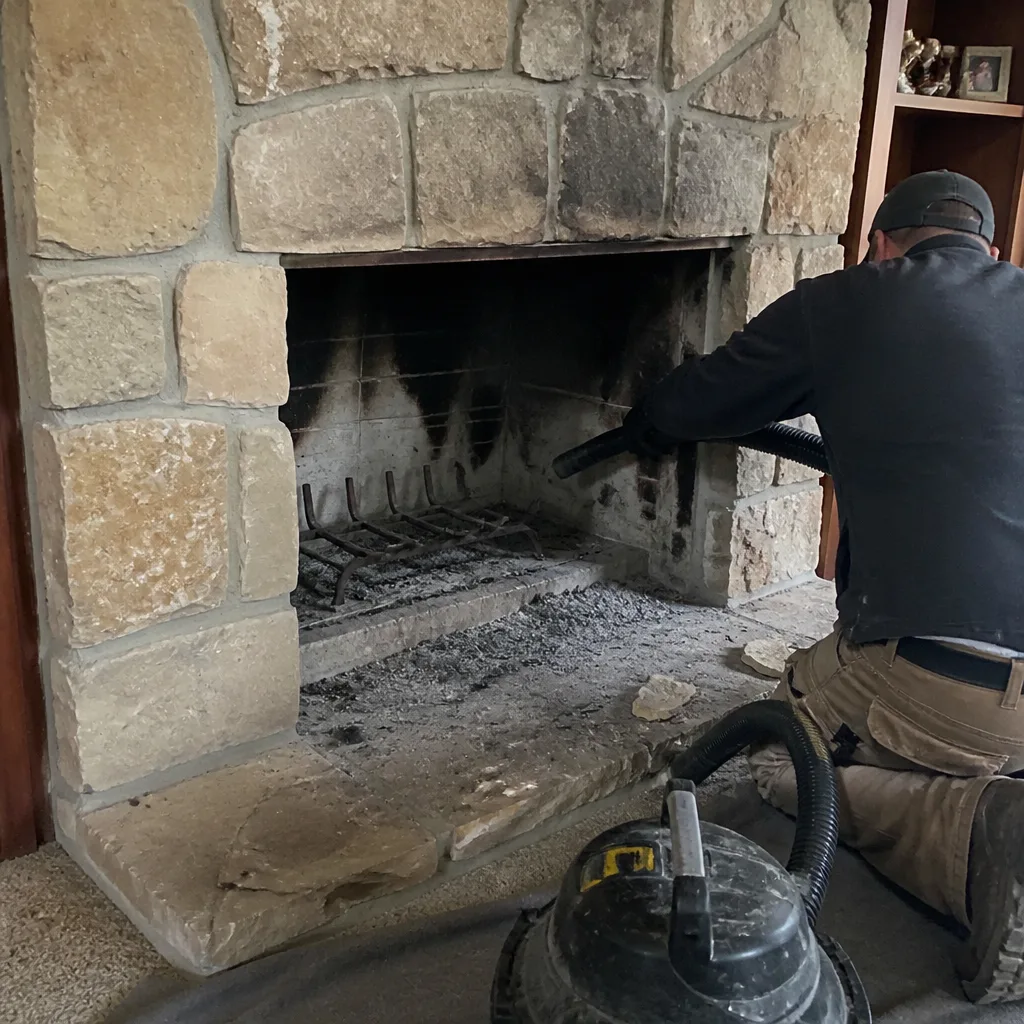 Before
 After
 Before
 After
When to Call a Professional
Call a professional in these situations, without trying to decide first: any visible stage 2 or glossy creosote; a chimney that has had a fire (even a small one); a change of appliance or fuel type; a persistent draft problem or smoke rolling into the room; a cracked crown, rusted cap, or cap screen with holes; a firebox with failing rear-wall mortar; and the first sweep in any new home. In each of these cases the DIY brush removes one layer but not the underlying finding, and you need the finding to make a safe call. A professional sweep with a camera scan is the standard here because it documents the flue, not just cleans it.
Chimney Sweep Hamilton Lakes offers free estimates in Hamilton Lakes. Call (855) 766-2824. We answer 24/7. Fast dispatch from 7am to 7pm, Sunday through Friday. Our technicians have up to 11 years of experience, and we handle sweeping, inspection, fireplace repair, chimney repair, and cap and crown work under one roof.
Frequently Asked Questions
A standard chimney sweep in Hamilton Lakes typically runs somewhere in the range you’d expect for the region, with the price set per job by written estimate after we’ve looked at the chimney. The written estimate sets the final price, and the estimate itself is free. Call (855) 766-2824 for an exact quote.
Only if you have a single-story straight flue, burn exclusively seasoned wood, were swept in the last 12 months, and can confirm no stage 2 creosote is present. If any of those is untrue, DIY brushing can redistribute or mask the problem instead of removing it. Call (855) 766-2824 for an exact quote on a professional sweep if you’re unsure.
Not always. If the existing clay tile is intact, a HeatShield liner restoration can often extend the life of the chimney without a full reline, and that’s worth checking before you assume the worst. The determination has to come from a camera scan, not from a guess, so the answer is only as good as the inspection. Call (855) 766-2824 for an exact quote.
Once a year for most homes that burn wood regularly, and more often if the burning season is heavy or the appliance is a newer insert with an older flue. The right cadence depends on what your flue actually accumulates, which is why the annual inspection matters as much as the sweep itself. Call (855) 766-2824 for an exact quote on scheduling.
Skipping a season doesn’t create a hazard by itself, but it removes the annual check that would catch a developing liner crack, a failing crown, or a stage 2 deposit before it hardens. If the last season’s burning was heavy or the wood was unseasoned, the next inspection is the one you don’t want to miss. Call (855) 766-2824 for an exact quote.
Yes, and the hybrid approach is reasonable if you have an inspection first and brush only after the findings come back clean. The sequencing matters: brushing before inspection hides the evidence, so book the inspection before the brush, not after. Call (855) 766-2824 for an exact quote on an inspection.
The Bottom Line
DIY chimney brushing is possible for a narrow set of homeowners: straight single-story flue, seasoned wood only, swept in the last 12 months, no stage 2 creosote, and willing to accept the tradeoff of no documentation and no professional eye on the flue. Everyone else gets more value from the sweep-and-inspect visit, because the inspection is the part that protects the house. In Hamilton Lakes, the shoulder-season draft makes creosote accumulation unpredictable, which is why we tie the visit to the season rather than to how many fires you’ve burned. If you’re on the fence, the free estimate is the cheapest way to resolve it. Call (855) 766-2824. We answer 24/7. Fast dispatch from 7am to 7pm, Sunday through Friday.
Written by the team at Chimney Sweep Hamilton Lakes.