
Last updated November 25, 2026
 Sweep & inspection
 Caps & crowns
 Flue relining
 Masonry repair
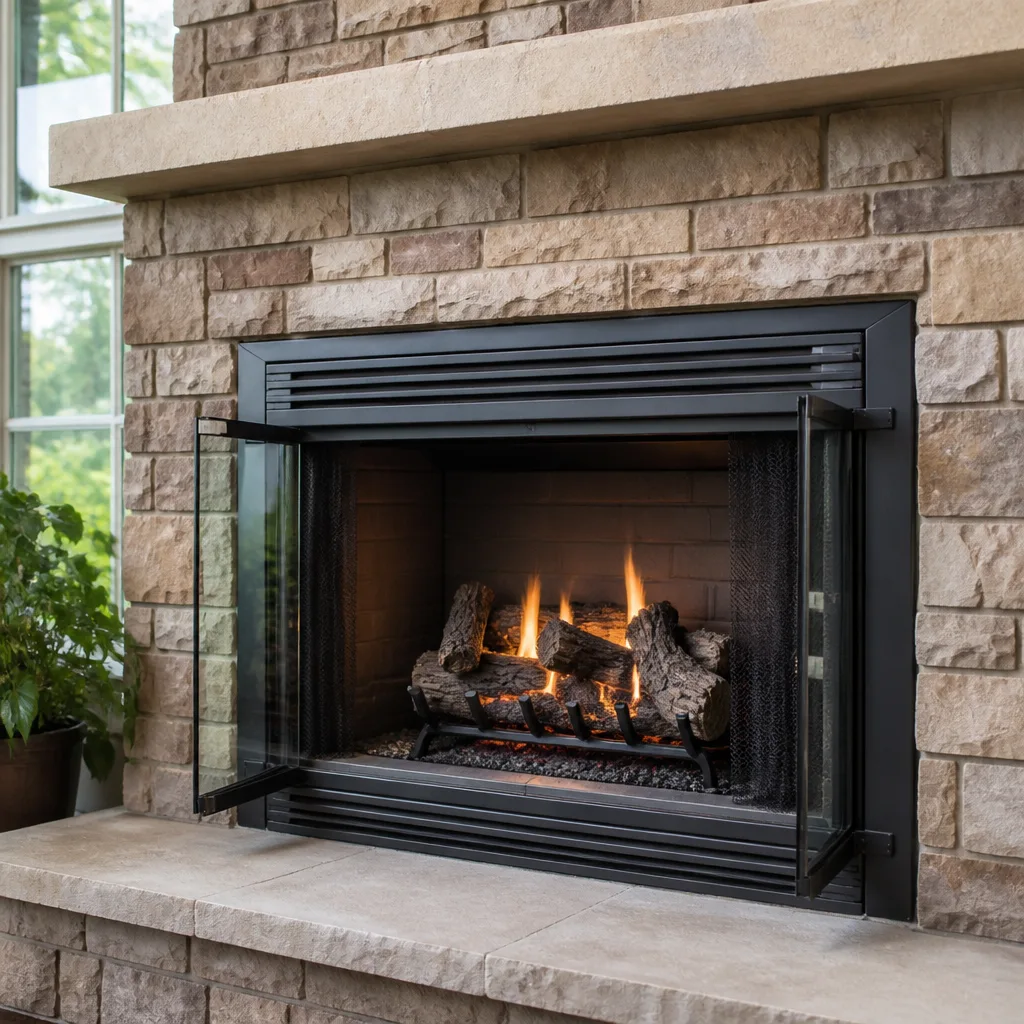 Gas fireplace service
Level 1 sweep and inspection to the NFPA 211 annual standard - flue, crown, cap, and flashing checked and photographed
Chimney sweep logs do not sweep chimneys. They loosen some creosote - which then falls where a brush and vacuum still have to collect it.
How to Hire a Chimney Cleaning Contractor in Hamilton Lakes: A Step-by-Step Guide
In North Carolina, anyone with a truck and a brush can legally call themselves a chimney sweep. There’s no statewide licensing board for chimney work, no exam to pass, no minimum equipment standard to meet. The CSIA certification that separates trained technicians from opportunists takes months of study and a proctored exam, and fewer than 30% of the people calling themselves sweeps in the Carolinas hold it. That’s the uncomfortable math behind hiring a chimney professional in Hamilton Lakes: the vetting is entirely on you. This guide walks through exactly what to verify, what to ask before you book, and which answers should end the conversation before anyone climbs on your roof.
Quick Answer
To hire a chimney cleaning contractor in Hamilton Lakes, verify CSIA or NFI certification, ask for a written inspection report and a scope of work before work begins, and confirm the company handles both sweeping and repair rather than subcontracting the structural work. Expect a quote that itemizes the sweep, the inspection level, and any recommended repairs with photographic evidence. If a quote is dramatically cheaper than others or pressures you into liner work without photos, walk away.
Styles & brands we work with
- Sweep & inspection
- Caps & crowns
- Flue relining
- Masonry repair
- Gas fireplace service
Table of Contents
- Why Credential Vetting Falls on You
- CSIA vs. NFI: Which Credential Matters When
- Five Questions to Ask Before Booking
- What a Legitimate Scope of Work Includes
- Red Flags in a Quote
- The Handyman Liability Gap
- Reading Your Written Inspection Report
- Common Mistakes to Avoid
Why Credential Vetting Falls on You
Most states don’t license chimney sweeps, and North Carolina is one of them. There’s no state exam, no continuing education requirement, no disciplinary board that can pull a bad actor’s credential. What exists instead is voluntary certification through trade organizations, and a general contractor license that only comes into play once a job crosses a value threshold or involves structural framing. For routine sweeping, almost none of that applies.
That vacuum means a homeowner in Hamilton Lakes has to do the vetting themselves. The upside is that the good signals are easy to spot once you know what they are. A CSIA-certified sweep will tell you their certification number without hesitation and can point you to the Chimney Safety Institute of America’s searchable directory. An uncertified operator will usually change the subject.
Two credentials matter in this trade, and they’re held by different types of technician:
- CSIA (Chimney Safety Institute of America) certifies chimney sweeps. It covers sweeping technique, inspection standards, venting fundamentals, and code knowledge. The exam is proctored and requires continuing education to maintain.
- NFI (National Fireplace Institute) certifies hearth professionals on gas, wood, and pellet appliance installation and service. It’s the relevant credential when you’re having a fireplace insert installed, a gas log set serviced, or a wood stove inspected.
For a routine chimney sweep in Hamilton Lakes, ask for CSIA. For anything involving the fireplace itself, ask whether the technician holds NFI certification in the appropriate fuel category.
CSIA vs. NFI: Which Credential Matters When
The two certifications cover overlapping ground but aren’t interchangeable, and which one you should ask about depends on the work.
ASK FOR CSIA WHEN:
- You’re booking a routine annual sweep
- You need a Level I, II, or III inspection
- You’re having a flue liner evaluated or relined
- You’re installing or replacing a chimney cap or repairing the crown
- You need to know whether your venting configuration is code-compliant
ASK FOR NFI WHEN:
- You’re having a wood, gas, or pellet appliance installed
- Your gas fireplace won’t light, keeps shutting off, or has visible sooting
- You want a wood insert fitted into an existing fireplace
- You need the appliance itself serviced or its venting re-evaluated
Most competent chimney companies in the Hamilton Lakes area have at least one CSIA-certified technician on staff. Fewer have NFI certifications across all three fuel categories. That’s a useful sorting question: a company that handles sweeping, inspection, fireplace repair, and chimney cap & crown work in-house usually has both, because the full range of work demands it. Our technicians have up to 11 years of experience across both disciplines, and we name the specific materials we install (DuraFlex for relining, HeatShield for flue resurfacing, Famco and Copperfield for venting and caps) because you should be able to verify them independently.
Five Questions to Ask Before Booking
The pre-booking conversation is where a real sweep separates from a coupon-mailer operation. Ask these five questions on the phone before anyone schedules a visit. The way they answer is as informative as the answer itself.
- “Are you CSIA-certified, and what’s your certification number?” A certified technician gives it without a pause. The directory at csia.org lets you verify it in under a minute.
- “What level of inspection do you perform, and does it come with a written report?” A routine sweep should include at least a Level I inspection (readily accessible portions of the chimney, no tools required beyond a flashlight and camera). If you’ve had a chimney fire, a liner replacement, or a change in fuel type, you need a Level II with a video camera. Any company that doesn’t produce a written report is giving you a verbal opinion, not a documented baseline.
- “What equipment do you use to inspect the flue liner?” The correct answer is a chimney camera on a flexible rod, capable of recording stills or video, and the technician should offer to show you the footage. “I’ll look up from the firebox with a flashlight” is not a flue liner inspection.
- “Do you do repairs in-house or subcontract them?” The honest answer matters less than the consistency. A company that sweeps in-house but subcontracts liner work creates a coordination gap: the sweep’s findings get translated by a second party who never saw your chimney.
- “What does your written scope of work look like before you start?” A legitimate company produces a document listing what will be cleaned, what won’t be accessible, how debris will be contained, and how cleanup will be handled. If the answer is vague, so is the work.
Ask these before you book, not after the technician shows up. A company that can’t answer them on the phone is unlikely to answer them convincingly on the roof.
What a Legitimate Scope of Work Includes
A scope of work is a one-page document that defines the job. It’s the difference between “we’ll sweep your chimney” and a written agreement about what actually happens on-site. In our experience, the absence of a scope document is one of the clearest tells that a company is flying by the seat of its pants.
A proper scope for a routine sweep in Hamilton Lakes should include:
- The exact service (sweep and Level I inspection, or sweep and Level II inspection with video)
- Which appliance or appliances are being serviced (wood fireplace, insert, gas appliance, wood stove)
- Which portions of the system are covered, and which aren’t accessible without further work
- The method of debris containment (drop cloths, HEPA vacuum with a chimney filter, sealed door cover)
- The cleanup commitment (what the crew will do before leaving, how soot on floors or hearth is handled)
- Whether an inspection report is included and in what format
- The written estimate for any work recommended as a result of the inspection, produced before a single repair is authorized
The containment detail matters more than people realize. A chimney sweep working without a sealed vacuum system and drop cloths will leave fine soot on surfaces you didn’t know could hold it. Ask directly what equipment will be used to keep the interior of your house clean.
On the exterior side, a scope should also note whether the technician will inspect the crown, cap, flashing, and visible masonry from the roof or ground. That’s where you learn whether you need cap work or a crown repair before it becomes a rebuild.
Red Flags in a Quote
The most common chimney scam in North Carolina and nationwide is a cheap sweep that turns into an expensive, unfounded liner quote. The pattern is consistent enough that we see it repeatedly across Hamilton Lakes and the surrounding neighborhoods. Here’s what to watch for.
- An unusually low price for a sweep often means the scope is limited to the firebox and the bottom of the flue, with no inspection component. A cheap price is not the same as a cheap job, and it’s rarely a thorough one.
- Any recommendation for liner work without photographic or video evidence is a red flag. You should see the footage yourself, in your home, before you agree to anything.
- Pressure to decide on the spot. Real repair needs don’t expire in an hour. A technician who wants a same-visit authorization for thousands of dollars in liner work is rushing you for a reason.
- A quote that won’t itemize. “Liner replacement: $X,XXX” with no breakdown of materials, labor, and any associated crown or cap work isn’t a quote, it’s a number.
- No named materials. A legitimate company names the products being installed. DuraFlex for flexible stainless relining, HeatShield for flue resurfacing, Famco or Copperfield for venting and caps. “We use high-quality materials” is a dodge.
- No written report after the visit. If you don’t leave the appointment with a document describing what was found, you have no baseline for next year.
The reverse is also true: a company that tells you your chimney is in fine shape and doesn’t recommend anything, and says so in writing, is worth keeping.
The Handyman Liability Gap
“I do chimneys too” is one of the most common things a Hamilton Lakes homeowner hears from a general handyman who’s already working on their house. The temptation is real: the handyman is already on-site, the price sounds reasonable, no scheduling hassle. The problem is what happens when the sweep turns up a problem.
Chimney work rides on three separate knowledge bases that don’t come with a general contractor’s card:
- Venting and draft. An appliance’s safe operation depends on the flue being sized, configured, and connected correctly. A handyman trained to install drywall and hang doors isn’t trained on venting physics.
- Structural masonry. Crowns, shoulders, and flue liners have specific requirements. Repointing or rebuilding crown shoulders without understanding thermal expansion and water shedding accelerates the failure rather than fixing it.
- Fire and CO risk. The consequences of a blocked or damaged flue are carbon monoxide exposure and chimney fire. These don’t have DIY-friendly failure modes.
When a handyman finds structural damage, they typically have two options: overstate the job and quote work they aren’t qualified to perform, or understate it and leave you with a known problem. Neither is a good outcome.
The alternative is a specialist who can inspect, diagnose, and repair without a handoff. When we find a cracked crown, we quote the crown repair; when we find a deteriorated flue liner that’s a candidate for HeatShield resurfacing rather than full replacement, we quote the HeatShield restoration. The point isn’t that we do everything. It’s that the inspection and the repair are done by the same company that explains both to you before you authorize either.
Reading Your Written Inspection Report
The written inspection report is the deliverable that most homeowners undervalue. It’s the only durable record of what your chimney looked like on a specific date, and it should be a document you can pull out in future years to see whether things have changed.
A good report for a Hamilton Lakes chimney, at minimum, includes:
- The inspection level (I, II, or III) and the standard it’s built to (NFPA 211)
- The type of system (masonry with clay tile liner, factory-built, or other), with the appliance identified
- The visible condition of the flue liner, described from the camera footage
- The condition of the firebox, damper, smoke chamber, and throat
- Exterior findings: crown condition, cap presence and fit, flashing, and visible masonry
- Photos or video stills supporting any finding that led to a recommended repair
- The technician’s certification and a signature on the document
Read the report before the technician leaves, not a week later. Ask questions about anything unclear. The report should be legible to a homeowner without a certification. If you need a translator, something is wrong.
Keep the report filed somewhere you’ll find it next year. Annual comparisons are how early-stage problems get caught before they become urgent. Most chimney damage we see in the Hamilton Lakes area follows the same sequence: water intrusion at the crown or flashing, masonry softening over seasons, and liner deterioration that’s caught too late. A written report from year to year tracks that sequence.
Common Mistakes to Avoid
- Booking on price alone. Picking the lowest quote on a mailer or a home-improvement app often buys you a scope-limited sweep with no inspection component. That’s fine if you just want the flue brushed, but you won’t know what shape the liner is in until something fails.
- Skipping the sweeps during an off year. Even if you only burn fires in January and February, soot and creosote accumulate. Creosote is what burns during a chimney fire, and it builds regardless of how many fires you lit last season. Annual sweeps remain the standard, even for seasonal users.
- Authorizing liner work without looking at the footage. Watch the camera video before you agree. Ask to see it on the technician’s screen. A legitimate contractor is never reluctant to show you what they found.
- Letting the “I’ll do it cheaper” neighbor touch the crown. A crown is a structural element designed to shed water. Improper repair accelerates the same damage it was meant to prevent, and the cost of fixing it correctly later is higher than doing it right the first time.
- Ignoring the cap. A missing or undersized cap is one of the most common issues we see on Hamilton Lakes homes, and it’s the single easiest line of defense against rain, birds, and downdrafts. Cap work now is not the same line item as a rebuild later.
- Treating the inspection report as optional. If a company won’t put their findings in writing with photos, they’ve given you an opinion, not a record. The written report is what makes next year’s visit a comparison instead of a fresh start.
- Believing the “certified” claim without verifying. Several national directories let you search a company name against a certification in seconds. Skip that step once and you may find out the hard way that “certified” meant “trained by us on our own methods.”
See the difference
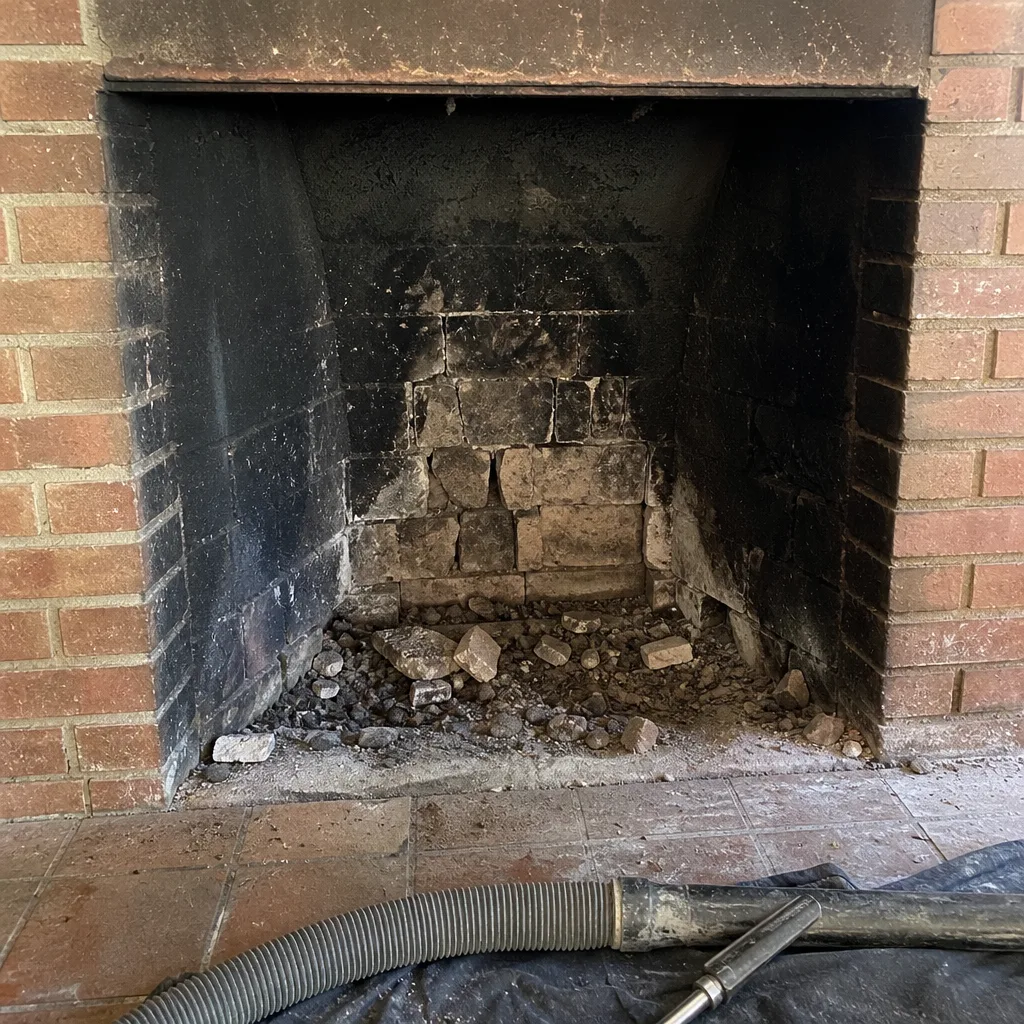 Before
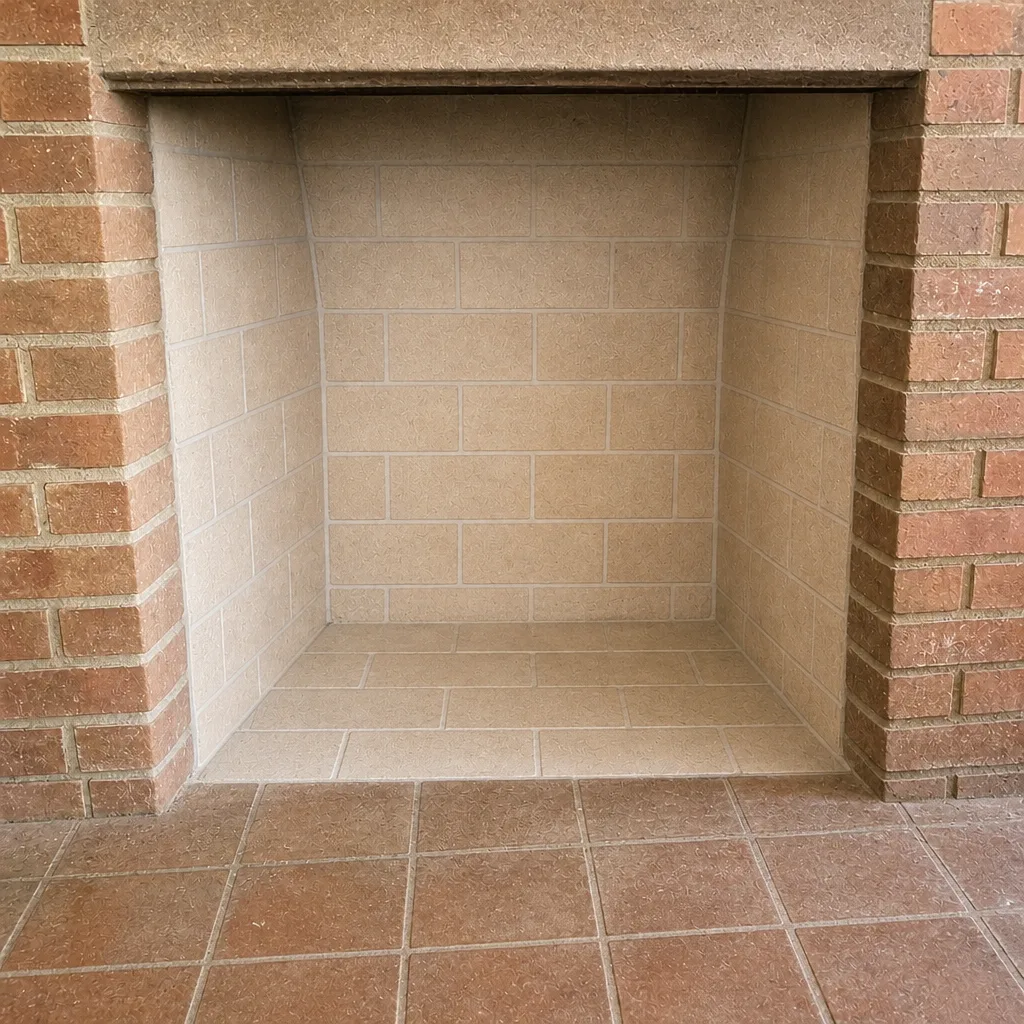 After
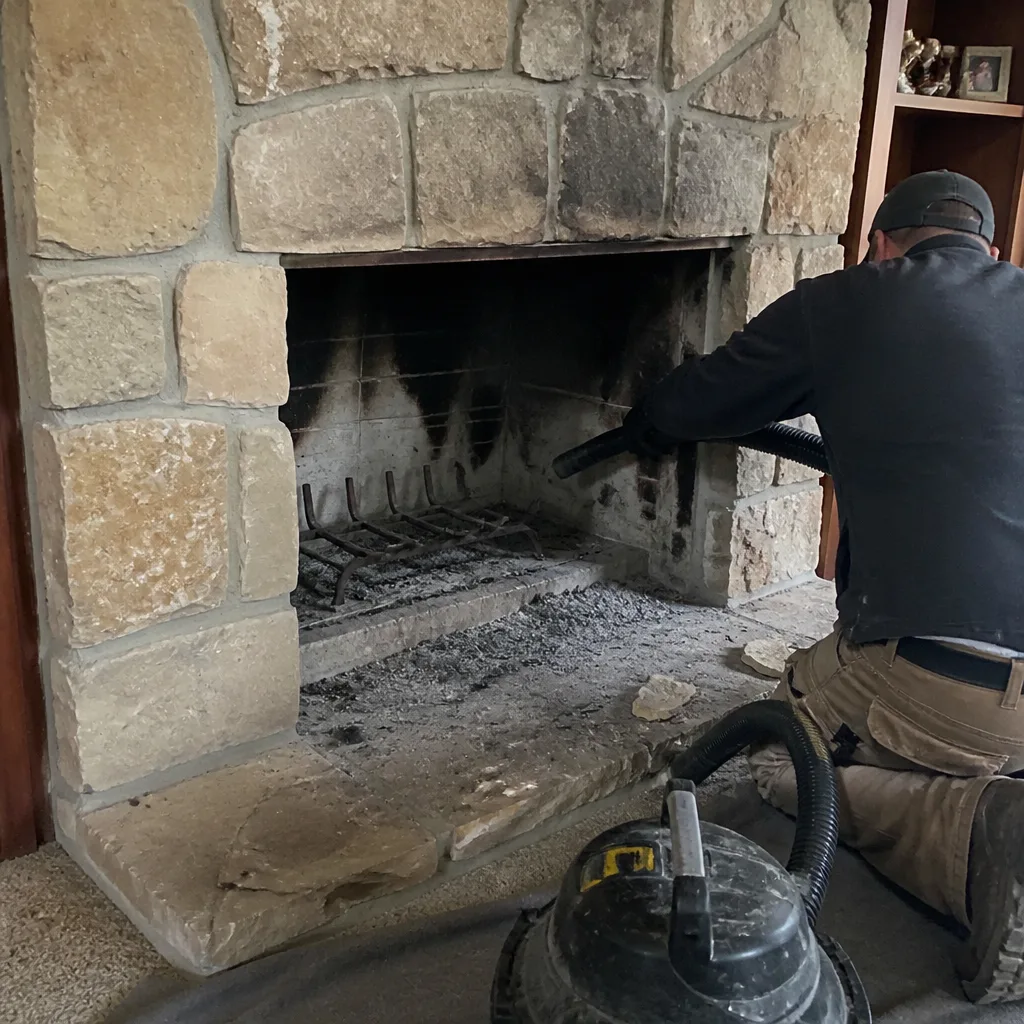 Before
 After
 Before
 After
When to Call a Professional
Some chimney problems can wait for the next scheduled sweep. Others can’t, and it’s worth knowing which is which before something in your fireplace forces the decision.
Call a professional if you notice any of the following: a strong smoky odor in the room when the fireplace isn’t in use (a sign of a blocked flue or downdraft); visible soot on the firebox or mantel exterior; creosote flakes on the roof or in the firebox; a damper that no longer opens freely; a cap that’s missing, dislodged, or crushed; water stains or rust streaks inside the chimney or on the ceiling near the flue; or a chimney fire you think happened but didn’t report. Even a “small” chimney fire can crack clay tiles; only a Level II inspection will find the damage.
If you’ve recently bought a Hamilton Lakes home and don’t have a documented inspection history, book a Level II with video before the next burning season. The report gives you a baseline, and any issues turn up while there’s still time to schedule the repair on your terms rather than as an emergency.
Chimney Sweep Hamilton Lakes offers free estimates in Hamilton Lakes. Call (855) 766-2824. We answer 24/7. Fast dispatch from 7am to 7pm, Sunday through Friday. Every visit starts with a camera inspection and a written report you can keep, and nothing is recommended without evidence you can see for yourself.
Frequently Asked Questions
Go to the Chimney Safety Institute of America’s website and use its searchable directory to look up the company by name or the technician by certification number. A legitimate certified company gives you the number on request without hesitation. The check takes under a minute and is the single most reliable credential verification available, since North Carolina doesn’t license chimney sweeps at the state level.
Level I is the standard for a routine annual sweep on a chimney with no known problems, no changes to the system, and no chimney fire since the last inspection. Level II is required when there’s been a chimney fire, a liner replacement, a change in fuel type or appliance, a new home purchase without an inspection history, or any suspected structural issue. Level II includes video camera inspection of the flue.
A sweep cleans the flue, firebox, and smoke chamber. An inspection documents the condition of those components and any associated structure, and it’s usually folded into a sweep visit as part of a single appointment. If a company quotes you a “sweep” with no inspection component and no written report, the scope is cleaning only and you won’t know the condition of the system. Ask specifically whether a written inspection report is included.
In North Carolina, yes, legally they can, which is exactly the problem. Chimney work has no licensing barrier for the sweep itself, and a handyman operating without CSIA certification isn’t violating any state rule. The risk shows up when the sweep turns up structural damage: a handyman isn’t trained on venting physics, flue liner materials, or crown and flashing repair, and will often either overstate a repair need or understate a real one. Ask for CSIA certification before booking, regardless of who’s offering.
Stop using the fireplace immediately and book a Level II inspection with video. Chimney fires can damage the flue liner in ways that aren’t visible from the firebox, including cracked clay tiles and warped metal liners. The inspection will determine whether the liner is intact or needs relining. HeatShield resurfacing is sometimes an option when the liner is deteriorated but not fully failed, which is one of the reasons a properly documented inspection matters before you commit to a full relining cost.
Ask to see the camera footage, on the technician’s screen, while they’re in your home. Any legitimate finding can be shown to you, and any legitimate company will show it without being asked. If a recommendation is made without photographic or video evidence, don’t authorize the work. The written inspection report should contain stills or clips of the specific damage, and the quote should name the materials being used. Our HeatShield, DuraFlex, Famco, and Copperfield quotes all specify the product because the material is part of the answer.
The Bottom Line
Hiring a chimney cleaning contractor in Hamilton Lakes comes down to verification. Because North Carolina doesn’t license sweeps, the CSIA directory is your vetting tool, and the pre-booking phone call is where you use it. Five questions, five answers, and a written scope of work before anyone climbs on the roof gets you most of the way there. Add the written inspection report with photographic evidence, a quote that names the materials being installed, and a company that can inspect and repair without a handoff, and you’ve eliminated nearly every pitfall this trade is known for. The chimney is a simple system with serious failure modes. The right contractor treats it that way.
If you’d rather skip the vetting and start with a specialist, we’re glad to talk. Chimney Sweep Hamilton Lakes handles sweeps, inspections, fireplace repair, chimney repair, and cap and crown work under one roof. Call (855) 766-2824 for a free estimate. We answer 24/7. Fast dispatch from 7am to 7pm, Sunday through Friday.
Written by the team at Chimney Sweep Hamilton Lakes.